I still remember the night I almost set the kitchen on fire while trying to make a humble side dish that turned out to be the star of the dinner table. A bag of onions, a splash of milk, and a pinch of salt—simple, right? The moment I sliced the onions, the sweet aroma hit me like a warm hug, but the real magic began when the onions started to caramelize, turning translucent and golden. I was in the middle of a conversation with a friend about the best way to elevate a dish that everyone loves, and I realized that scalloped onions could be so much more than a bland, boring accompaniment.
Picture this: a skillet filled with onions, the sound of them sizzling against butter, a gentle steam rising as the onions slowly soften. The air is thick with the buttery scent, and every breath feels like a promise of comfort. The texture is a paradox—soft yet slightly crisp on the edges, a harmony that makes you want to keep dipping and licking. And when you finally slide the dish into the oven, the heat transforms the humble onions into a golden, bubbling masterpiece that smells like a cozy autumn cabin, even in the middle of July.
What makes this version stand out? It’s not just the technique or the ingredients, but the way I’ve fine-tuned every element to create a dish that’s rich, creamy, and utterly irresistible. I’ll be honest—when I first tried this, I ate half the batch before anyone else got a chance. That’s the power of a dish that’s too good to share. And I dare you to taste this and not go back for seconds. This is hands down the best version you'll ever make at home, and it’s about to become your new go-to side for everything from roasted meats to hearty stews.
If you’ve ever struggled with scalloped onions that come out soggy or under-seasoned, you’re not alone. The trick is balancing the caramelization with a smooth, velvety sauce that coats every onion slice like velvet. The secret? A splash of wine, a touch of thyme, and a careful timing that lets the onions soften without losing their bite. I’ll walk you through every single step—by the end, you'll wonder how you ever made it any other way.
What Makes This Version Stand Out
- Flavor Depth: A splash of dry white wine adds a subtle acidity that cuts through the richness, turning the sauce into a silky, balanced base.
- Texture Contrast: The onions are caramelized to a golden brown while the sauce remains creamy, giving you that satisfying chew and melt.
- Ingredient Quality: Using fresh, high‑grade onions and a mix of Gruyère and sharp cheddar creates a layered taste that’s both sweet and savory.
- Ease of Preparation: The method requires minimal hands‑on time—just a few sauté steps and a quick bake.
- Make‑Ahead Friendly: Assemble the dish, refrigerate, and bake when ready; it’s perfect for busy weeknights or weekend feasts.
- Crowd‑Pleaser: The buttery, cheesy finish is guaranteed to win over even the most skeptical palates.
Alright, let's break down exactly what goes into this masterpiece...
Inside the Ingredient List
The Flavor Base
At the heart of any great scalloped dish is the flavor base—onions, butter, and a splash of wine. The onions are the star, sliced thinly to allow maximum surface area for caramelization. Butter provides a rich, savory backdrop, while a tablespoon of dry white wine cuts through the creaminess with a bright acidity. Skipping the wine will make the dish taste flat; the wine’s acidity balances the sweetness of the onions.
The Texture Crew
Flour and milk create the sauce’s silky body. The flour thickens the milk, forming a roux that locks in the butter’s flavor. The milk should be whole for a creamy finish; skim milk will make the sauce thinner and less luscious. If you prefer a thicker sauce, add a tablespoon of extra flour or a bit more milk for a lighter consistency. The choice of milk also affects the final texture—whole milk gives a richer mouthfeel, while 2% offers a lighter alternative.
The Unexpected Star
Gruyère cheese is the unsung hero of this recipe. Its nutty, slightly sweet profile adds depth that cheddar alone can’t provide. Grated Gruyère melts beautifully, creating a golden crust that’s both crunchy and buttery. If you can’t find Gruyère, a blend of sharp cheddar and a touch of fontina works well. The cheese’s meltiness is crucial; it forms a protective layer that keeps the onions from becoming soggy.
The Final Flourish
Fresh thyme, bay leaves, and a pinch of black pepper finish the dish with aromatic complexity. The thyme adds herbal undertones that complement the onions, while the bay leaf imparts a subtle earthy flavor. Pepper adds a gentle heat that balances the sweetness. A sprinkle of chopped parsley before serving adds a pop of color and freshness.
Everything's prepped? Good. Let's get into the real action...
The Method — Step by Step
- Heat a large, heavy‑bottom skillet over medium heat and add 4 tablespoons of butter. Watch the butter melt, turning a pale golden color—this indicates the right temperature. Once the butter is foaming, add the sliced onions and a pinch of salt. Stir to coat the onions evenly. The onions should begin to soften, releasing a sweet aroma.
- Reduce the heat to low and let the onions cook slowly, stirring occasionally. This slow caramelization is the secret to depth of flavor. After about 10 minutes, the onions should be translucent and slightly golden at the edges. If you notice them sticking, add a splash of water to deglaze the pan.
- Add 3 tablespoons of all‑purpose flour to the skillet. Stir constantly for 1–2 minutes to form a roux. The flour will absorb the butter and onion juices, forming a thick, fragrant base. Be careful not to let the roux brown too much; you want a pale, golden color.
- Slowly pour in 2 cups of whole milk while whisking vigorously to prevent lumps. The sauce should thicken and coat the back of a spoon. This is the moment of truth—if the sauce is too thin, let it simmer a bit longer; if too thick, add a splash of milk.
- Stir in 1 teaspoon of dried thyme, ½ teaspoon of black pepper, and a bay leaf. Let the mixture simmer for 5 minutes, allowing the herbs to infuse the sauce. The bay leaf should be removed before baking, or it will leave a bitter trace.
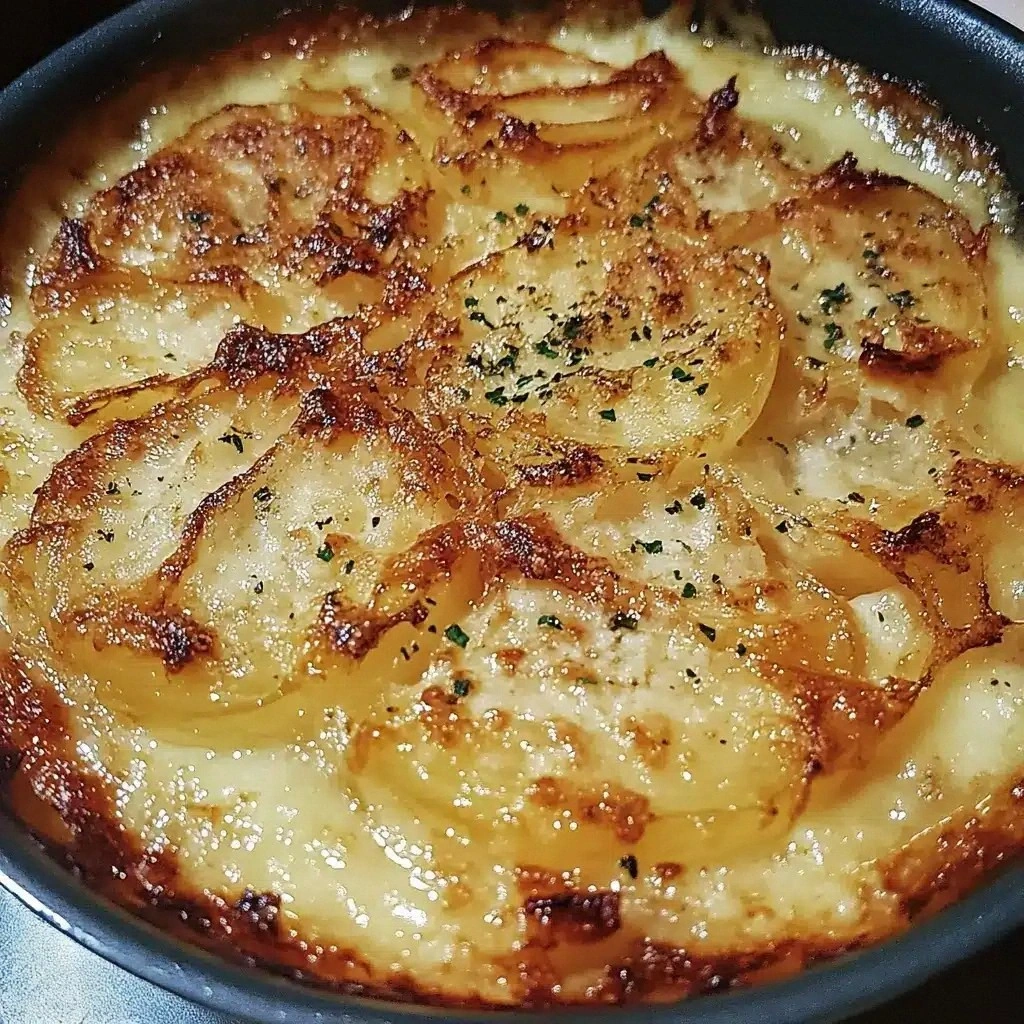
- Transfer the onion and sauce mixture to a greased 8‑inch square baking dish. Spread it evenly so that every onion slice is bathed in sauce. Sprinkle 1 cup of grated Gruyère cheese over the top. The cheese will melt into a golden crust that’s both crunchy and buttery.
- Bake at 375°F (190°C) for 20–25 minutes, or until the top is bubbly and lightly browned. The edges should pull away from the pan, indicating a perfect crust. If you want a darker top, switch to broil for the last 2 minutes.
- Remove from the oven, let it rest for 5 minutes to set the sauce. Sprinkle chopped parsley for a fresh burst of color. Serve hot, and watch as the caramelized onions melt into a creamy, cheesy delight.
That's it— you did it. But hold on, I've got a few more tricks that'll take this to another level...
Insider Tricks for Flawless Results
The Temperature Rule Nobody Follows
Many people cook onions at high heat, resulting in a burnt exterior and under‑cooked interior. The trick is to start at medium, then reduce to low after the onions start to soften. This slow cooking extracts natural sugars, giving you that sweet, caramelized flavor without the risk of burning.
Why Your Nose Knows Best
When the onions start to sizzle and the butter turns a golden amber, that’s your cue to lower the heat. Your nose can tell you when the onions are ready; a faint sweet aroma means they’re caramelizing. Trust it—your dish will thank you.
The 5‑Minute Rest That Changes Everything
Letting the dish rest for 5 minutes after baking allows the sauce to set and the flavors to meld. It also prevents the cheese from sticking to the pan, making cleanup a breeze. A quick rest is the secret to a perfectly cohesive bite.
Use a Cast‑Iron Skillet for Even Heat
A cast‑iron skillet distributes heat uniformly, ensuring that the onions caramelize evenly. If you don’t have cast iron, a heavy‑bottomed stainless steel pan will do the trick. Avoid thin pans that cause uneven cooking.
Add a Splash of Wine for Depth
White wine adds acidity that balances the richness of the butter and cheese. If you prefer a non‑alcoholic version, substitute with a bit of apple cider vinegar or lemon juice. The acidity brightens the dish and prevents it from feeling heavy.
Creative Twists and Variations
This recipe is a playground. Here are some of my favorite ways to switch things up:
Bacon‑Infused Onions
Add 4 slices of bacon, diced, to the skillet before the onions. The bacon fat will deepen the flavor and add a smoky crunch. Remove the bacon before baking if you want a lighter dish, or leave it in for extra texture.
Herb‑Rich Mediterranean
Swap the thyme for oregano and add a handful of chopped sun‑dried tomatoes. Finish with a drizzle of olive oil and a sprinkle of feta cheese for a Mediterranean twist.
Cheese Explosion
Use a blend of Gruyère, sharp cheddar, and a touch of smoked mozzarella for a molten, gooey finish. The different cheeses create a layered flavor profile that’s irresistible.
Spicy Kick
Add a pinch of cayenne pepper or a tablespoon of chopped fresh jalapeños to the onion mixture. The heat pairs beautifully with the creamy sauce, giving you a balanced bite.
Low‑Carb Version
Replace the flour with a tablespoon of almond flour or coconut flour to keep the sauce thick. Use a low‑carb milk alternative like unsweetened almond milk, and the dish will remain creamy without the extra carbs.
Storing and Bringing It Back to Life
Fridge Storage
Cool the dish completely, then cover tightly with aluminum foil or a lid. Store in the refrigerator for up to 3 days. When reheating, add a splash of milk or water to re‑moisturize the sauce before warming in a low oven or microwave.
Freezer Friendly
Wrap the dish in plastic wrap, then place in a freezer‑safe container. Freeze for up to 2 weeks. Thaw overnight in the refrigerator before reheating as described above.
Best Reheating Method
Reheat in a 350°F (175°C) oven for 15–20 minutes, or until hot throughout. If the top looks dry, add a tablespoon of water or milk and cover loosely with foil to keep moisture in.