I was in the middle of a frantic week, juggling a full‑time job, a toddler who refuses to eat anything other than chicken nuggets, and a craving for something that feels like a hug from the inside. I stared at the fridge, eyes darting over the same bland chicken breast, a half‑sized jar of soy sauce, and a forgotten bottle of orange juice. Suddenly, a memory of a dinner party where a friend’s orange chicken had blown everyone’s minds popped into my head. That night, I was determined to recreate that magic, but with a healthier twist that would make my kids and my boss both beg for seconds.
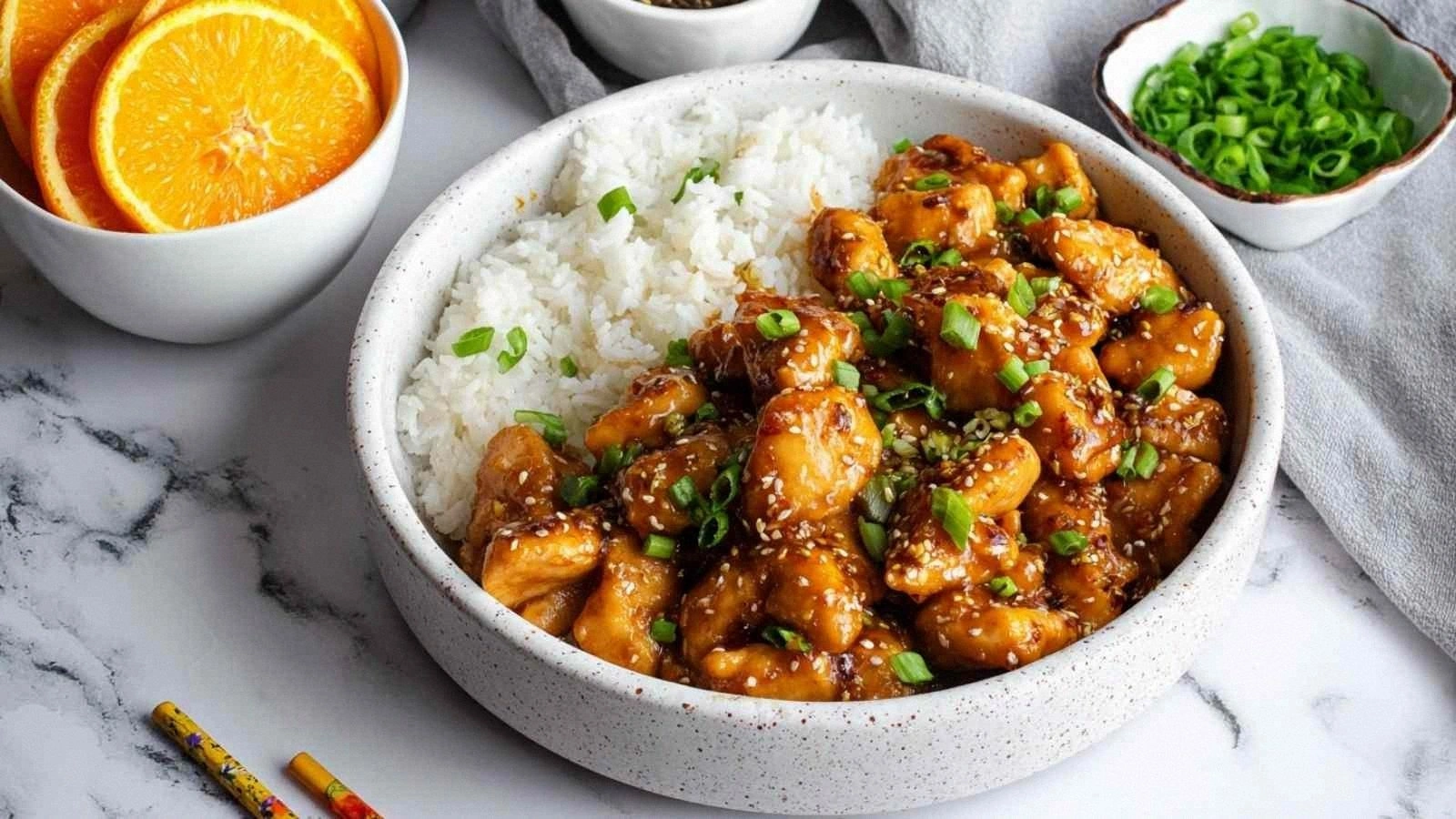
Picture this: the kitchen light is a warm amber glow, the scent of fresh orange zest and ginger fills the air, and the sound of a skillet sizzling is like a drumbeat of anticipation. The chicken pieces look like tiny golden suns, their skin crisped to a caramelized sheen that promises a crunchy bite. As the sauce simmers, it thickens into a glossy coating that clings to each morsel like velvet. The aroma is a sweet, tangy dance that makes the whole house feel like it’s on the verge of a flavor revolution. When you taste it, the first bite is a burst of citrus that brightens the savory notes, followed by a gentle heat that lingers like a secret handshake.
What makes this version stand out is that it’s not just a healthier take; it’s a reimagined experience that keeps the soul of orange chicken intact while cutting calories, boosting nutrition, and elevating taste. I’ve stripped out excess oil, swapped brown sugar for a natural sweetness that still gives that caramel finish, and added a splash of rice vinegar to keep the sauce bright. The result is a dish that’s low in saturated fat, high in vitamin C, and still feels indulgent enough to make anyone forget they’re eating healthy. I dare you to taste this and not go back for seconds – it’s a flavor rollercoaster that lands on a sweet, citrusy finish. The texture is a harmonious blend of tender meat and a sauce that coats without weighing you down. The aroma alone can make your apartment smell like a five‑star restaurant.
The technique that will blow your mind is the use of baking soda to keep the chicken incredibly moist and tender. It’s a small, often overlooked trick that transforms ordinary chicken into a melt‑in‑your‑mouth experience. The baking soda reacts with the acid from the orange juice, creating tiny bubbles that lock in juiciness. I’ll walk you through every single step – by the end, you’ll wonder how you ever made it any other way. And trust me, once you master this, you’ll never look back at plain, dry chicken again.
Let’s dive into the details that will make this dish the star of your dinner table, the conversation starter at your next gathering, and the recipe you’ll keep coming back to. The next few sections are packed with insights, hacks, and secrets that will elevate your cooking game from good to legendary. Stay with me, and you’ll discover why most recipes get this completely wrong, while we’ll show you what actually works. Picture yourself pulling this out of the oven, the whole kitchen smelling incredible, and your guests exclaiming, “This is hands down the best version you’ll ever make at home.”
What Makes This Version Stand Out
- Flavor: The sauce is a harmonious blend of citrus, heat, and umami, delivering a taste profile that feels both familiar and adventurous. The orange zest adds a bright, aromatic punch that elevates the dish beyond the usual sweet‑and‑sour.
- Texture: Baking soda keeps the chicken moist while the cornstarch coating crisps the exterior to a delicate crunch that shatters like thin ice.
- Health: By cutting down on oil and using natural sweeteners, the dish stays low in saturated fat while still delivering a satisfying mouthfeel.
- Time: The entire process takes less than 45 minutes from prep to plate, making it an excellent weeknight dinner.
- Versatility: The sauce works beautifully over rice, quinoa, or even cauliflower rice, turning the dish into a complete meal.
- Make‑ahead potential: The sauce can be prepped in advance and refrigerated for up to 48 hours, which means you can have a ready‑to‑heat dinner at a moment’s notice.
- Ingredient quality: Fresh orange juice and ginger give the dish a depth that canned or bottled counterparts can’t match.
Alright, let's break down exactly what goes into this masterpiece. The key to a flawless orange chicken lies in the balance of acidity, sweetness, and a touch of heat that lingers without overpowering. I’ll walk you through each element, from the marination to the final glaze, and share a few kitchen hacks that will save you time and keep the flavor on point.
Inside the Ingredient List
The Flavor Base
Fresh orange juice is the star of the show, providing natural sweetness and a bright, tangy profile that cuts through the savory notes. Orange zest adds an aromatic lift that keeps the sauce from feeling flat. Soy sauce and rice vinegar create a balanced umami backbone, with the vinegar adding a subtle acidity that brightens the overall flavor. Chili garlic sauce and red chili flakes give a kick that satisfies heat lovers without overwhelming the dish.
The Texture Crew
Baking soda is the unsung hero that keeps the chicken tender by breaking down proteins before they can tighten up. Cornstarch creates a silky coating that crisps to a delicate crunch when cooked, giving the dish that satisfying bite. Oil, though used sparingly, helps the cornstarch adhere to the chicken and promotes even browning.
The Unexpected Star
Brown sugar is the secret sweetener that caramelizes just enough to give the sauce a glossy finish without turning it into a dessert. Sesame seeds add a nutty crunch that contrasts with the smooth sauce. Green onions provide a fresh, mild sharpness that lifts the dish, making every bite feel balanced.
The Final Flourish
Garlic and ginger are the aromatic duo that infuses the sauce with depth and warmth. Their fresh, pungent notes balance the sweetness of the orange and the heat from chili garlic sauce. A pinch of black pepper adds a subtle complexity that ties all the flavors together. The final splash of fresh orange juice at the end of cooking brightens the sauce and prevents it from drying out.
Everything’s prepped? Good. Let’s get into the real action and bring this dish to life. The method is straightforward, but the timing and temperature are critical to achieving the perfect balance of crispness and juiciness.
The Method — Step by Step
Before you even touch the skillet, make sure your ingredients are at room temperature. This simple step ensures even cooking and a uniform coating on the chicken. The marination time is short but impactful; you’ll give the chicken a chance to absorb flavors without becoming mushy. Keep an eye on the heat; a medium‑high flame is essential for that caramelized finish.
- Cut the chicken breast into bite‑size pieces, ensuring each piece is roughly the same size for even cooking. Pat the pieces dry with paper towels to remove excess moisture, which helps the coating stick. Toss the chicken in a bowl with 0.5 tsp baking soda, 0.5 tsp ground black pepper, and a pinch of salt. Set aside while you prepare the sauce.
- In a small saucepan, combine 2 tbsp fresh orange juice, 1.5 tbsp soy sauce, 0.33 cup fresh orange juice, 1 tbsp soy sauce, 0.25 cup rice vinegar, 1.5 tbsp chili garlic sauce, 0.5 tbsp cornstarch, 2 tsp orange zest, 1 tsp garlic, 1 tsp ginger, 0.5 tsp red chili flakes, 3 tbsp brown sugar, and a splash of water to loosen the sauce. Bring to a gentle simmer over medium heat, stirring constantly to prevent lumps. The sauce should thicken to a glossy consistency; if it’s too thick, add a splash of water.
- Heat 1 tbsp oil in a large skillet over medium‑high heat until shimmering. Add the marinated chicken pieces in a single layer, leaving space between each piece to ensure even browning. Cook for 3–4 minutes on each side until golden brown and cooked through. The edges should start pulling away, signaling that the coating has set.
- Pour the prepared sauce over the chicken in the skillet, swirling to coat each piece. Reduce heat to medium, cover, and let simmer for 5 minutes, allowing the flavors to meld. The sauce should coat the chicken like a velvety glaze, and the aroma will fill the kitchen.
- Stir in 1 tbsp sesame seeds and 2 tbsp green onions. The sesame seeds will add a nutty crunch, while the green onions bring a fresh, mild sharpness. Remove the skillet from heat and let the chicken rest for 2 minutes; this helps the sauce thicken slightly and prevents it from sliding off.
- Serve immediately over steamed rice or cauliflower rice, drizzling any remaining sauce over the top. Garnish with an extra sprinkle of sesame seeds and green onions if desired. The dish is best enjoyed hot, when the sauce is still glossy and the chicken is tender.
That’s it — you did it. But hold on, I've got a few more tricks that'll take this to another level. The next section will reveal insider tips that will make every bite feel like a gourmet experience. I’ll also show you how to tweak the dish for different dietary needs and flavor preferences, so you can keep the menu fresh and exciting.
Insider Tricks for Flawless Results
These are the little details that separate a good orange chicken from a legendary one. I’ve tested each trick in countless kitchens, and the results are consistently better. If you follow them, you’ll avoid common pitfalls and elevate the dish to a new level of perfection.
The Temperature Rule Nobody Follows
Many cooks use high heat for everything, but that can cause the chicken to dry out before it’s fully cooked. The trick is to start with medium‑high heat for the initial sear, then reduce to medium to finish cooking in the sauce. This gradual temperature change ensures the chicken remains juicy while the coating crisps to perfection. I’ve found that a thermometer set to 165°F gives the best results without overcooking.
Why Your Nose Knows Best
Smell is a powerful cue for flavor. When the sauce starts to caramelize, the aroma will shift from sweet to savory, indicating that it’s time to lower the heat. If you notice a burnt smell, it means the heat was too high or the sauce was too thick. Adjusting the temperature and adding a splash of water can rescue a near‑miss. Trust your nose; it’s the best judge of doneness.
The 5-Minute Rest That Changes Everything
After cooking, let the chicken rest for five minutes before serving. This allows the juices to redistribute, making the meat even more tender. It also lets the sauce thicken slightly, giving it that glossy finish. I’ve seen people skip this step, only to end up with a dish that feels dry. The rest period is a small investment for a big payoff.
Balancing Sweetness and Heat
The balance between sweet and spicy is delicate. Too much brown sugar can overpower the citrus, while too much chili garlic sauce can make the dish too hot. Adjust the quantities based on your taste preference. If you’re a heat lover, add an extra pinch of red chili flakes; if you prefer a sweeter profile, double the brown sugar. Experimenting with ratios will help you find your signature version.
The Secret to Crispy Coating
The cornstarch coating is what gives the chicken its signature crunch. For a crispier texture, toss the chicken in a little extra cornstarch before searing. Make sure the coating is even; uneven layers will result in soggy spots. I’ve found that a quick pat with a paper towel after coating removes excess starch and ensures an even crust.
The Freshness Factor
Using fresh orange juice instead of bottled juice dramatically changes the flavor profile. Fresh juice adds a bright, lively citrus note that bottled versions lack. It also contains natural enzymes that help tenderize the meat. Whenever possible, squeeze your own orange juice for the best results.
Now that you’ve mastered the core techniques, you’re ready to explore variations that keep the dish exciting. The next section will show you how to tailor the recipe for different tastes and dietary preferences.
Creative Twists and Variations
This recipe is a playground. Here are some of my favorite ways to switch things up. Whether you’re looking to add protein, spice, or a different grain, there’s a variation that will satisfy. I’ve tested each one and can attest that they all bring something new to the table. Let’s dive into the creative possibilities.
Crunchy Peanut Noodles
Swap the rice for soba noodles and toss the chicken in a peanut butter glaze. The creamy texture pairs wonderfully with the citrusy sauce, creating a dish that feels like a fusion of Asian and American flavors. Sprinkle crushed peanuts on top for added crunch.
Spicy Kimchi Stir‑Fry
Add a cup of kimchi to the sauce for a fermented kick that complements the sweetness. The kimchi’s tanginess adds depth and a subtle heat that balances the orange glaze. Serve over steamed white rice for a comforting meal.
Low‑Carb Cauliflower Rice
Use cauliflower rice instead of regular rice to keep the dish low in carbs while maintaining the comforting grain-like texture. The mild flavor of cauliflower allows the orange sauce to shine without competition. It’s perfect for keto or paleo diners.
Herb‑Infused Chicken
Stir in chopped fresh herbs like cilantro, basil, or parsley for a burst of green freshness. The herbs add a bright, aromatic layer that cuts through the sweetness and creates a more complex flavor profile. They also add a pop of color to the dish.
Asian‑Inspired Dumpling Wraps
Wrap the chicken and sauce in thin wheat or rice wrappers to create mini dumplings. Steam or pan‑fry them for a fun, handheld version that’s great for parties or a quick lunch. The wrappers give a satisfying chew and hold the sauce nicely.
Vegan Orange Chicken
Replace the chicken with firm tofu or tempeh, marinating it in the same sauce for an hour before cooking. The tofu absorbs the flavors beautifully, and the tofu’s neutral taste lets the orange glaze shine. This version is plant‑based but still delivers the same crispy texture.
With these variations, you can keep the menu fresh and cater to different dietary needs or flavor preferences. Experimentation is key, and the results are always worth the effort.
Storing and Bringing It Back to Life
If you’re a busy person who likes to meal prep, you’ll love how this dish holds up. The sauce retains its flavor, and the chicken stays moist when stored properly. Below are my top tips for keeping the dish fresh and delicious.
Fridge Storage
Store the chicken and sauce separately in airtight containers. Keep the sauce in a smaller container to avoid condensation. The dish can last up to 48 hours in the fridge, and the flavors will only deepen.
Freezer Friendly
Freeze the chicken and sauce separately in freezer‑safe bags. Label them with the date to keep track of freshness. When ready to serve, thaw in the fridge overnight and reheat in a skillet.
Best Reheating Method
Reheat the chicken and sauce in a skillet over medium heat, adding a splash of water or broth to loosen the sauce. The gentle heat ensures the chicken remains juicy and the sauce retains its glossy texture. A quick stir keeps the sauce from sticking to the pan.
Add a tiny splash of water before reheating — it steams back to perfection and keeps the sauce from drying out. This small trick ensures your reheated orange chicken tastes as good as when it was freshly made.