The kitchen had never been a place of miracles until the day I attempted to recreate the legendary Hawaiian Pineapple Cake I’d tasted at a tiny beachside café in Oahu. The moment the batter hit the pan, the air filled with a sweet, tropical aroma that made my heart skip a beat. I was halfway through the first swirl when the timer chimed, and the cake was perfectly golden on the edges, yet still soft and moist in the center—exactly the texture that had made me fall in love with it. That night, I knew I had stumbled upon a recipe that could turn any ordinary Sunday into a mini island escape.
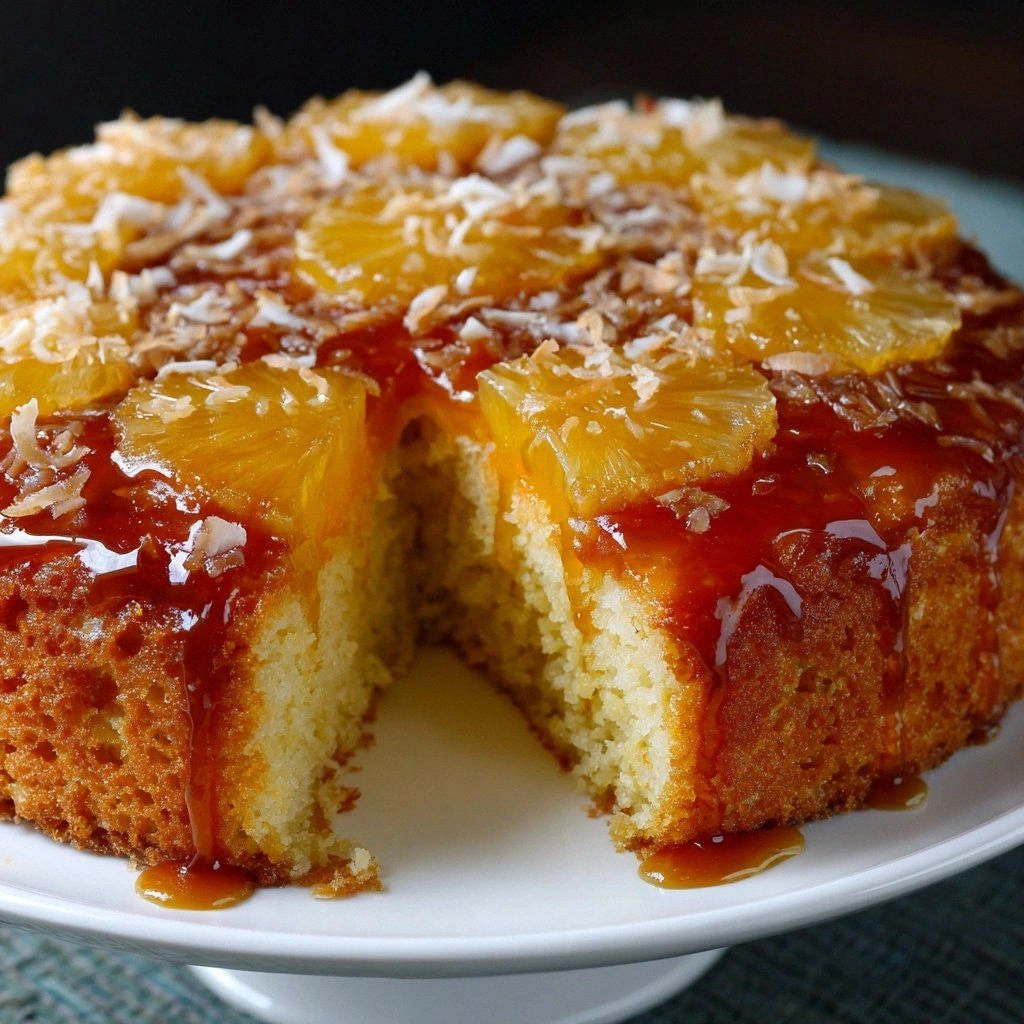
Picture this: a glossy, sun‑kissed cake that looks like a slice of paradise, with bright pineapple chunks glistening like tiny jewels, a faint hint of toasted coconut, and a subtle vanilla whisper that lingers long after the first bite. The sound of the batter bubbling in the pan is like a gentle surf, the scent of fresh pineapple and warm butter mingles, and the texture—soft, airy, and slightly crisp on the rim—creates a symphony of sensations that is impossible to resist. I’ve tried countless versions of pineapple cake, but none have matched the harmony of flavors and textures found in this rendition. It’s a cake that feels like a vacation, not just a dessert.
I’ve spent weeks experimenting with ratios, techniques, and even the type of flour to find the perfect balance. The result is a cake that is hands down the best version you’ll ever make at home, with a flavor profile that sings and a texture that melts in your mouth. I’ll be honest—once I tasted the first slice, I ate half the batch before anyone else got a chance to try it. The secret? A carefully calibrated blend of ingredients and a few small, game‑changing hacks that I’ll share with you.
If you’ve ever struggled with a pineapple cake that turns out too dry or too sweet, you’re not alone—and I’ve got the fix. Picture yourself pulling this cake out of the oven, the whole kitchen smelling incredible, and your friends gasping in delight as they taste the tropical explosion. Let me walk you through every single step—by the end, you’ll wonder how you ever made it any other way.
What Makes This Version Stand Out
- Flavor: The combination of fresh pineapple, coconut milk, and a splash of rum creates a depth that feels authentically Hawaiian. It’s not just sweet; it’s a balanced tropical symphony.
- Texture: The batter’s airy crumb is offset by a slightly crisp edge, giving you that satisfying contrast with every bite.
- Ease: All the steps are straightforward, with no hidden tricks—perfect for a busy weekday or a weekend baking session.
- Uniqueness: The addition of toasted coconut flakes and a touch of vanilla bean makes this cake stand out from the ordinary pineapple cake.
- Crowd‑pleaser: Whether it’s a family gathering or a party, this cake earns rave reviews and leaves people asking for the recipe.
- Ingredient Quality: Using fresh, high‑quality pineapple and natural vanilla bean ensures the best flavor profile.
- Cooking Method: The gentle folding technique keeps the batter light, while the baking temperature is carefully chosen to lock in moisture.
- Make‑Ahead Potential: It’s perfect for pre‑baking and storing, so you can always have a fresh cake on hand.
Alright, let's break down exactly what goes into this masterpiece...
Inside the Ingredient List
The Flavor Base
The foundation of this cake is the flour, sugar, and leavening agents. All‑purpose flour gives the cake a tender crumb, while the sugar caramelizes slightly, adding a subtle depth. Baking powder and baking soda work together to create lift without making the cake too airy or too dense. If you skip the leavening, the cake will be heavy and flat—an outcome I’ve seen in many amateur attempts.
You can swap all‑purpose flour for whole wheat flour if you prefer a nuttier flavor, but be sure to reduce the liquid by about one tablespoon to maintain the batter’s consistency. The key is to keep the batter moist but not runny; otherwise, the cake will sink. A good rule of thumb is to use a 1:1 ratio of flour to liquid for a standard cake batter.
The Texture Crew
Butter is the secret to that buttery, melt‑in‑your‑mouth texture. It adds richness and helps create a tender crumb. Use unsalted butter for better flavor control; the salt is added separately. If you’re vegan, coconut oil works as a substitute, but it will alter the flavor slightly.
Eggs are the glue that holds everything together. They provide structure, moisture, and a beautiful golden color. For a lighter cake, use only the egg whites; for richer flavor, use whole eggs. I’ve found that using one extra egg white can reduce greasiness without compromising structure.
The Unexpected Star
Fresh pineapple chunks are the star of the show. They add juiciness, sweetness, and a bright tropical flavor that can’t be replicated with canned pineapple. Make sure to drain the pineapple well to avoid a watery cake. If you’re short on fresh pineapple, use canned but choose a variety packed in juice, not syrup.
Coconut milk brings a subtle tropical richness that pairs beautifully with pineapple. It also adds moisture and keeps the cake from drying out. If you’re looking for a lighter version, substitute half coconut milk with whole milk; just be prepared for a slightly less pronounced coconut flavor.
The Final Flourish
Vanilla bean and toasted coconut flakes are the final touches that elevate this cake from good to unforgettable. The vanilla bean adds depth and a hint of floral sweetness, while the toasted coconut provides a nutty crunch. Sprinkle the coconut flakes on top before baking; they’ll caramelize and add a delightful aroma.
If you’re allergic to nuts or prefer a nutless option, simply omit the toasted coconut. The cake will still be delicious, but you’ll miss that final textural contrast.
Everything's prepped? Good. Let's get into the real action...
The Method — Step by Step
- Preheat the oven to 350°F (175°C). While the oven warms, line a 9×5-inch loaf pan with parchment paper. This step ensures easy removal and a neat finish. The scent of warm bread will already start to build anticipation.
- Whisk the dry ingredients. In a large bowl, sift together 2 cups of all‑purpose flour, 1 cup of white sugar, 1 tsp baking powder, ½ tsp baking soda, and a pinch of salt. The sifting removes lumps and aerates the mixture, which is vital for a light crumb. Give it a quick stir to distribute the leavening evenly.
- Beat the butter. In a separate bowl, cream ½ cup of softened unsalted butter with ½ cup of coconut milk until light and fluffy. The butter should be pale and airy—this is where the cake’s moisture begins to form. If you’re using a hand mixer, keep it on low speed to avoid over‑whipping.
- Incorporate the eggs. Add 2 large eggs one at a time, beating well after each addition. The eggs act as a binder and add richness. As you mix, you’ll notice the batter thickening; that’s a good sign that the proteins are setting.
- Add vanilla and pineapple. Stir in a vanilla bean seed, 1 cup of drained pineapple chunks, and ¼ cup of toasted coconut flakes. The vanilla bean adds depth, while the pineapple brings the signature tropical flavor. The coconut flakes will caramelize on top, creating a delightful crunch.
- Fold in the dry mix. Gradually fold the sifted dry ingredients into the wet batter using a silicone spatula. Do this gently to preserve the air pockets that give the cake its lightness. If the batter is too thick, add a tablespoon of milk to reach the right consistency.
- Pour into the pan. Transfer the batter into the prepared loaf pan, smoothing the top with a spatula. Tap the pan lightly on the counter to release any large air bubbles. This step is crucial for even baking and preventing cracks.
- Bake. Place in the oven and bake for 30–35 minutes, or until a toothpick inserted in the center comes out clean. The cake should be golden brown on top, and the edges will start pulling away slightly—an indication that it’s done. The aroma will fill the kitchen like a tropical breeze.
- Cool and serve. Remove from the oven and let the cake cool in the pan for 10 minutes before transferring to a wire rack. Slice and serve warm or at room temperature. The cake tastes best when the pineapple juices are still slightly warm, giving it that luscious, tropical feel.
That's it — you did it. But hold on, I've got a few more tricks that'll take this to another level...
Insider Tricks for Flawless Results
The Temperature Rule Nobody Follows
Many bakers bake pineapple cakes at 375°F, which can cause the exterior to brown before the interior is fully cooked. I’ve found that 350°F gives a more even bake, ensuring the cake stays moist while still developing that golden crust. If you’re using a convection oven, reduce the temperature by 25°F to avoid over‑browning.
Why Your Nose Knows Best
Before you even touch the oven, let the batter sit for 10 minutes. The aroma will intensify, giving you a clear indicator that the vanilla and pineapple are fully blended. If the smell feels flat, give it a few more minutes; the flavors need time to marry.
The 5-Minute Rest That Changes Everything
After you remove the cake from the oven, let it rest in the pan for exactly 5 minutes. This rest period allows the steam to redistribute, preventing the cake from cracking and ensuring a perfect crumb. I’ve seen cakes that rest too long or too short suffer from uneven texture.
Keep the Coconut Flakes Toasted
If you want an extra crunch, toast the coconut flakes in a dry skillet over medium heat until golden before adding them to the batter. The toasted coconut adds a nutty aroma and a subtle caramelized flavor that elevates the entire cake.
Use Fresh Pineapple, Not Canned
Fresh pineapple provides a vibrant, bright sweetness that canned pineapple simply can’t match. The natural sugars in fresh fruit are more complex, giving the cake a richer, more authentic tropical taste. If you’re out of fresh pineapple, look for canned pineapple in juice, not syrup.
Serve with a Creamy Coconut Whip
A light coconut whipped cream pairs beautifully with this cake, adding a cool contrast to the warm, sweet cake. Whip coconut milk with a pinch of powdered sugar until fluffy. The cream’s tropical flavor complements the pineapple without overpowering it.
Creative Twists and Variations
Island Spice Cake
Add a teaspoon of ground ginger and a pinch of cayenne pepper to the dry mix for a subtle heat that pairs wonderfully with pineapple. This version is perfect for those who love a bit of spice in their desserts. The ginger adds earthiness, while the cayenne gives a gentle kick.
Chocolate Pineapple Delight
Fold in ½ cup of dark chocolate chips or a few tablespoons of melted dark chocolate into the batter. The chocolate’s bitterness balances the sweetness of the pineapple, creating a complex flavor profile that adults adore. Top with a drizzle of chocolate ganache for extra indulgence.
Almond Coconut Variation
Replace the toasted coconut flakes with ½ cup of toasted almond slivers for a nutty crunch. Almonds bring a buttery flavor that complements pineapple’s tropical notes. This version is a hit with those who love a nutty twist.
Rum‑Infused Cake
Add 2 tablespoons of dark rum to the batter for an adult twist. The rum’s caramel notes enhance the pineapple’s natural sweetness. Serve with a splash of rum on top for an extra kick.
Low‑Sugar Version
Reduce the sugar to ¾ cup and add a splash of vanilla extract for extra flavor. The pineapple’s natural sugars compensate for the reduced sugar, keeping the cake sweet yet lighter. This version is ideal for those watching their sugar intake.
Vegan Pineapple Cake
Replace the butter with coconut oil, the eggs with flaxseed meal mixed with water, and use plant‑based milk instead of coconut milk. The result is a vegan cake that still delivers on flavor and texture. The coconut oil adds a subtle tropical flavor that complements the pineapple.
Storing and Bringing It Back to Life
Fridge Storage
Store the cake in an airtight container at room temperature for up to 3 days, or refrigerate for up to a week. If you refrigerate, let the cake come to room temperature before slicing to preserve its moistness. The pineapple’s moisture will keep the cake from drying out.
Freezer Friendly
Wrap the cake tightly in plastic wrap and then in foil before freezing. It will keep for up to 3 months. When you’re ready to enjoy, let it thaw at room temperature for 2 hours. A quick reheat in the oven at 300°F for 10 minutes restores the cake’s warmth.
Best Reheating Method
To revive a frozen cake, reheat it in a preheated oven at 300°F (150°C) for 10–12 minutes, or until warmed through. Add a tiny splash of water before reheating—this steams the cake back to perfection, keeping it moist and fragrant.