I was standing in my kitchen, eyes glued to the screen, when the timer dinged for the second time and I realized I had forgotten to taste the sauce. The garlic had gone a little brown, the truffle oil had turned a faint amber, and the cream had thickened into a clumpy mess. I stared at the pot, thinking, “What a disaster.” Then I remembered a conversation with my friend who swore that truffle could rescue any culinary mishap. That moment sparked a dare: “I dare you to taste this and not go back for seconds.” And so, armed with a skillet and a mischievous grin, I set out to create a tagliatelle that would make even the most skeptical palates bow down.
The kitchen was a sensory orchestra: the sharp, earthy perfume of black truffle slices floated up from the pan, mingling with the sweet, caramelized scent of garlic. My eyes tracked the glossy, amber sauce as it shimmered against the glossy tagliatelle, each strand coated like velvet. The sizzle of cream meeting oil was a comforting crackle that whispered, “This is going to be good.” I could almost taste the buttery richness before it even touched my tongue, and the faint hint of Parmesan promised a salty counterpoint. The heat from the stove warmed my hands, a gentle reminder that this was a hands‑on, intimate affair, not a cold, distant recipe.
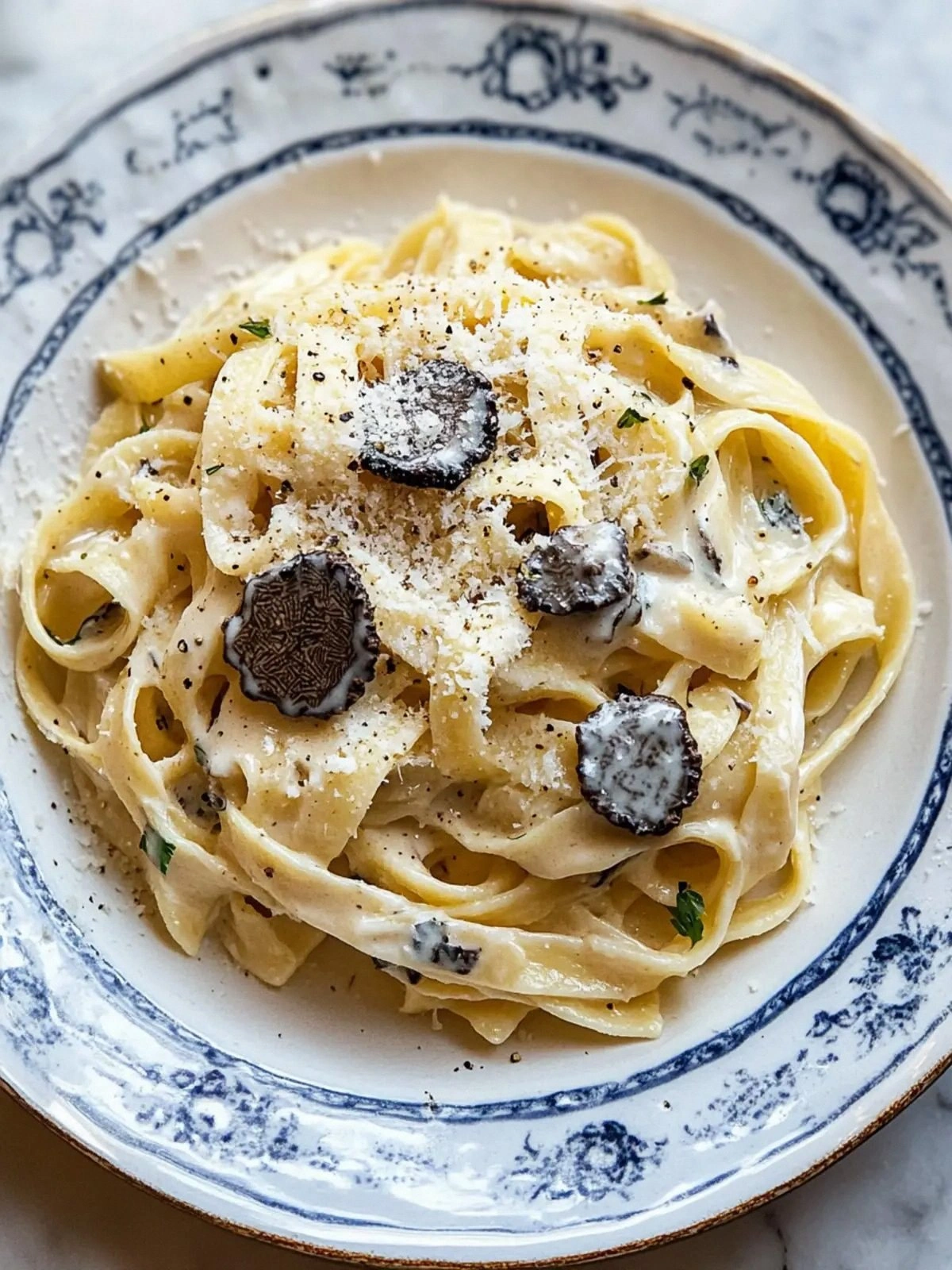
What sets this version apart from every other truffle pasta recipe I’ve ever tried is the deliberate layering of flavors and textures. Instead of drowning the pasta in an over‑rich sauce, I let the truffle oil sing on its own, then balanced it with a whisper of garlic and a splash of heavy cream that gives the dish a silky mouthfeel without tipping into heaviness. The final touch—a generous shaving of black truffle—adds a fresh, almost metallic pop that cuts through the creaminess. I’m not just making pasta; I’m crafting an edible experience that feels like a luxury dinner without the price tag. The result? A dish that’s hands‑down the best version you’ll ever make at home.
And there’s a twist you won’t see in the usual truffle pasta playbook: a secret step where I fold in a touch of truffle butter after the sauce has reached its peak. That extra buttery element gives the sauce a glossy sheen and a depth of flavor that makes the dish feel like it’s been simmered for hours. Picture yourself pulling this out of the pan, the whole kitchen smelling incredible, the steam curling around the pot like a fragrant cloud. Let me walk you through every single step—by the end, you’ll wonder how you ever made it any other way.
What Makes This Version Stand Out
- Flavor: The sauce is a harmonious blend of truffle oil, garlic, and cream, each component enhancing the others rather than competing. The result is a balanced, earthy, and luxurious taste that lingers on the palate.
- Texture: Tagliatelle is chosen for its ribbon-like shape, which captures the sauce perfectly. The final sauce coats the pasta like velvet, offering a silky mouthfeel that melts in the mouth.
- Time Efficiency: With a total prep and cook time under 45 minutes, this dish is ideal for a quick weeknight dinner that still feels indulgent.
- Ingredient Quality: Using fresh truffle slices in olive oil and a high‑fat heavy cream elevates the dish, ensuring that each bite is rich without being cloying.
- Versatility: The recipe can be easily adapted for dietary restrictions—use a dairy‑free cream or a gluten‑free pasta—and still deliver the same truffle‑infused bliss.
- Presentation: A final flourish of shaved black truffle and a dusting of Parmesan turns an ordinary plate into a visual feast.
- Make‑Ahead Potential: The sauce keeps well for up to two days when stored in an airtight container, making it perfect for meal prep.
Inside the Ingredient List
The Flavor Base
Garlic is the unsung hero that kickstarts the sauce’s aroma. Finely minced, it releases its sweet, slightly spicy notes when sautéed in truffle oil, creating a fragrant foundation that the truffle can build upon. If you’re allergic to garlic, a pinch of onion powder will give a similar depth, though the flavor profile shifts slightly toward sweet.
Truffle oil or truffle butter is the star of the show. It infuses the sauce with that unmistakable, earthy aroma that makes truffle dishes instantly recognizable. When using truffle oil, choose a high‑quality, pure oil rather than a flavored one, as the latter can mask the truffle’s subtlety. If you prefer a richer mouthfeel, a tablespoon of truffle butter works beautifully; it adds a buttery sheen and a deeper, almost nutty undertone.
The Texture Crew
Heavy or double cream is essential for creating the silky, luscious sauce that clings to every strand of pasta. Its high fat content ensures the sauce doesn’t separate when heated and provides a smooth, velvety mouthfeel. If you’re watching calories, a lighter cream can be substituted, but be prepared for a slightly thinner sauce that may require a splash of milk to thicken.
Freshly grated Parmesan adds a salty, nutty finish that balances the richness of the cream and the earthiness of the truffle. Grated right before serving keeps the cheese from clumping and releases its full flavor. For a vegan version, nutritional yeast offers a comparable umami kick, though it won’t provide the same creamy texture.
The Unexpected Star
Black truffle slices in olive oil are the pièce de résistance. The oil carries the truffle’s aroma and allows you to control the intensity of the flavor. If you’re in a pinch, fresh truffle shavings are a worthy alternative—just be sure to fold them in at the very end to preserve their aroma.
The Final Flourish
A final sprinkle of grated Parmesan and a few fresh parsley leaves add a bright, herbal note that cuts through the richness. The parsley also provides a pop of color, making the dish visually appealing. If you’re feeling adventurous, a drizzle of aged balsamic vinegar can add a subtle tang that elevates the overall flavor profile.
Everything's prepped? Good. Let's get into the real action...
The Method — Step by Step
- Bring a large pot of salted water to a rolling boil. The salt should taste as salty as sea water—this flavors the pasta from the inside out. Add the tagliatelle and cook for 8–9 minutes, stirring occasionally to prevent sticking. Once the pasta is al dente, reserve a cup of the starchy cooking water before draining.
- While the pasta cooks, heat a wide skillet over medium heat. Add the truffle oil (or butter) and let it melt, watching for a faint shimmer that signals readiness. This step is crucial; overheating the oil can burn the garlic later.
- Add the minced garlic to the skillet and sauté until it turns translucent and releases its fragrance—about 30 seconds. Be careful not to let it brown, or it will taste bitter. A quick stir keeps it from sticking to the pan. Kitchen Hack: If you have a garlic press, use it for a finer texture that blends seamlessly into the sauce.
- Pour in the heavy cream and stir to combine. Bring the mixture to a gentle simmer, then reduce the heat to low. The sauce should thicken slightly and develop a glossy sheen. Taste and season with salt and freshly ground black pepper—remember, the truffle will carry its own saltiness.
- Fold in the grated Parmesan until it melts into the sauce, creating a silky, cohesive texture. If the sauce becomes too thick, add a splash of reserved pasta water to achieve your desired consistency. The water’s starch helps bind the sauce to the pasta.
- Return the drained tagliatelle to the skillet, tossing it with the sauce until every strand is coated. Keep the heat low to avoid overcooking the pasta. Kitchen Hack: Use a wooden spoon to gently stir, which helps distribute the sauce evenly without breaking the pasta.
- Add the black truffle slices in olive oil, gently folding them into the mixture. The heat should be low enough to preserve the truffle’s aroma; a quick swirl will distribute the truffle flavor without extracting too much oil.
- Watch Out: This is the trickiest step—if the sauce is too hot, the truffle oil can evaporate, losing its aroma. Keep the skillet off the flame for a few seconds after adding the truffle, letting the residual heat finish the job.
- Plate the pasta, topping each serving with a generous shaving of fresh black truffle and a sprinkle of Parmesan. Finish with a few fresh parsley leaves for color and a hint of brightness. Serve immediately while the sauce is still warm and glossy.
That's it — you did it. But hold on, I've got a few more tricks that'll take this to another level. The subtle adjustments below will elevate the dish from great to unforgettable.
Insider Tricks for Flawless Results
The Temperature Rule Nobody Follows
Many cooks let the sauce simmer too long, causing the cream to split. Keep the heat low and let the sauce gently bubble for 3–4 minutes. A quick test: place a drop of sauce on a spoon; if it coats the spoon without separating, you’re good. I once forgot to reduce the heat and the sauce turned into a greasy sludge—don’t let that happen to you.
Why Your Nose Knows Best
Your sense of smell is the ultimate guide. As soon as the truffle oil hits the pan, a faint, earthy perfume will fill the kitchen. If it’s too subtle, add a splash of truffle oil; if it’s overpowering, let the sauce simmer longer to mellow the aroma. The right balance creates a sensory experience that’s both comforting and luxurious.
The 5-Minute Rest That Changes Everything
After cooking, let the pasta rest in the skillet for 2 minutes before serving. This rest allows the flavors to meld and the sauce to thicken slightly, giving each bite a richer texture. I’ve seen people skip this step and end up with a watery sauce—don’t be one of them.
Fresh vs. Frozen: A Quick Decision
If you’re short on fresh truffle, frozen truffle pieces work surprisingly well. They’ll release their flavor during cooking but won’t carry the same intense aroma. Use them in a pinch, but for the ultimate experience, fresh truffle is unbeatable.
The Secret of Salt
Seasoning is the backbone of any great dish. Start with a small pinch of sea salt, taste, then adjust. Too much salt can mask the truffle’s delicate notes, while too little will leave the dish flat. I’ve learned that a little goes a long way—especially when you’re working with such a rich sauce.
A Touch of Acidity
A splash of lemon juice or a light drizzle of aged balsamic vinegar at the end can cut through the creaminess and brighten the flavors. This is optional, but it adds a layer of complexity that makes the dish feel more refined.
Creative Twists and Variations
This recipe is a playground. Here are some of my favorite ways to switch things up:
Mushroom Medley
Sauté sliced porcini or shiitake mushrooms with the garlic for an earthy depth that complements the truffle. The mushrooms add a chewy texture and an umami boost, making the dish even more satisfying.
Spinach and Sun-Dried Tomato
Fold in a handful of baby spinach and a few chopped sun-dried tomatoes for a pop of color and a sweet, tangy contrast. The spinach wilts beautifully in the sauce, while the sun-dried tomatoes provide a chewy bite.
Lemon-Parmesan Twist
Add a squeeze of fresh lemon juice and a sprinkle of lemon zest to the sauce just before serving. The citrus brightens the rich truffle flavor and adds a refreshing note that pairs wonderfully with the Parmesan.
Pesto Fusion
Stir in a spoonful of basil pesto for an herbal kick. The pesto’s bright green color and nutty flavor create a unique contrast with the earthy truffle, turning the dish into a multi-layered flavor experience.
Seafood Splash
Add shrimp or scallops to the pasta during the last few minutes of cooking. Their sweet, briny flavor pairs beautifully with the truffle, and the protein boost makes the dish more substantial.
Storing and Bringing It Back to Life
Fridge Storage
Cool the pasta and sauce to room temperature, then transfer them to an airtight container. Store in the refrigerator for up to 2 days. The sauce may thicken slightly; reheat gently to restore its silky texture.
Freezer Friendly
For longer storage, portion the dish into freezer-safe containers and freeze for up to 2 weeks. Thaw overnight in the refrigerator, then reheat on the stove with a splash of milk or cream to loosen the sauce.
Best Reheating Method
Reheat the pasta in a skillet over low heat, adding a tiny splash of water or milk to keep the sauce from drying out. Stir gently until the sauce is heated through and has a smooth consistency. A quick microwave reheat is fine too, but be sure to stir halfway through.