Love this? Pin it for later! 📌
Why This Recipe Works
- Triple-texture technique: Starchy potatoes give body, waxy parsnips add creaminess, and roasted garlic brings caramel depth without extra dishes.
- One-pot, zero-waste: We simmer the vegetables in seasoned broth, then reduce that same liquid into a concentrated flavor bomb instead of pouring it down the drain.
- Make-ahead magic: The mash reheats like a dream—no gluey textures—so you can do 90 % of the work on Sunday and simply warm on Tuesday night.
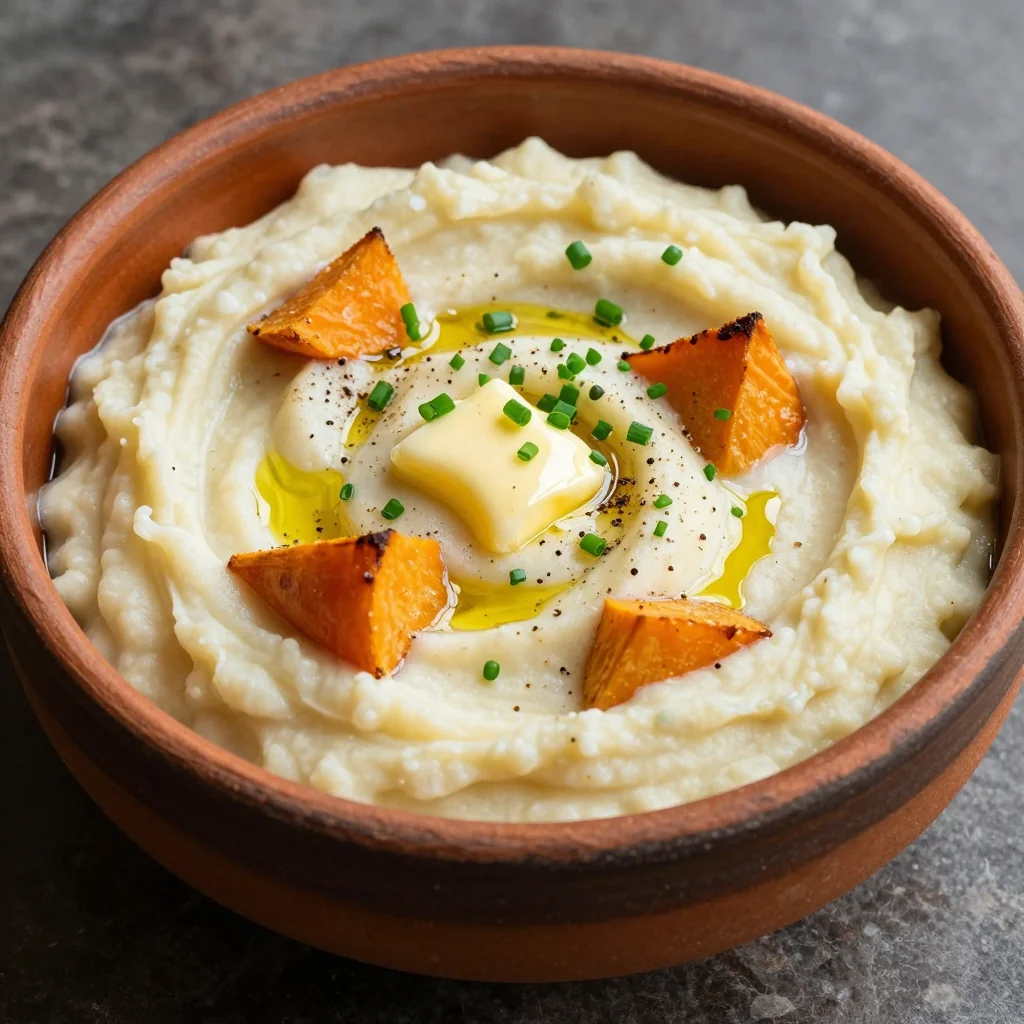
- Color-coded nutrition: Orange sweet potato, ivory parsnip, and ruby beet top streak the bowl with winter sunshine that photographs beautifully in low light.
- Butter-smart, not butter-heavy: A modest 3 Tbsp of cultured butter + a drizzle of grassy olive oil deliver richness for 8 servings—no heavy cream required.
- Vegan-flexible: Swap butter for white-bean aquafaba and olive oil; the starchy bean liquid whips air into the mash just like dairy.
Ingredients You'll Need
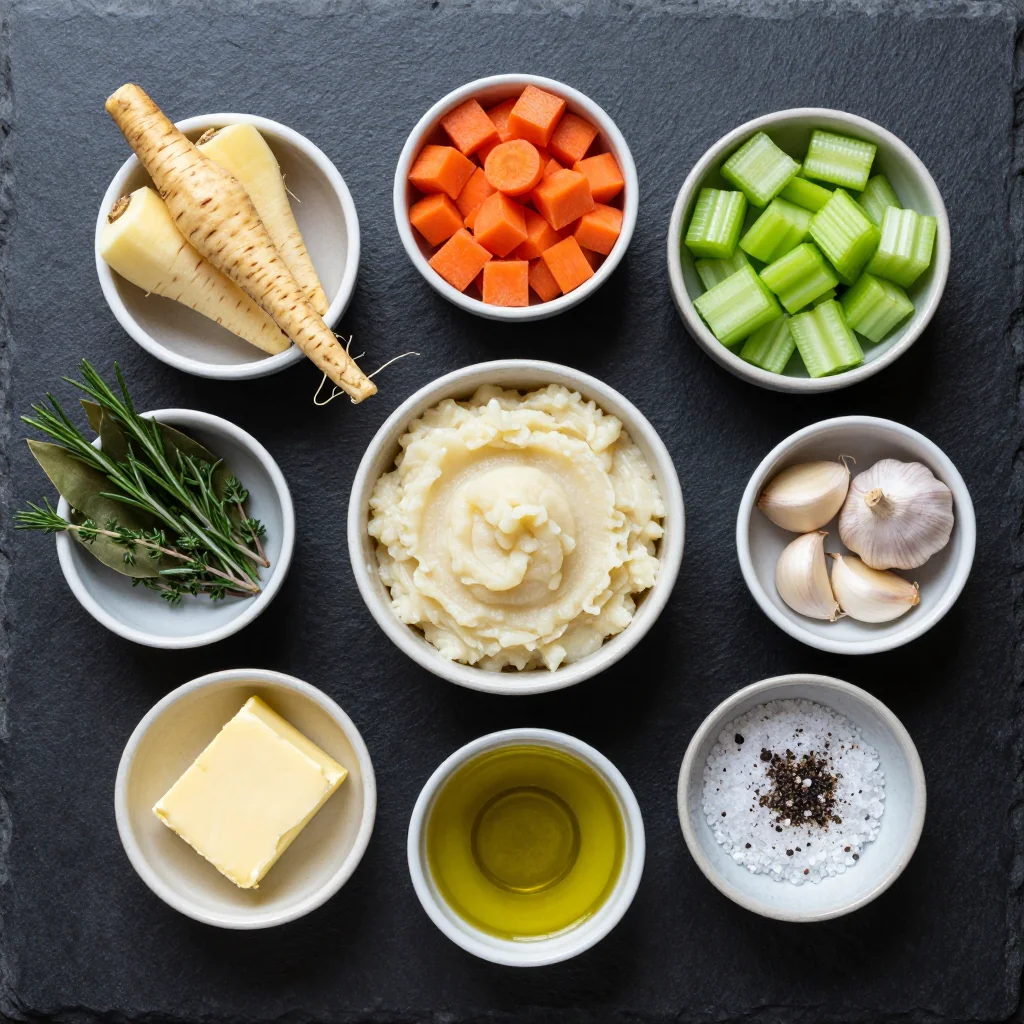
This mash is forgiving, but quality in equals flavor out. Look for roots that feel heavy for their size and smell faintly sweet—any whiff of mildew means the interior is woody. I buy organic whenever possible because we’re keeping the skins on the potatoes for extra earthiness and nutrients.
Yukon Gold potatoes (1 lb / 450 g) – Their naturally buttery texture means less added fat. If you only have Russets, cut the simmer time by 2 minutes so they don’t drink up all the broth.
Parsnips (12 oz / 340 g) – Choose medium-width specimens; pencil-thin ones cook too quickly and turn to watery threads, while fat ones have tough, pithy cores. Peeled or unpeeled is fine—scrub well if you leave the skin on.
Celery root (½ medium, about 10 oz / 280 g) – Also labeled celeriac. The knobby exterior hides snow-white flesh that tastes like celery kissed by hazelnut. If unavailable, substitute an equal weight of cauliflower florets; the flavor will be milder but still delicious.
Sweet potato (1 medium, 8 oz / 225 g) – I use the orange-fleshed Garnet for color, but Japanese purple or even butternut squash work. Roast extra while the oven is on for tomorrow’s lunch salad.
Garlic (1 whole head) – Roasting tames the bite into mellow, caramel goo. Don’t shortcut with raw minced garlic; the harsh edge will bully the delicate roots.
Low-sodium vegetable broth (3 cups / 720 ml) – Chicken broth is fine for omnivores. homemade is glorious, but a good boxed brand lets this stay weeknight-easy.
Cultured butter (3 Tbsp / 42 g) – European-style, 82 % fat. The lactic cultures add tang that balances the vegetables’ natural sweetness. Vegans, replace with 2 Tbsp olive oil plus 1 Tbsp chickpea aquafaba.
Extra-virgin olive oil (1 Tbsp) – A peppery finishing drizzle wakes up the dish just before serving. Choose an oil you’d happily dip bread into.
Fine sea salt & freshly ground white pepper – White pepper disappears visually, keeping the mash’s color pristine. If you only have black, no worries—just grind very finely.
Optional brightness: A squeeze of lemon or splash of apple-cider vinegar stirred in at the end lifts all the sweet notes without turning the mash tangy.
How to Make Winter Root Vegetable Mash For Side Dish
Roast the garlic
Preheat oven to 400 °F (204 °C). Slice the top ¼ inch off the whole garlic head to expose the cloves. Drizzle with a teaspoon of olive oil, wrap loosely in foil, and place directly on the oven rack. Roast 35–40 min until the cloves are mahogany and jammy. Cool 10 min, then squeeze the cloves into a small bowl; you should have about 2 packed tablespoons.
Prep the roots
While the garlic roasts, scrub potatoes and sweet potato; peel only if the skins are thick or blemished. Dice into 1-inch chunks so they cook evenly. Peel celery root with a sharp knife, following the contours to remove all the brown grooves. Slice parsnips in half lengthwise; if the core feels woody, core it out with the tip of a spoon. Cut everything into 1-inch pieces.
Simmer, don’t boil
Place all the vegetables in a heavy 5-quart Dutch oven. Cover with the vegetable broth; add 1 teaspoon salt. Bring just to a gentle simmer over medium heat, then reduce to low, cover partially, and cook 18–22 min. The goal is tender pieces that still hold their shape; a knife should slide in with almost no resistance but the veg shouldn’t fall apart.
Reduce the liquid
Using a slotted spoon, transfer vegetables to the bowl of a food processor fitted with the steel blade. Pour the remaining broth into a small skillet; you should have about 1 cup. Simmer over medium-high heat until reduced to ¼ cup and syrupy, 6–8 min. This concentrates flavor and eliminates watery mash.
Process with fat
Add roasted garlic cloves, reduced broth, butter, and ½ teaspoon white pepper to the vegetables. Pulse 5–6 times to break everything up, then process 20–30 seconds until completely smooth, stopping once to scrape the sides. Taste; add more salt or a squeeze of lemon if needed.
Rest and reheat
Transfer mash back to the Dutch oven. Cover and let stand 5 minutes; the starches will tighten slightly and the texture becomes spoon-stand thick. If making ahead, cool completely, refrigerate up to 4 days, or freeze in pint containers for 3 months.
Serve with flair
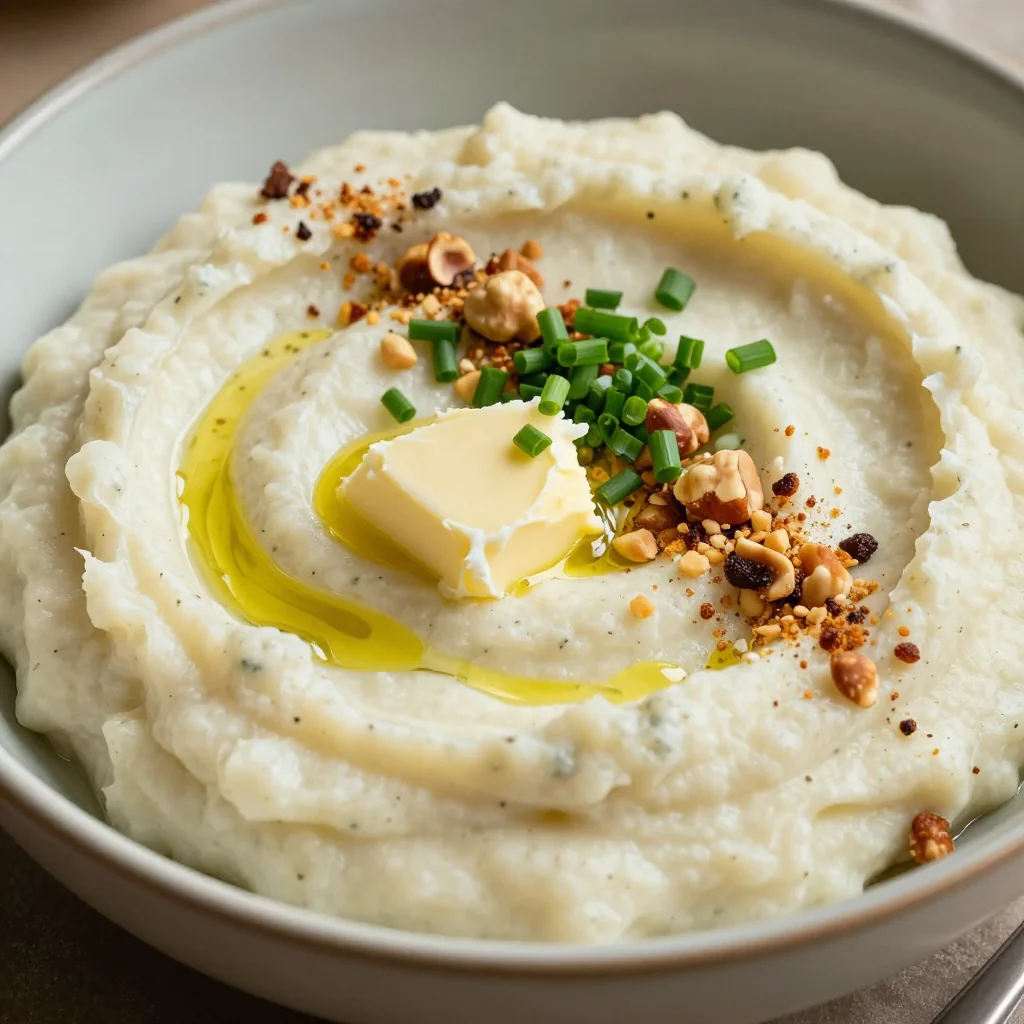
Reheat gently over low heat, stirring often and splashing in a tablespoon of broth or milk at a time to loosen. Spoon into a warmed serving bowl, create a shallow well with the back of a spoon, and drizzle with olive oil. Finish with crunchy sea-salt flakes and a shower of fresh thyme leaves or pomegranate arils for color contrast.
Expert Tips
Temperature matters
Serve the mash hot, not lukewarm. Root vegetables contain natural sugars that taste flat when tepid. Warm your serving bowl with hot tap water while the mash reheats, then dry just before plating.
Silky shortcut
For ultra-luxe texture, pass the mash through a fine-mesh tamis or chinois after processing. It adds five minutes but yields restaurant-level smoothness.
Broth boost
Save the green leaves from your celery root, simmer them in the broth for 5 minutes, then remove before adding vegetables—free aromatics!
Overnight flavor
The mash tastes even better the next day as the sweet-savory notes meld. Make it fully, refrigerate, then reheat slowly with a splash of oat milk for a weeknight miracle.
Color guard
If you want the orange hue to pop, reserve ¼ cup of the sweet potato cooking liquid and whisk it back in at the end instead of the reduced broth.
Egg on top
Leftovers make a stellar base for brunch: form into patties, pan-sear in butter, and top with poached eggs and harissa drizzle.
Variations to Try
- Smoky Maple: Replace 1 tablespoon of the butter with maple-smoked bacon fat and whisk in 1 teaspoon maple syrup at the end. Finish with toasted pepitas.
- Green Goddess: Swap olive oil for 2 tablespoons basil pesto and fold in ½ cup steamed baby spinach before processing for a verdant hue.
- Curried Coconut: Use coconut oil in place of butter, add 1 teaspoon mild curry powder to the simmering broth, and replace reduced broth with ¼ cup coconut milk.
- Cheese-Lover’s: Stir in ½ cup finely grated aged Gouda after processing; the nutty cheese marries beautifully with parsnip sweetness.
- Spicy Parsnip: Add ½ roasted habanero (seeds removed) to the food processor for a fruity heat that blooms minutes after you swallow.
- Low-carb: Substitute half the potatoes with steamed cauliflower florets; the carb count drops by 30 % with minimal flavor change.
Storage Tips
Cool the mash completely within two hours of cooking. Divide into shallow containers so it chills rapidly—deep tubs trap heat and invite bacteria.
Refrigerator: Store in airtight glass or BPA-free plastic up to 4 days. Press a sheet of parchment directly onto the surface to prevent a dry skin.
Freezer: Portion into 1-cup silicone muffin trays, freeze until solid, then pop out and store in a zip-top bag up to 3 months. Thaw overnight in the fridge or microwave on 50 % power for 3 minutes per cup.
Reheating: Warm gently in a heavy saucepan over low heat with 1–2 tablespoons liquid (broth, milk, or water) per cup of mash. Stir often; scorched starches will turn grainy. If the texture breaks, whisk in a teaspoon of warm cream or olive oil to re-emulsify.
Make-ahead party trick: Double the recipe, spread half into a buttered 9-inch baking dish, dot with butter, cover, and refrigerate up to 2 days. To serve, bring to room temp 30 minutes, then bake at 350 °F for 25 minutes until edges are golden and center is piping hot.
Frequently Asked Questions
Winter Root Vegetable Mash For Side Dish
Ingredients
Instructions
- Roast garlic: Preheat oven to 400 °F. Drizzle trimmed head with oil, wrap in foil, roast 35–40 min until cloves are jammy. Squeeze out and reserve.
- Simmer vegetables: Combine potatoes, parsnips, celery root, sweet potato, and broth in a Dutch oven. Season with 1 tsp salt. Simmer covered 18–22 min until knife-tender.
- Reduce broth: Transfer veg to a food processor. Simmer remaining broth until syrupy (¼ cup), 6–8 min.
- Process: Add roasted garlic, reduced broth, butter, and white pepper to processor. Pulse then process until silky, 20–30 seconds. Taste and adjust seasoning.
- Rest: Return mash to pot, cover 5 min to thicken. Reheat gently with a splash of liquid if needed.
- Serve: Spoon into warmed bowl, drizzle with olive oil, and sprinkle flaky salt or fresh thyme.
Recipe Notes
For ultra-smooth restaurant texture, pass the mash through a fine-mesh sieve after processing. Reheats beautifully—add liquid slowly and warm over low heat to keep it creamy.