Picture this: I’m standing in a cramped kitchen, the oven timer is ticking, and my friends are hovering over my phone, demanding a dish that screams “extraordinary” without the extra effort. I’ve tasted Moroccan stews in a few travel restaurants, but each time I came home, the flavor felt like a whisper instead of a shout. That night, I dared myself to turn the humble chicken thigh into a fragrant, spiced masterpiece that could win over even the most skeptical palates. And so began my quest to craft a stew that not only satisfies the craving for something exotic but also feels like a cozy hug on a rainy evening.
The first time I set the pot on the stove, the aroma was a burst of cumin and coriander that made my nose do a little dance. The sizzling onions released a sweet, caramelized scent that mingled with the sharp tang of garlic, creating a heady perfume that seemed to promise warmth and comfort. My eyes caught the deep, amber hue of the tomato base, and I imagined the stew thickening into a velvety sauce that would cling lovingly to every morsel. The sound of the broth bubbling was like a gentle lullaby, coaxing the spices to awaken and mingle. I could almost taste the apricots' subtle sweetness and the olives' briny punch, already hinting at the complexity to come.
Why does this version stand out? Because it’s built on a foundation of balance—spice, sweetness, and umami—all while keeping the process straightforward enough for a weekday dinner. I’ve taken the classic Moroccan spice blend and tweaked it, adding a hint of turmeric for color and a splash of cayenne for just the right kick. The inclusion of dried apricots brings a caramelized sweetness that contrasts beautifully with the savory broth, turning the stew into a flavor roller coaster. And the green olives add a briny depth that anchors the dish, preventing it from tipping too far into sweetness. The result is a stew that feels luxurious yet approachable, a dish that will make you question why you ever settled for bland chicken.
I dare you to taste this and not go back for seconds. I’ve had people come back for a second plate before the first even finished. That’s the power of a stew that’s been carefully balanced and slow‑cooked to perfection. Picture yourself pulling this out of the oven, the whole kitchen smelling incredible, and knowing you’ve just created something that will become a staple on your menu. Let me walk you through every single step — by the end, you’ll wonder how you ever made it any other way.
What Makes This Version Stand Out
- Taste: The harmony of sweet, savory, and spicy flavors creates a multi‑layered profile that lingers on the tongue. The apricots caramelize against the tomatoes, while the olives provide a briny counterpoint.
- Texture: The chicken thighs become melt‑in‑your‑mouth tender, and the sauce thickens into a silky coating that clings to couscous or rice like velvet.
- Ingredient Quality: Using bone‑in, skin‑on thighs gives depth; fresh herbs and high‑quality spices elevate the dish beyond a generic stew.
- Simplicity: No fancy equipment, just a pot, a few basic ingredients, and a slow‑cook method that frees your hands for dinner prep.
- Crowd Reaction: Friends rave about the depth of flavor and the comforting warmth, often asking for the recipe the next time they visit.
- Make‑Ahead Potential: The stew actually tastes better the next day, making it perfect for meal prep or a “grab‑and‑go” dinner.
- Versatility: Pair it with couscous, rice, or even a side of roasted vegetables for a complete meal that adapts to your mood.
- Budget Friendly: Chicken thighs are affordable, and the spices are pantry staples, keeping the cost low without compromising flavor.
Alright, let’s break down exactly what goes into this masterpiece…
Inside the Ingredient List
The Flavor Base
At the heart of this stew lies a simple yet powerful foundation: onions, garlic, and a robust spice blend. The onions are diced finely to release their natural sugars, creating a caramelized base that forms the stew’s backbone. Garlic, minced into a fine paste, ensures that no grain of flavor is left behind. The spice mix—comprising cumin, coriander, ginger, cinnamon, cayenne, and turmeric—acts as the soul of the dish, delivering warmth, depth, and a subtle heat that dances on the palate. If you skip this step, the stew will feel flat and lifeless, lacking the character that makes Moroccan cuisine unforgettable.
The Texture Crew
Chicken thighs are the star of the show, chosen for their juicy, tender meat that holds up beautifully during slow cooking. The skin-on, bone-in cuts provide natural flavor and moisture, preventing the stew from drying out. Diced tomatoes and chicken broth form the liquid base, giving the stew its signature rich, slightly tangy profile. Chickpeas add a hearty bite, contributing protein and a subtle nutty flavor that complements the spices. Dried apricots, when simmered, release a natural sweetness that balances the heat and acidity, creating a sauce that’s both comforting and exciting.
The Unexpected Star
Green olives, often overlooked in stews, bring a briny, savory punch that grounds the dish. Their oil content helps to carry the spices throughout the broth, ensuring every bite is infused with flavor. When you first add olives, you’ll notice a subtle shift in the stew’s aroma, hinting at the Mediterranean influence that is so integral to Moroccan cooking. If you’re allergic or simply don’t like olives, substitute with capers or a splash of soy sauce for a similar umami boost. This ingredient is the secret weapon that turns an ordinary stew into a memorable culinary experience.
The Final Flourish
Fresh cilantro or parsley adds a burst of green freshness that cuts through the richness of the stew. A sprinkle of chopped herbs right before serving lifts the dish, adding brightness and a touch of color that makes it visually appealing. The choice of side—couscous or rice—completes the meal, absorbing the sauce and providing a neutral canvas that lets the stew shine. If you prefer a lower‑carb option, try cauliflower rice or a side of sautéed greens. This final touch transforms the stew from a simple pot of broth into a full‑blown, satisfying dinner.
Everything’s prepped? Good. Let’s get into the real action…
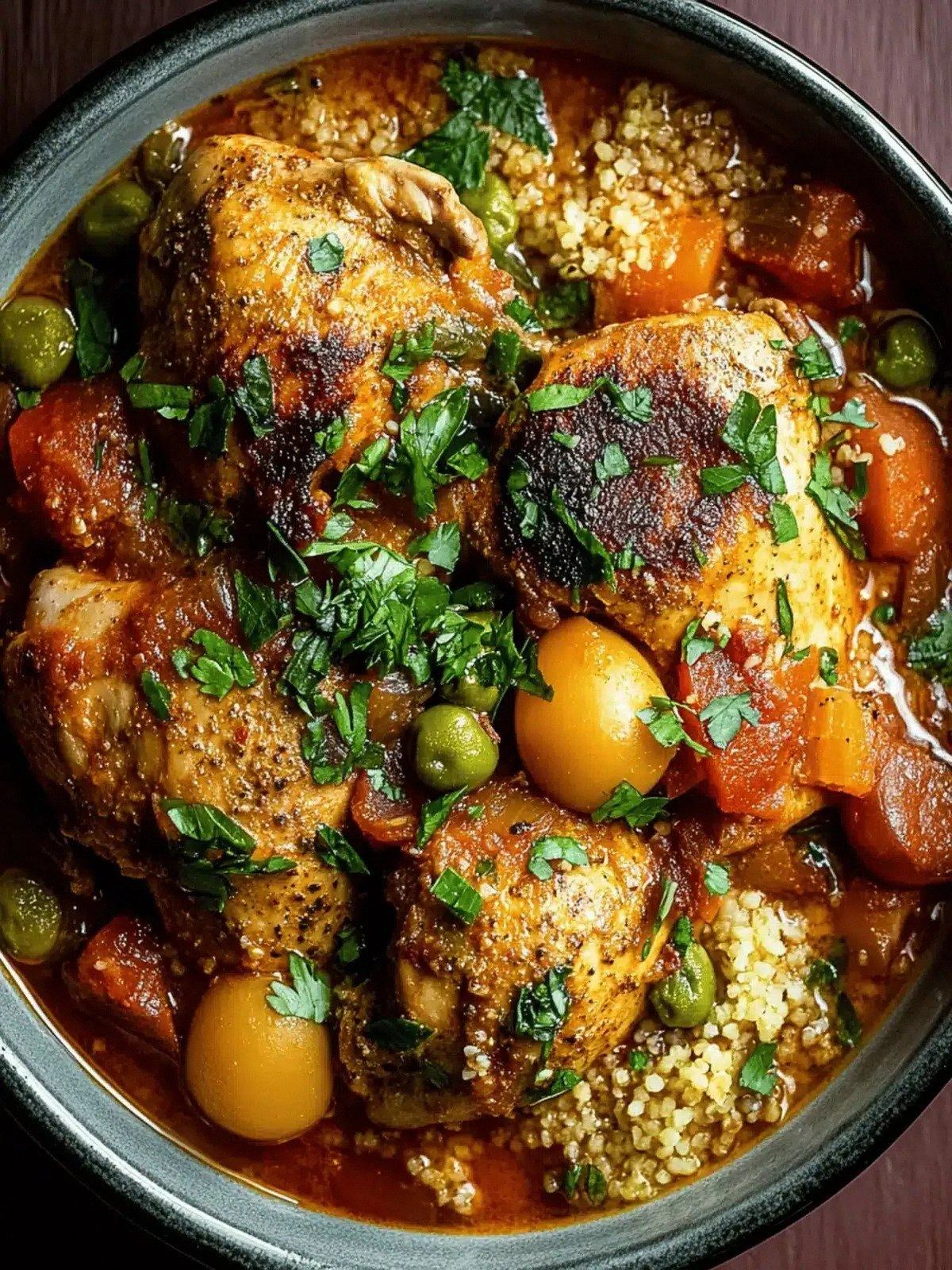
The Method — Step by Step
- Heat a large Dutch oven or heavy‑bottomed pot over medium heat and drizzle the olive oil. As the oil warms, add the diced onion and cook until translucent and lightly browned, about 5–7 minutes. The onions should develop a sweet, caramelized aroma that signals the base is ready. Stir occasionally to prevent sticking or burning. This step builds the flavor foundation that will carry the rest of the spices.
- Add the minced garlic and cook for 30 seconds, just until fragrant. Be careful not to let it burn; a burnt garlic taste will overpower the stew. The garlic should release a sharp, aromatic scent that blends with the onions. This quick sauté brings depth and complexity to the broth.
- Stir in the ground cumin, coriander, ginger, cinnamon, cayenne, and turmeric. Toast the spices for 1–2 minutes until they become fragrant, watching them swirl in the oil. The spices should release a warm, earthy aroma, signaling that their flavors are ready to mingle. This is the moment where the stew starts to feel “Moroccan.”
- Add the chicken thighs, skin side down, and brown them on all sides. This should take about 4–5 minutes per side. The browning creates a rich, savory crust that adds depth to the dish. Flip carefully to avoid breaking the skin; a crisp skin enhances the stew’s texture.
- Pour in the diced tomatoes and chicken broth, then stir to combine. The liquid should just cover the chicken thighs. Bring the mixture to a gentle simmer, then reduce the heat to low. The stew should bubble softly, not boil aggressively, to preserve the delicate flavors.
- Cover the pot and let the stew cook for 25–30 minutes, or until the chicken is tender and the broth has thickened slightly. Check the pot occasionally, stirring to prevent sticking. The sauce should coat the chicken and the apricots, forming a silky glaze.
- Stir in the cooked chickpeas, dried apricots, and green olives. The apricots will soften and release their natural sweetness, while the olives add a salty kick. Let the stew simmer uncovered for another 5 minutes to allow the flavors to meld.
- Season with salt and pepper to taste, then add a handful of chopped cilantro or parsley. The fresh herbs brighten the dish, cutting through the richness. Give the stew a final stir, then let it rest for 5 minutes before serving.
- Serve hot over fluffy couscous or rice, garnishing with extra herbs if desired. The couscous will soak up the sauce, creating a comforting bite that’s both hearty and elegant. Enjoy the burst of flavors, the tender chicken, and the sweet‑savory harmony.
That’s it — you did it. But hold on, I’ve got a few more tricks that will take this to another level. These insider tips will help you avoid common pitfalls and elevate the dish to a professional‑grade experience.
Insider Tricks for Flawless Results
The Temperature Rule Nobody Follows
Many people cook stews on high heat, thinking it will speed up the process. In reality, a low, steady simmer allows the flavors to develop fully and the chicken to stay tender. Keep the temperature between 180–200°F (80–90°C) after the initial browning. This gentle cooking method ensures the broth thickens naturally without separating. I once tried a high‑heat approach and ended up with a greasy, over‑cooked stew. The lesson? Patience pays off, and the result is worth the wait.
Why Your Nose Knows Best
Your sense of smell is your most reliable flavor gauge. If the broth smells bright and aromatic, you’re on the right track. If it has a dull or off scent, adjust the spices or add a splash of lemon juice to brighten it. A hint of citrus can cut through the richness and add a fresh lift. The next time you cook, pause and inhale the stew; it will guide you toward the perfect balance.
The 5‑Minute Rest That Changes Everything
Letting the stew rest for five minutes after cooking allows the flavors to settle and the sauce to thicken slightly. The chicken will continue to absorb the broth, becoming even more succulent. This short pause also makes the stew easier to serve, as the sauce clings to the grains without separating. I’ve found that a brief rest turns a good stew into a great one.
The Olive Oil Trick
Using extra‑virgin olive oil not only adds flavor but also helps the spices adhere to the chicken and vegetables. If you’re watching calories, switch to a lighter olive oil or a neutral oil like grapeseed. The key is to use enough oil to create a glossy surface without making the stew greasy.
The Quick Stir
Stirring the stew every 10 minutes prevents the bottom from sticking and ensures even cooking. A quick stir also redistributes the spices, keeping the flavor profile balanced. Don’t be tempted to leave it unattended; a little attention goes a long way in avoiding a burnt bottom.
Creative Twists and Variations
This recipe is a playground. Here are some of my favorite ways to switch things up:
Spicy Chickpea Burst
Add a tablespoon of harissa or a pinch of smoked paprika to step 3 for a smoky, fiery kick. The chickpeas will absorb the heat, making each bite a flavorful explosion. Great for those who love a spicy challenge.
Herb‑Infused Couscous
Cook the couscous in a broth made from the stew’s leftovers, then stir in chopped mint and parsley for a fragrant, green finish. The couscous will soak up the sauce and herbs, creating a cohesive flavor profile that feels like a single dish.
Gluten‑Free Option
Swap couscous for cauliflower rice or quinoa to keep the dish gluten‑free without sacrificing texture. The grains will absorb the stew’s juices, maintaining the comforting feel.
Vegetarian Version
Omit the chicken and add extra chickpeas and diced eggplant. The eggplant will absorb the spices, adding a hearty texture that keeps the dish satisfying. This version works well for meatless days.
Lemon‑Zest Finish
Just before serving, sprinkle fresh lemon zest over the stew. The citrus brightens the dish, cutting through the richness and adding a bright, refreshing note.
Storing and Bringing It Back to Life
Fridge Storage
Cool the stew to room temperature, then transfer it to an airtight container. Store in the refrigerator for up to 4 days. The flavors will deepen, making it even more delicious the next day.
Freezer Friendly
Divide the stew into portioned containers and freeze for up to 3 months. Thaw overnight in the refrigerator before reheating. The stew retains its texture and flavor, making it a convenient meal prep option.
Best Reheating Method
Reheat on low heat, adding a splash of water or broth to loosen the sauce. Stir frequently to prevent the stew from drying out. A gentle reheat preserves the delicate spice balance and keeps the chicken tender.