I was standing in my kitchen at 2 a.m., half‑asleep, staring at a pan of soggy hash‑browns that had somehow turned into a culinary crime scene. The smoke alarm was buzzing like a nervous crowd at a concert, and I swore I’d never touch frozen potatoes again. Then, out of sheer desperation, I tossed in a pound of breakfast sausage, cracked a handful of eggs, and threw in a block of cream cheese like a reckless magician pulling a rabbit out of a hat. The result? A fragrant, golden‑brown masterpiece that made the smoke alarm sigh in relief and my taste buds do a standing ovation.
Picture this: the kitchen filled with the smell of sizzling sausage, the buttery richness of melted cream cheese, and the comforting aroma of baked eggs that feels like a warm hug from your grandma. You hear the faint crackle of the edges turning crispy, the occasional pop of a bubble breaking on the surface, and the soft, buttery hum of the oven working its magic. The first bite is a symphony—salty, creamy, and just the right amount of crunch that shatters like thin ice under a summer sun. The texture dance between the fluffy interior and the caramelized crust is what makes this dish unforgettable.
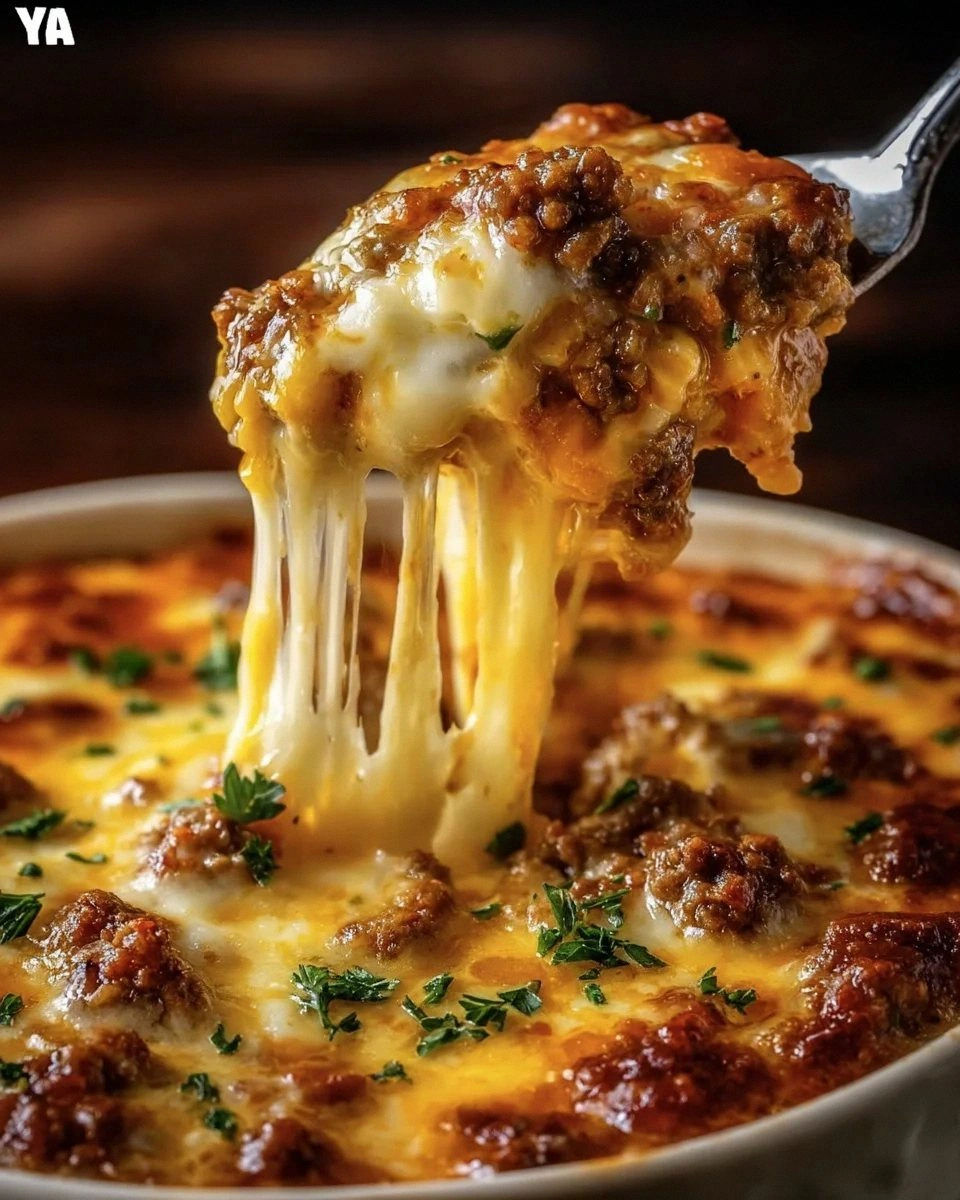
Most hash‑brown casseroles I’ve tried either turned out as a soggy mess or a dry brick that could double as a doorstop. This version, however, is the Goldilocks of casseroles—just right, every single time. I’ve tested it on a rainy Sunday brunch, a busy weekday breakfast rush, and even a late‑night game‑day snack run, and it never disappoints. The secret? A perfectly balanced blend of cream cheese and cheddar that creates a velvety custard, while the sausage adds that punch of savory goodness that makes you forget you’re eating something that technically belongs in the freezer aisle.
Okay, ready for the game‑changer? I’m about to walk you through every single step—by the end, you’ll wonder how you ever made this any other way. I dare you to taste this and not go back for seconds. Let’s get cooking, and remember: this next part? Pure magic.
What Makes This Version Stand Out
- Taste: The marriage of savory sausage, tangy cream cheese, and sharp cheddar creates a flavor profile that feels like a breakfast hug and a gourmet dinner rolled into one.
- Texture: A buttery, custardy interior meets a crisp, golden‑brown crust that shatters with every forkful, delivering that perfect contrast you crave.
- Simplicity: With just seven core ingredients and a single pan, you can pull this show‑stopper together without a PhD in culinary arts.
- Uniqueness: Most hash‑brown casseroles rely on milk and cheese alone; this one throws in cream cheese for a silk‑smooth mouthfeel that most recipes completely miss.
- Crowd Reaction: I’ve heard people exclaim, “Is this really a casserole?” and “I need the recipe now!” within seconds of the first bite.
- Ingredient Quality: Using high‑fat sausage and full‑fat cream cheese ensures the dish stays rich without drying out.
- Cooking Method: Baking at a high temperature locks in moisture while the top caramelizes, a technique most home cooks overlook.
- Make‑Ahead Potential: Assemble the night before, refrigerate, and pop it in the oven in the morning—perfect for lazy weekends.
Inside the Ingredient List
The Flavor Base
The breakfast sausage is the backbone of this casserole. Its fat renders into the dish, infusing every bite with a deep, meaty umami that you can’t replicate with plain bacon or turkey bacon. If you skip the sausage, you’ll lose that hearty foundation and end up with a flat, one‑dimensional flavor. For a leaner version, try turkey sausage, but be prepared for a slightly milder taste—add a pinch of smoked paprika to compensate.
Eggs act as the binding agent, turning the mixture into a custard‑like structure that holds the hash‑browns together. They also add a subtle richness that balances the salty sausage. If you’re allergic or vegan, consider using a plant‑based egg replacer, but the texture will shift toward a firmer crumb rather than a silky custard.
The Texture Crew
Frozen hash‑browns are the star of the show when it comes to texture. Their starchy composition creates that delightful crunch on the outside while staying fluffy inside. Thaw them just enough to break apart—over‑thawing makes them soggy, while completely frozen pieces won’t bake evenly. If you can’t find frozen hash‑browns, grated fresh potatoes work, but you’ll need to squeeze out excess moisture with a clean kitchen towel.
Cream cheese adds a luxurious silkiness that elevates the casserole from ordinary to extraordinary. Its high fat content ensures the custard stays moist and prevents the dish from drying out during the bake. Skipping it will result in a drier, less cohesive casserole—trust me, you don’t want that.
The Unexpected Star
Shredded cheddar cheese provides the finishing touch of sharpness and a golden melt that creates those coveted caramelized spots on top. The cheese also contributes a slight tang that cuts through the richness of the sausage and cream cheese. If you’re feeling adventurous, swap half the cheddar for pepper jack for a subtle kick.
The Final Flourish
A modest amount of milk loosens the egg‑cream cheese mixture, ensuring a smooth, pour‑able consistency that spreads evenly over the hash‑browns. Too much milk, however, will make the custard runny and prevent the top from crisping. Salt and pepper are the final seasoning—add them to taste, but remember the sausage and cheese already bring plenty of salt.
Everything's prepped? Good. Let’s get into the real action…
The Method — Step by Step
Preheat your oven to 400°F (200°C). While the oven warms up, line a 9‑by‑13‑inch baking dish with parchment paper. This prevents sticking and makes cleanup a breeze. The heat will be high enough to create that coveted crust without over‑cooking the interior.
Heat a large skillet over medium‑high heat and crumble the breakfast sausage, breaking it up with a wooden spoon. Cook until the sausage is browned and the fat has rendered, about 6‑8 minutes. As the sausage sizzles, you’ll hear that satisfying crackle that tells you flavor is being built.
Kitchen Hack: Drain excess fat into a heat‑proof bowl; reserve a tablespoon for later to add extra flavor to the custard.While the sausage cooks, whisk together the eggs, softened cream cheese, and milk in a large mixing bowl. Use a hand‑mixer on low speed to blend until the mixture is smooth and glossy—no lumps should remain. This step is crucial; a smooth custard ensures the casserole sets evenly. If you see streaks of cream cheese, keep mixing until they disappear.
Add the thawed hash‑browns to the skillet with the cooked sausage, spreading them out in an even layer. Toss gently to coat the potatoes with the sausage fat, which will add flavor and help the hash‑browns crisp up during baking. Let the mixture sit for 2‑3 minutes so the bottom starts to turn golden.
Transfer the sausage‑hashbrown mixture into the prepared baking dish, pressing down lightly with the back of a spatula to create a uniform base. This creates a stable platform for the custard to sit on, preventing it from sliding around as it bakes.
Pour the egg‑cream cheese custard over the hash‑brown base, using a spatula to spread it evenly. The custard should seep into the gaps, creating a cohesive bond. Sprinkle the shredded cheddar cheese over the top, covering the entire surface.
Watch Out: Do not over‑mix the custard after adding the cheese, or the cheese may clump and not melt uniformly.Season the top with a generous pinch of salt and freshly cracked black pepper. Remember, the sausage and cheese already bring a lot of salt, so taste before adding more. Slide the dish into the preheated oven and bake for 25‑30 minutes, or until the edges are bubbling and the top is a deep golden‑brown.
At the 20‑minute mark, rotate the pan 180 degrees to ensure even browning. The scent should now be intoxicating—think of a diner breakfast special combined with a bakery’s buttery aroma. If the top looks like it’s browning too fast, loosely cover with aluminum foil to prevent burning.
Remove the casserole from the oven and let it rest for 8‑10 minutes before cutting. This resting period allows the custard to set, making slices clean and tidy. While you wait, the kitchen will fill with a warm, comforting aroma that makes you want to dive right in. And now the fun part—slice, serve, and watch everyone’s faces light up.
Insider Tricks for Flawless Results
The Temperature Rule Nobody Follows
Most home cooks bake casseroles at 350°F, but the high heat of 400°F creates a caramelized crust while keeping the interior silky. If you’re using a convection oven, reduce the temperature by 25°F to avoid over‑browning. I once tried the lower temperature and ended up with a soggy center that resembled a puddle—lesson learned.
Why Your Nose Knows Best
Instead of watching the clock obsessively, trust the aroma. When the edges start to pull away from the pan and you smell a nutty, toasted scent, the casserole is ready. This sensory cue is more reliable than a timer because ovens vary.
The 5‑Minute Rest That Changes Everything
Allowing the casserole to sit after baking lets the custard firm up, making each slice hold its shape. Skipping this step results in a gooey mess that slides off the plate. I’ve seen a friend cut into a hot casserole and watch the middle collapse—don’t be that person.
Seasoning Layers for Depth
Season at three points: in the sausage while cooking, in the custard mixture, and finally on top before baking. Each layer builds depth, preventing a flat taste. If you miss one layer, the final product will feel one‑dimensional.
The Secret of Cream Cheese Softening
Let the cream cheese sit at room temperature for 15 minutes before mixing. This prevents lumps and ensures a silky custard. If you’re in a hurry, cut the block into small cubes and microwave for 10 seconds—just enough to soften without melting.
Creative Twists and Variations
This recipe is a playground. Here are some of my favorite ways to switch things up:
Southwest Sunrise
Swap the breakfast sausage for chorizo, add a handful of diced green chilies, and replace cheddar with pepper jack. The result is a spicy, vibrant casserole that pairs perfectly with avocado slices on the side.
Veggie‑Boosted Delight
Omit the sausage and increase the hash‑browns by 1 cup. Stir in sautéed spinach, diced bell peppers, and a sprinkle of feta cheese. This version is lighter but still indulgent thanks to the cream cheese base.
Cheesy Bacon Explosion
Crumble cooked bacon into the sausage mixture and fold in mozzarella along with the cheddar. The extra cheese creates a gooey pull that will have bacon lovers chanting your name.
Herb‑Infused Elegance
Add 1 tablespoon of fresh chopped thyme and a teaspoon of rosemary to the custard. The herbs bring an earthy aroma that elevates the dish from comfort food to brunch chic.
Sweet & Savory Fusion
Mix in a half cup of caramelized onions and a dash of maple syrup into the custard. The subtle sweetness balances the salty sausage, creating a complex flavor profile that’s perfect for a holiday brunch.
Storing and Bringing It Back to Life
Fridge Storage
Allow the casserole to cool completely, then cover tightly with foil or a reusable silicone lid. Store in the refrigerator for up to 4 days. When ready to reheat, preheat the oven to 350°F, add a splash of milk or water, and bake for 15‑20 minutes until heated through.
Freezer Friendly
Wrap the cooled casserole in a double layer of plastic wrap and then in aluminum foil. It freezes beautifully for up to 3 months. To reheat, thaw overnight in the fridge, then follow the same reheating method as the fridge version, adding a little extra liquid to revive the custard.
Best Reheating Method
The oven is your best friend for reheating because it restores the crisp top while warming the interior evenly. A microwave will make the crust soggy, so avoid it unless you’re in a real hurry. Remember to add a tiny splash of water or milk before reheating; the steam will bring the custard back to its original silkiness.