I’ve been chasing the holy grail of a protein-packed bowl for years, and the moment I finally cracked the code, I felt like I’d discovered a secret level in a video game. Picture this: I was in the middle of a late‑night kitchen raid, a half‑eaten taco from last night still clinging to my taste buds, when the idea struck—why not turn that taco into a full‑blown, sizzling, protein‑loaded fiesta that could power a marathon? The result is a High Protein Steak Fajita Bowl that feels like a midnight snack, a lunch, and a dinner all at once. It’s got that smoky, charred edge that whispers of a campfire, that creamy avocado that melts into the heat, and that tangy salsa that cuts through the richness like a bright summer breeze.
The first thing you notice is the aroma: the steak, seared to a caramelized crust, releases a scent that’s almost hypnotic. The peppers and onions sauté together, their sugars caramelizing into a sweet, savory syrup that clings to the meat. When the final splash of lime juice lands, the aroma lifts into a citrusy, almost floral note that makes your nose do a little happy dance. The texture is a study in contrast—crisp edges of pepper, tender steak, creamy avocado, and a sprinkle of cheese that melts into a golden, gooey blanket. The sound of the sizzling pan is a comforting, rhythmic backdrop that tells you everything is on track.
If you’ve ever tried a “fajita bowl” that feels like a limp salad or a bowl that’s too greasy, you’re not alone. Most recipes get this completely wrong by overcooking the steak or under seasoning the peppers, resulting in a dish that’s either dry or a soggy mess. What makes this version stand out is the balance of flavors and textures, the high protein punch that keeps you full, and the simplicity of the method that doesn’t demand a Michelin‑star kitchen. I dare you to taste this and not go back for seconds—trust me, you’ll find yourself reaching for the bowl again in seconds.
The secret sauce, if you will, is the way the steak is marinated and seared. I use a quick, bold spice mix that’s so simple you’ll wonder why you ever used complex marinades. The peppers are sliced just wide enough to hold their shape, and the onions are caramelized to a deep amber that adds a subtle sweetness. The avocado is sliced into thick, buttery cubes that hold their structure even when hot. The lime wedges aren’t just garnish; they’re an essential component that lifts every bite with a burst of citrusy brightness.
And the best part? By the time you’re done, the kitchen smells like a summer barbecue, even if it’s raining outside. Picture yourself pulling this out of the stove, the whole kitchen smelling incredible, and the bowl looking like a colorful, edible piece of art. Let me walk you through every single step—by the end, you’ll wonder how you ever made it any other way.
What Makes This Version Stand Out
- Taste: The steak is marinated in a blend of chili powder, cumin, smoked paprika, and oregano, giving it a smoky depth that pairs perfectly with the sweet peppers. The final squeeze of lime adds a bright counterpoint that cuts through the richness of the cheese and avocado.
- Texture: The steak is seared to a caramelized crust while remaining juicy inside. The peppers maintain a slight crunch, and the avocado provides a creamy contrast that melts in your mouth.
- Protein Power: With a full pound of flank steak and a generous portion of rice, this bowl packs a protein punch that’s perfect for post‑workout recovery or a filling lunch.
- Color Palette: The vibrant reds, greens, and golds make the dish visually stunning—almost too pretty to eat, but you’ll dig in anyway.
- Make‑Ahead Friendly: The components can be prepared a day ahead, and the bowl re‑heats beautifully, making it ideal for meal prep.
- Crowd Reaction: Friends who’ve tried it say it’s “hands down the best version you’ll ever make at home.” The combination of flavors and textures keeps them coming back for more.
Inside the Ingredient List
The Flavor Base
The flank steak is the star of the show, and its flavor is amplified by a quick, no‑time marination. A tablespoon of chili powder, a teaspoon of cumin, and half a teaspoon each of smoked paprika and oregano create a smoky, earthy profile that’s reminiscent of a slow‑roasted fire pit. If you’re craving a bit more heat, feel free to add a pinch of cayenne or a dash of hot sauce—just remember that the lime will still bring the acidity needed to balance the heat.
Olive oil is used not just to sear the steak but also to help the spices adhere to the meat’s surface. A tablespoon is enough to coat the steak without making it greasy. The oil also helps the steak develop a beautiful, caramelized crust that locks in moisture, giving you that coveted juicy bite.
The Texture Crew
Bell peppers and onions are the perfect textural companions to the steak. Two medium peppers, sliced into wide strips, provide a sweet crunch that contrasts with the soft, slightly caramelized onions. The onions, sliced into rings, release natural sugars when sautéed, creating a golden, caramelized base that adds depth.
Garlic, minced or finely chopped, is added early in the cooking process to infuse the oil and the steak with a pungent, aromatic base. Three cloves are enough to deliver a punch without overpowering the other flavors. The garlic’s sharpness cuts through the richness of the cheese and avocado, creating a balanced bite.
The Unexpected Star
The lime wedges are not just a garnish; they’re a vital component that brightens the entire dish. The acidity of lime cuts through the fat of the steak and the richness of the cheese, creating a harmonious flavor profile. The lime also adds a subtle herbal note that ties together the smoky spices and sweet vegetables.
The Final Flourish
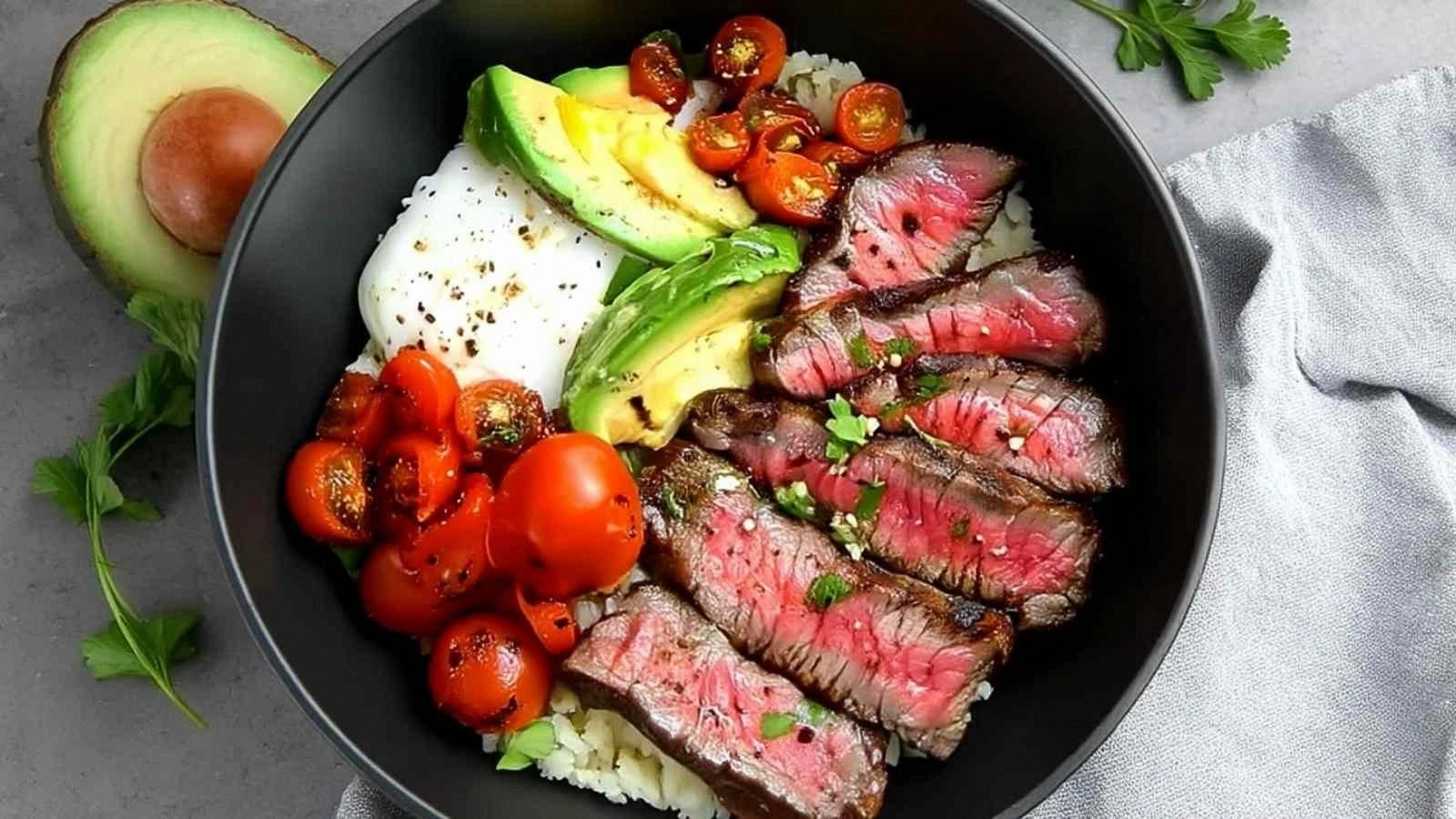
The final touches—cheddar cheese, salsa, avocado, fresh cilantro, and lime wedges—add layers of richness, spice, and freshness. The shredded cheddar melts into a golden, velvety coating that clings to the steak and vegetables, while the salsa provides a tangy, slightly sweet contrast. Avocado slices bring a buttery texture that balances the heat and adds healthy fats. Fresh cilantro adds a bright, herbal finish, and the lime wedges finish the dish with a burst of citrusy brightness.
Everything’s prepped? Good. Let’s get into the real action.
The Method — Step by Step
- Start by slicing the flank steak into thin, bite‑size strips. The thinner you slice, the quicker it will cook, and the more surface area it will have for the spices to cling. Make sure the steak is at room temperature; this helps it sear evenly and prevents steaming.
- In a small bowl, combine the chili powder, cumin, smoked paprika, oregano, salt, and black pepper. Mix until the spices are evenly distributed. This dry rub will form a flavorful crust on the steak.
- Pat the steak strips dry with paper towels, then sprinkle the spice mix evenly over both sides. Gently press the spices into the meat, ensuring each piece is coated. Let the steak rest for 10 minutes—this allows the spices to penetrate and the flavors to meld.
- Heat a large skillet or cast‑iron pan over medium‑high heat. Add the olive oil, swirling to coat the bottom. The oil should shimmer, but not smoke—if it starts smoking, lower the heat.
- Add the steak strips in a single layer, working in batches if necessary to avoid overcrowding. Sear for 2–3 minutes on each side until a dark, caramelized crust forms. The steak should still be slightly pink in the middle for a juicy finish. Use a spatula to flip; the sound of the sizzling is pure music.
- Remove the steak from the pan and set aside. In the same pan, add the sliced onions and bell peppers. Sauté for 4–5 minutes until the vegetables are tender but still retain a slight crunch. Add the minced garlic in the last minute of cooking to avoid burning.
- Return the steak to the pan and stir to combine with the vegetables. Pour in the salsa, and let the mixture simmer for 2 minutes, allowing the flavors to mingle. The salsa will thicken slightly, coating the steak and veggies.
- Divide the cooked rice into four bowls. Spoon the steak and vegetable mixture over the rice, then sprinkle with shredded cheddar cheese. The heat from the steak will melt the cheese into a silky, golden layer.
- Add slices of avocado on top, followed by a handful of fresh cilantro leaves. Finish each bowl with a squeeze of lime juice, a lime wedge on the side, and a sprinkle of extra chili powder if desired. Serve immediately, letting the bowl be a canvas for each bite to be personalized.
That’s it—you did it. But hold on, I’ve got a few more tricks that will take this to another level and make it even more memorable.
Insider Tricks for Flawless Results
The Temperature Rule Nobody Follows
Many people think a high heat is always best, but the truth is a medium‑high setting gives you the best sear without burning. Keep the pan hot enough that the steak sizzles immediately, but not so hot that the oil smokes. If you notice the steak starting to smoke, lower the heat slightly; if it’s not searing, increase it a touch. This subtle balance is what gives the steak that coveted caramelized crust.
Why Your Nose Knows Best
The aroma of the sizzling steak is a reliable indicator of doneness. When the steak releases a rich, nutty smell and the oil starts to bubble, it’s a sign you’re close to the right sear. Trust your nose—it’s the best tool in the kitchen for judging the quality of your sear.
The 5‑Minute Rest That Changes Everything
After searing, let the steak rest on a plate for exactly five minutes. This allows the juices to redistribute throughout the meat, resulting in a juicier bite. During this rest, you can finish sautéing the peppers and onions, saving time and ensuring the steak stays hot.
The Power of the Final Crunch
If you want that extra crunch, sprinkle a handful of toasted pepitas or chopped nuts on top before serving. The nuts add a nutty flavor and a satisfying crunch that contrasts beautifully with the creamy avocado and melted cheese.
The Cheese Melt Trick
Instead of sprinkling the cheese on top, fold it into the hot steak mixture for a minute before plating. The heat will melt the cheddar into a silky sauce that coats every bite, enhancing the overall flavor profile.
Creative Twists and Variations
This recipe is a playground. Here are some of my favorite ways to switch things up:
Spicy Chipotle Kick
Swap the chili powder for chipotle powder and add a splash of adobo sauce. This gives the bowl a smoky, slightly sweet heat that pairs wonderfully with the creamy avocado.
Mediterranean Flair
Use feta cheese instead of cheddar, and add a handful of kalamata olives. The briny olives and tangy feta add a Mediterranean twist that’s surprisingly refreshing.
Vegan Power Bowl
Replace the steak with marinated tofu or tempeh, and use a plant‑based cheese or nutritional yeast for a cheesy flavor. This version is high in protein and perfect for a meatless day.
Sweet & Smoky BBQ
Swap the salsa for a smoky BBQ sauce and add a handful of roasted sweet potato cubes. The sweet potato adds a subtle sweetness that balances the smoky flavors.
Breakfast Bowl
Serve the bowl with a fried egg on top and a sprinkle of chives. The runny yolk adds richness, and the chives give a fresh, oniony note.
Low‑Carb Edition
Replace the rice with cauliflower rice and reduce the salsa to half. The cauliflower adds fiber and keeps the dish low in carbs while maintaining the same flavor profile.
Storing and Bringing It Back to Life
Fridge Storage
Store the cooked components—steak, peppers, onions, and rice—in separate airtight containers. Keep the avocado slices separate until you’re ready to serve, as they can brown quickly. When you’re ready to eat, reheat the steak and vegetables in a skillet over medium heat, then add the avocado last.
Freezer Friendly
The steak and vegetables can be frozen for up to 2 weeks. Reheat in a skillet until hot, then add the rice and avocado. For best results, thaw the steak in the fridge overnight before reheating.
Best Reheating Method
Reheat the bowl in a skillet or microwave, but add a splash of water or broth before reheating. This steams the dish back to perfection, preventing the rice from drying out and the cheese from becoming rubbery.