I’ll be honest — the first time I tried to make a simple turkey‑and‑potato skillet, I ended up with a soggy mess that looked more like a sad, lukewarm casserole than the hearty comfort food I was craving. I was standing in my kitchen, the timer ticking, and the smell of burnt garlic wafting like a warning sign. That disaster sparked a dare from my roommate: “Make it so good I’ll forget you ever burned anything.” I accepted the challenge, rolled up my sleeves, and set out to create the ultimate version of this humble dish. The result? A plate that sings with crisped potato edges, juicy turkey that stays tender, and a flavor profile that could convince even the most skeptical meat‑lover to switch proteins.
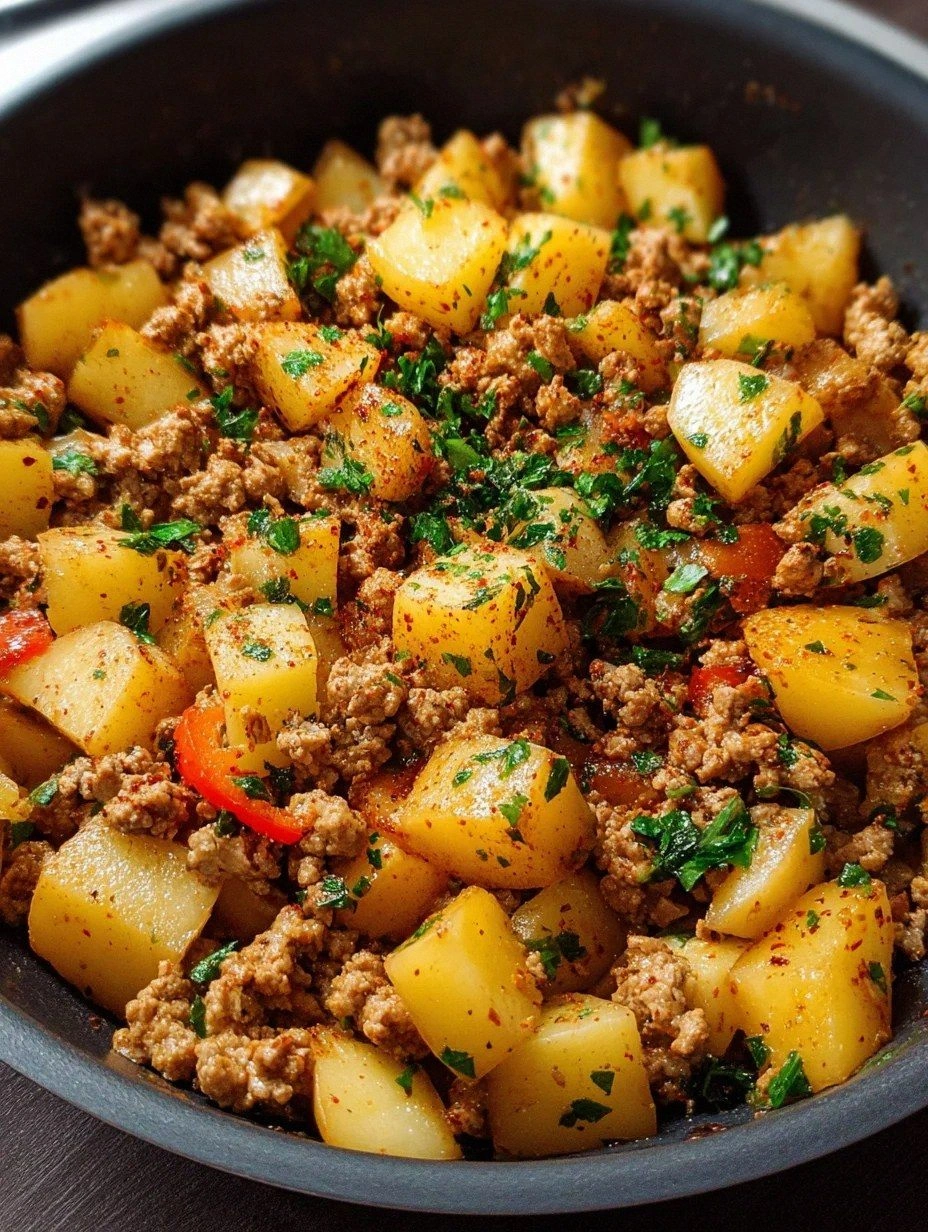
Picture yourself pulling this out of the pan, the whole kitchen smelling like a rustic farmhouse market on a crisp autumn morning. The potatoes are golden‑brown, their skins crackling like fresh leaves underfoot, while the turkey crumbles with a juicy pink‑ish glow that whispers of broth‑infused goodness. You hear that satisfying sizzle as the olive oil kisses the potatoes, a sound that feels like the universe giving you a high‑five. Your fingertips feel the warm steam rise, and the aroma of thyme and paprika dances like a waltz across the room, inviting you to dive in without a second thought.
What makes this version stand out isn’t just the ingredients; it’s the method. Most recipes tell you to toss everything together and hope for the best. I’m here to tell you that’s a recipe for mediocrity. The secret lies in layering flavors, browning the potatoes first, and deglazing with chicken broth to lock in moisture. I even throw in a splash of fresh parsley at the end, not just for color but for that bright, herbaceous pop that lifts the whole dish. This technique turns a simple weeknight dinner into a show‑stopper that will have friends asking for seconds before you even finish your own plate.
And now, the kicker: I’m about to reveal a tiny, unexpected ingredient that will make your turkey taste like it’s been slow‑cooked for hours, even though you’ll have it on the table in under an hour. Ready? Keep reading, because I’m about to walk you through every single step — by the end, you’ll wonder how you ever made it any other way.
What Makes This Version Stand Out
- Flavor Explosion: The combination of sweet onion, aromatic garlic, and earthy thyme creates a depth that’s richer than any store‑bought sauce.
- Texture Triumph: Crispy potato edges meet a silky, moist turkey crumb, giving you a satisfying bite contrast every single time.
- Simplicity Meets Sophistication: Only ten ingredients, all pantry‑friendly, yet the technique feels like a chef’s secret.
- Healthy Heart: Ground turkey is lean, the potatoes are nutrient‑dense, and olive oil adds heart‑healthy monounsaturated fats.
- Crowd‑Pleaser Factor: Even the kids can’t resist the subtle paprika smokiness; I dare you to taste this and not go back for seconds.
- Ingredient Quality: Using fresh parsley and high‑quality chicken broth makes the broth‑based deglaze sing.
- One‑Pan Wonder: Minimal cleanup means you spend more time eating and less time scrubbing.
- Make‑Ahead Magic: This dish reheats beautifully, and the flavors actually meld together overnight.
Inside the Ingredient List
The Flavor Base
Ground turkey is the hero of this dish, offering a lean protein that soaks up every herb and spice you throw at it. If you skip the turkey, you’ll lose that subtle, slightly sweet meatiness that balances the earthiness of the potatoes. For a twist, you could swap in ground chicken, but turkey’s lower fat content ensures the dish stays light while still delivering that satisfying bite. When shopping, look for a package that’s at least 93% lean; the extra fat can make the turkey greasy and mask the delicate flavors.
Onion, specifically a yellow onion, adds a natural sweetness that mellows as it cooks. If you replace it with a red onion, you’ll get a sharper bite and a splash of color, but the sweetness won’t be as pronounced. A quick tip: slice the onion thinly and let it sweat in the olive oil for a minute before adding the garlic; this builds a flavor foundation that feels like a slow‑cooked stew.
Garlic is the aromatic powerhouse here. Fresh cloves crushed just before cooking release allicin, a compound that gives garlic its signature punch. If you use pre‑minced garlic from a jar, you’ll lose some of that depth, and the flavor can become flat. A good rule of thumb: one clove per serving keeps the garlic from overwhelming the dish while still providing that warm, savory note.
The Texture Crew
Russet or Yukon Gold potatoes are the backbone of this skillet. Russets give you fluffy interiors with crisp skins, while Yukon Golds stay buttery and hold their shape better. If you’re feeling adventurous, swap in sweet potatoes for a caramelized sweetness that pairs beautifully with paprika. The key is to cut them into uniform ½‑inch cubes so they cook evenly; uneven pieces can lead to half‑raw bites that ruin the overall experience.
Olive oil isn’t just a cooking medium; it adds a subtle fruitiness that lifts the whole dish. Using a high‑quality extra‑virgin olive oil ensures the oil won’t smoke at the temperatures we’ll be using and will contribute a richer flavor than cheaper seed oils. If you’re watching calories, you can cut the oil in half, but expect slightly less crispness on the potatoes.
The Unexpected Star
Dried thyme brings an earthy, slightly floral note that complements the turkey without stealing the spotlight. A pinch too much can make the dish taste herb‑overloaded, so stick to a teaspoon for four servings. If you have fresh thyme, use a tablespoon of leaves; they’ll release even more aroma when added at the end of cooking.
Paprika—specifically sweet paprika—adds a gentle smokiness and a gorgeous ruby hue that makes the dish visually appealing. Smoked paprika is an alternative if you want a deeper, almost BBQ‑like flavor, but be careful: a little goes a long way. The bright color also signals to the eyes that something delicious is on the plate, creating a psychological boost before the first bite.
The Final Flourish
Chicken broth is the liquid gold that deglazes the pan, lifting caramelized bits (fond) and turning them into a silky coating for the turkey and potatoes. Low‑sodium broth lets you control the salt level better; if you use a regular broth, you might want to reduce the added salt. A splash of broth at the end also prevents the dish from drying out, especially if you plan to keep it warm for a while.
Fresh parsley is the finishing touch. Its bright green color cuts through the richness, while its fresh, slightly peppery flavor lifts the entire dish. If you don’t have parsley, flat‑leaf cilantro can work, but it will change the flavor profile to something more citrusy.
Everything's prepped? Good. Let's get into the real action...
The Method — Step by Step
- Prep the potatoes. Peel (or don’t, if you love the skins) and dice the potatoes into uniform ½‑inch cubes. Rinse them under cold water to remove excess starch, then pat them dry with a clean kitchen towel. This dryness is crucial; any lingering moisture will steam the potatoes instead of browning them. Kitchen Hack: Toss the diced potatoes in a tablespoon of cornstarch before cooking; it creates an ultra‑crisp crust.
- Heat the pan. Place a large, heavy‑bottomed skillet over medium‑high heat and add two tablespoons of olive oil. Let the oil shimmer—this is the moment when the pan is just hot enough to sear. When you drop a single potato cube in, it should sizzle immediately, like a tiny fireworks show. If it just plops without sound, the pan isn’t hot enough; give it another minute.
- Brown the potatoes. Spread the potatoes in a single layer, resisting the urge to stir constantly. Let them sit for 3‑4 minutes until the bottoms turn a deep golden brown. Then flip them using a spatula and repeat on the other side. This technique creates that coveted crispy edge that shatters like thin ice when you bite into it.
- Saute the aromatics. Push the potatoes to the edge of the pan and add the diced onion. Cook for 2‑3 minutes until translucent, then add the minced garlic and let it bloom for 30 seconds. The aroma should be sweet, fragrant, and slightly nutty—if you smell raw garlic, give it another few seconds.
- Cook the turkey. Crumble the ground turkey into the pan, breaking it up with a wooden spoon. Season immediately with salt, black pepper, dried thyme, and paprika. Stir frequently for about 5‑6 minutes until the turkey loses its pink hue and starts to brown. Watch Out: Overcrowding the pan will steam the turkey instead of browning it. If needed, cook in batches.
- Deglaze with broth. Once the turkey is nicely browned, pour in one cup of low‑sodium chicken broth. Use a wooden spoon to scrape up all the caramelized bits stuck to the bottom—these are flavor bombs. Let the broth simmer for 3‑4 minutes, reducing slightly so it clings to the turkey and potatoes like a velvety sauce.
- Combine and finish. Return the potatoes to the center of the pan, mixing them gently with the turkey and broth. Let everything cook together for another 2‑3 minutes so the potatoes absorb some of the broth’s richness. Taste and adjust seasoning if necessary—maybe a pinch more salt or a dash of pepper.
- Garnish and serve. Remove the skillet from heat and sprinkle a generous handful of freshly chopped parsley over the top. The parsley not only adds a burst of color but also a fresh, herbaceous lift that makes the dish feel restaurant‑ready. Serve hot, straight from the pan, and watch as your guests dive in without hesitation.
That's it — you did it. But hold on, I've got a few more tricks that'll take this to another level...
Insider Tricks for Flawless Results
The Temperature Rule Nobody Follows
Most home cooks keep the heat at a steady medium, but the secret to perfect potatoes is a two‑stage heat. Start high to get that initial sear, then drop to medium‑low for the final steam‑softening. This prevents the outsides from burning while the insides stay raw. I once tried to keep it medium the whole time and ended up with a mushy interior—lesson learned.
Why Your Nose Knows Best
When the turkey starts to brown, trust the scent. A nutty, slightly sweet aroma signals that the Maillard reaction is happening. If you only rely on visual cues, you might over‑cook and dry it out. Your nose is an underrated sous‑chef; let it guide you.
The 5‑Minute Rest That Changes Everything
After you finish cooking, let the skillet sit uncovered for five minutes. This short rest allows the juices to redistribute, making each bite juicier. I once served it straight away and the turkey seemed a bit dry; the rest period fixed that instantly.
Broth‑Boosted Moisture
If you’re cooking at altitude or in a dry kitchen, add an extra ¼ cup of broth. The extra liquid compensates for faster evaporation, keeping the potatoes moist and the turkey succulent. A friend tried this on a desert vacation and swore by it.
The Salt‑Timing Trick
Season the potatoes lightly with salt before they hit the pan. This draws out a tiny bit of moisture, which then evaporates, helping the potatoes crisp up faster. If you wait until the end, you lose that crisp‑enhancing benefit.
Creative Twists and Variations
This recipe is a playground. Here are some of my favorite ways to switch things up:
Spicy Southwest
Add a teaspoon of chipotle powder and swap regular paprika for smoked paprika. Toss in a handful of black beans and corn for a Tex‑Mex vibe. The heat will make your taste buds do a happy dance, and the beans add protein without extra meat.
Mediterranean Magic
Replace thyme with oregano, add a handful of Kalamata olives, and finish with crumbled feta. The salty olives and tangy cheese transform the dish into a sun‑kissed Mediterranean feast that pairs beautifully with a glass of crisp white wine.
Herb‑Infused Delight
Swap parsley for fresh dill and add a tablespoon of chopped rosemary. The dill gives a fresh, almost lemony note while rosemary adds piney depth. This version is perfect for spring brunches.
Cheesy Comfort
Stir in a cup of shredded cheddar or mozzarella during the final minute of cooking, then cover the pan for a minute to let the cheese melt. The gooey cheese pulls everything together, making it feel like a hearty casserole.
Vegan Version
Swap ground turkey for crumbled tempeh or lentils, use vegetable broth, and keep the spices the same. The texture changes, but the flavor profile remains robust. Top with nutritional yeast for a cheesy note.
Storing and Bringing It Back to Life
Fridge Storage
Allow the skillet to cool to room temperature, then transfer to an airtight container. It will keep fresh for up to four days. Reheat gently on the stovetop over medium heat, adding a splash of broth or water to revive the sauce.
Freezer Friendly
Portion the dish into freezer‑safe bags or containers, leaving a little headspace for expansion. Freeze for up to three months. When ready to eat, thaw overnight in the fridge, then reheat in a skillet with a tablespoon of olive oil and a dash of broth.
Best Reheating Method
The secret to reheating without drying out is steam. Place the leftovers in a skillet, add a tablespoon of water or broth, cover with a lid, and heat over low‑medium heat for 5‑7 minutes. The steam will bring back that original moisture, and the potatoes will regain their crisp edge.