Picture this: I’m standing in my kitchen, the timer on the oven has just pinged, and I’ve got a half‑cooked chicken that looks like it survived a minor war. I was supposed to be making a quick weeknight dinner, but the chaos of the day turned my pan into a battlefield. The chicken was dry, the rice was a soggy mess, and I was on the verge of ordering pizza when I remembered that one secret trick I learned from a Greek aunt who swore by “dump‑and‑bake” magic. I tossed the chicken, the rice, the broth, and a dollop of tangy Greek yogurt into a single pan, and the rest, as they say, was history.
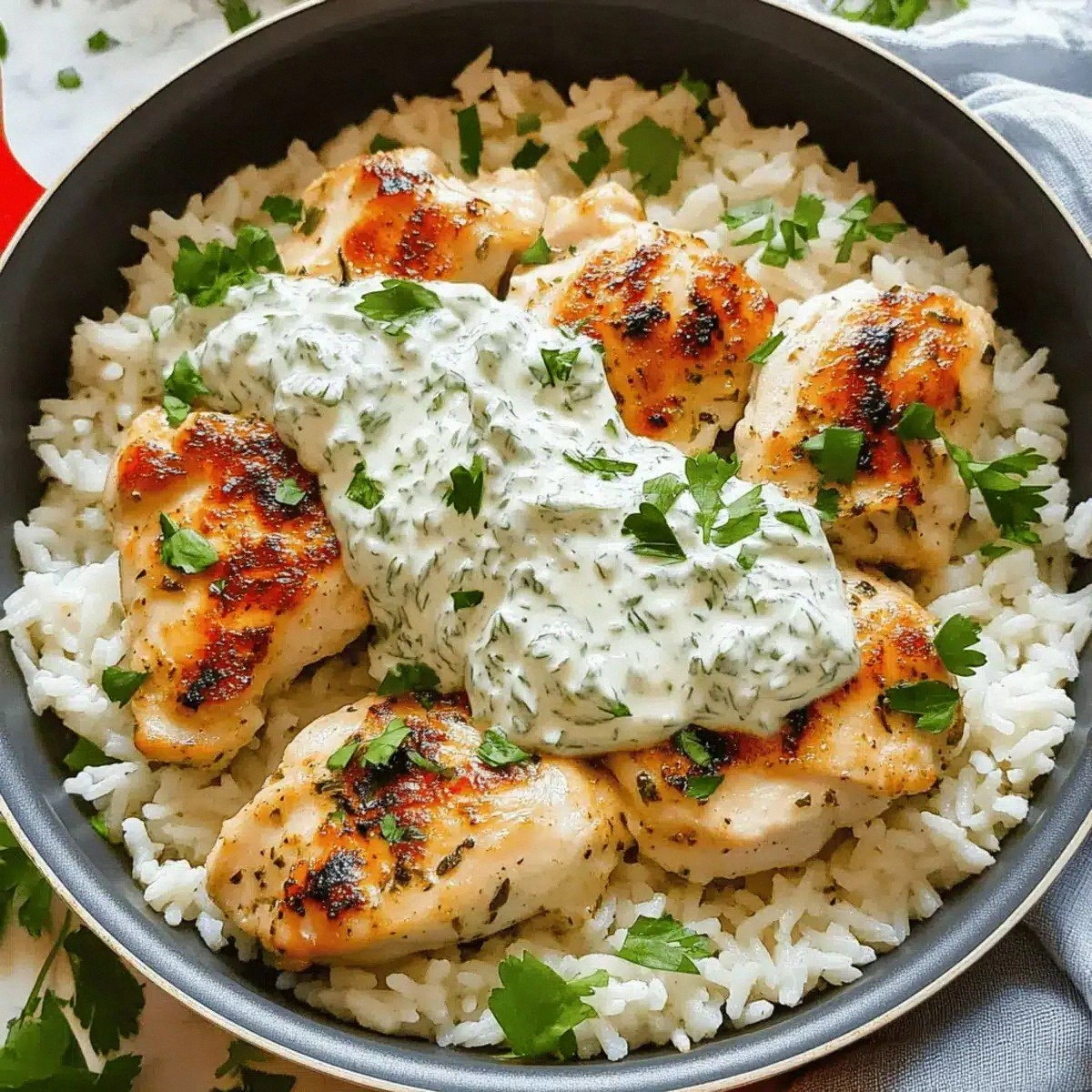
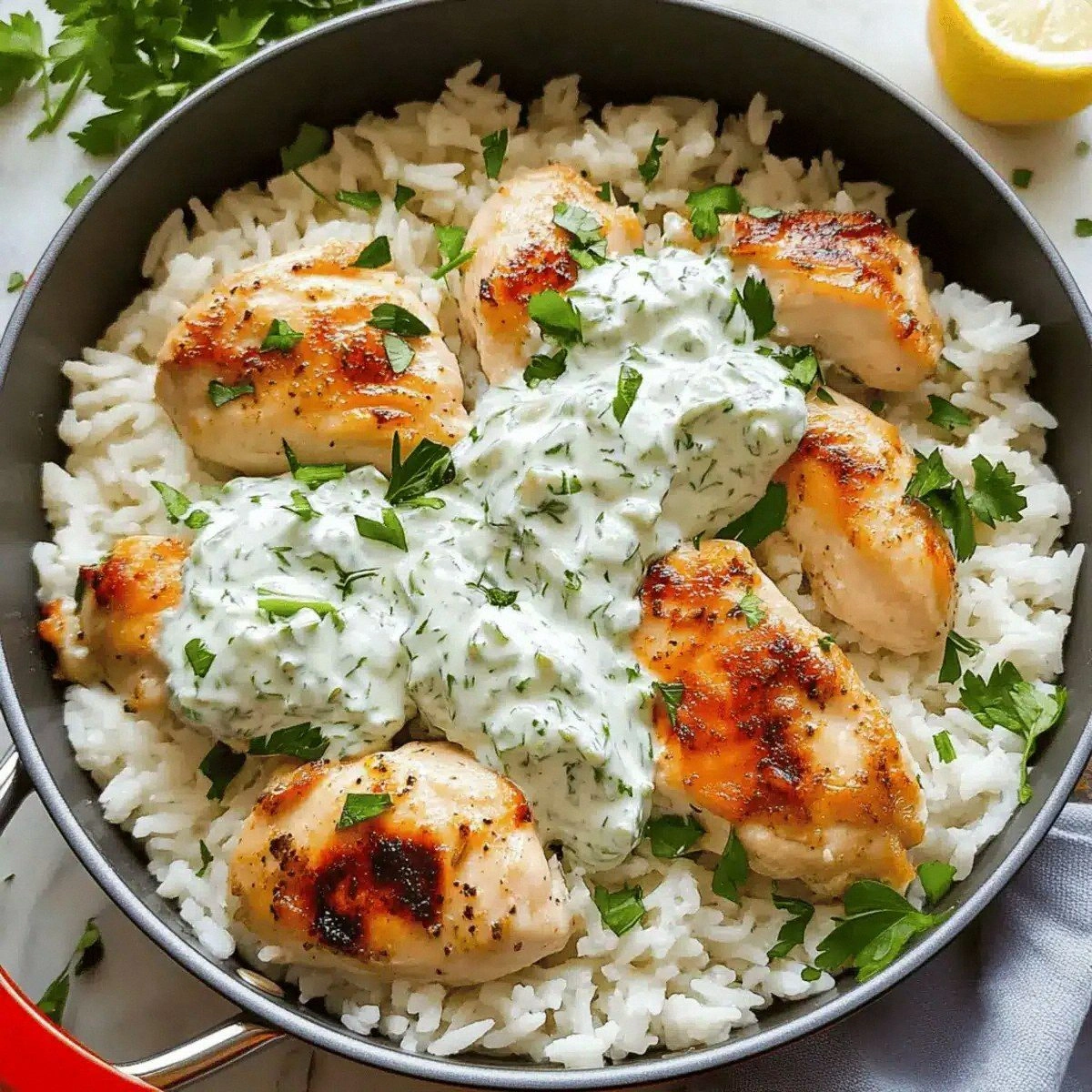
The moment the lid was lifted, a wave of citrus‑bright aroma hit me like a summer breeze over the Aegean. The steam carried whispers of dill, lemon, and a hint of garlic that made my mouth water before I even took a bite. The rice was fluffy, each grain separate yet lovingly soaked in the chicken broth, while the chicken turned a gorgeous golden‑brown, its surface crisped just enough to give that satisfying crunch that shatters like thin ice under a fork. And the tzatziki‑style sauce? It clung to everything like velvet, cooling the heat of the oven with its creamy, tangy embrace.
Why does this version stand out from every other chicken‑and‑rice recipe you’ve ever tried? Most recipes treat the components as separate acts—cook the rice, grill the chicken, whip up a sauce, then mash them together at the end. This dump‑and‑bake method fuses them all in one pan, allowing flavors to meld while you’re barely lifting a finger. The result is a dish that’s simultaneously simple and sophisticated, a one‑pan wonder that feels like a restaurant‑level plate without the pretension. I dare you to taste this and not go back for seconds; the combination is so addictive it practically writes its own fan club.
But here’s the kicker: I’m about to reveal a tiny ingredient that most chefs overlook—a splash of lemon juice added at the very end, right before serving. This brightens the entire dish, cutting through the richness of the yogurt and broth, and it’s the secret weapon that turns good into unforgettable. Okay, ready for the game‑changer? Let me walk you through every single step — by the end, you’ll wonder how you ever made it any other way.
What Makes This Version Stand Out
- Taste: The tangy tzatziki sauce meets the savory broth, creating a flavor harmony that’s both bright and comforting.
- Texture: Fluffy rice, crisped chicken edges, and a creamy sauce that coats each bite like a silk scarf.
- Simplicity: One pan, one dump, one bake—no extra pots, no juggling timelines.
- Uniqueness: Combining Greek tzatziki with classic chicken‑and‑rice in a bake is a twist most home cooks never imagine.
- Crowd Reaction: Even the pickiest eaters can’t resist the aroma; it’s a proven crowd‑pleaser at family dinners.
- Ingredient Quality: Using Greek yogurt and fresh dill elevates the dish from everyday to extraordinary.
- Cooking Method: The oven’s even heat ensures the rice cooks perfectly while the chicken browns beautifully.
- Make‑Ahead Potential: This dish stores well, making leftovers taste just as good—if not better—after a night in the fridge.
Alright, let's break down exactly what goes into this masterpiece...
Inside the Ingredient List
The Flavor Base
The cornerstone of any great dish is its flavor foundation, and here it’s the combination of Greek yogurt, lemon juice, garlic powder, and dried dill. Greek yogurt brings a thick, creamy tang that behaves like a sauce and a tenderizer all at once. Lemon juice adds that bright, citrus snap that cuts through the richness—think of it as the high‑note in a symphonic dish. Garlic powder offers a mellow, even heat without the risk of burning, while dried dill delivers that unmistakable Mediterranean herbaceous punch. Skip any of these, and you’ll lose the signature tzatziki vibe that makes this recipe sing.
The Texture Crew
Long‑grain white rice is the unsung hero here. Its slender grains stay separate when cooked, providing a fluffy bed for the chicken to rest on. The chicken itself—whether you choose breasts or thighs—adds protein and, when baked, develops a golden crust that’s delightfully crisp on the edges. Chicken broth is the liquid gold that infuses the rice with savory depth, ensuring every bite is moist but never mushy. If you accidentally use short‑grain rice, expect a stickier texture that can turn the dish into a risotto‑like mess.
The Unexpected Star
Fresh herbs, specifically dill or parsley, are the final flourish. They’re not just garnish; they add a burst of freshness that lifts the entire plate. A quick chop right before serving preserves their bright green color and aromatic oils. If you’re out of dill, parsley works as a decent stand‑in, though the flavor profile shifts toward earthy rather than slightly sweet. When selecting herbs, always opt for bunches that are vibrant, not wilted—freshness is key to that garden‑like aroma.
The Final Flourish
Salt and pepper are the silent conductors. A pinch of salt amplifies all the other flavors, while black pepper adds a subtle heat that balances the lemon’s acidity. I like to season the chicken pieces directly before dumping everything into the pan; this ensures every bite is seasoned evenly. If you’re watching sodium, you can reduce the added salt but be mindful not to under‑season, as the broth already contains some salt.
Everything's prepped? Good. Let's get into the real action...
The Method — Step by Step
Preheat your oven to 375°F (190°C). While it’s warming up, line a 9‑x‑13‑inch baking dish with parchment paper. This not only prevents sticking but also makes the eventual cleanup feel like a breeze. I always like to give the parchment a quick spray of olive oil—just enough to coat—so the chicken skins get that gorgeous crisp without sticking.
Season the chicken pieces generously with salt, pepper, garlic powder, and dried dill. I’m talking a light dusting on each side; the spices should cling like a fine dust, not a heavy coating. Let the chicken sit for a minute while you prepare the rice; this short rest allows the seasoning to penetrate the meat, ensuring every bite is flavorful.
Spread the uncooked long‑grain rice evenly across the bottom of the prepared dish. Pour the chicken broth over the rice, making sure it covers the grains completely. The broth should be just enough to submerge the rice but not so much that it pools excessively—think of a shallow sea where the rice can swim.
Place the seasoned chicken pieces on top of the rice, arranging them in a single layer. This layout ensures the heat circulates evenly, allowing the chicken to brown while the rice absorbs the flavorful broth. If you’re using a mix of breasts and thighs, tuck the thighs in the center where they’ll stay juicier.
In a separate bowl, whisk together the Greek yogurt, lemon juice, and a splash of the hot chicken broth (about ¼ cup). This tempering step prevents the yogurt from curdling when it meets the heat later. The mixture should be smooth, slightly runny, and emit a fresh citrus scent that makes your kitchen feel like a Mediterranean patio.
Kitchen Hack: Use a fork to gently swirl the yogurt mixture into the pan after the first 15 minutes of baking; this creates pockets of creamy sauce throughout the dish.Cover the dish tightly with aluminum foil. This traps steam, ensuring the rice cooks evenly and the chicken stays moist. Place the covered dish in the preheated oven and bake for 25 minutes. Around the 20‑minute mark, you’ll hear a gentle hiss—this is the steam escaping through the foil’s edges, a sign that the rice is absorbing the broth perfectly.
After 25 minutes, remove the foil carefully (watch out for hot steam!). Drizzle the yogurt‑lemon mixture over the chicken and rice, then return the dish to the oven, uncovered, for an additional 10‑12 minutes. This final bake lets the sauce set and the chicken skin turn a gorgeous golden‑brown. The edges should start pulling away from the pan, creating that coveted crispness.
Watch Out: If you leave the dish uncovered for too long, the yogurt can dry out and form a crust; keep an eye on the color and remove it as soon as the top looks glossy and slightly caramelized.While the dish finishes baking, finely chop fresh dill or parsley. Sprinkle the herbs over the top the moment you pull the casserole out of the oven. The heat will wilt the herbs just enough to release their aroma without losing their bright green color.
Let the casserole rest for five minutes before serving. This short rest allows the juices to redistribute, ensuring each forkful is moist and evenly flavored. Serve straight from the pan, or transfer to a serving platter for a more polished presentation. And now the fun part—dig in and experience that perfect blend of creamy, tangy, and savory flavors.
That's it — you did it. But hold on, I've got a few more tricks that'll take this to another level...
Insider Tricks for Flawless Results
The Temperature Rule Nobody Follows
Most home cooks set the oven to a high heat and expect the rice to cook in 15 minutes. The truth is, a moderate 375°F gives the rice time to absorb the broth without turning gummy, while still allowing the chicken skin to crisp. If you’re in a rush, you can bump it up to 400°F, but you’ll need to reduce the cooking time by about five minutes and keep a very close eye on the sauce to prevent it from curdling.
Why Your Nose Knows Best
Before you even open the oven, trust your sense of smell. When the broth has been fully absorbed, you’ll detect a faint, nutty aroma from the rice. If you smell a raw, starchy scent, give it another couple of minutes. This sensory cue is far more reliable than a timer, especially if you’ve altered the ingredient quantities.
The 5‑Minute Rest That Changes Everything
Allowing the casserole to sit for five minutes after baking is a game‑changer. During this rest, the steam inside the pan continues to gently re‑hydrate the rice, and the chicken’s juices settle back into the meat. Skipping this step results in a drier bite and a less cohesive flavor profile. Think of it as the “curtain call” for your dish.
Seasoning Layers for Depth
Don’t rely on a single seasoning step. Lightly salt the rice before adding the broth, then season the chicken separately. This layered approach builds depth, ensuring the final dish isn’t flat. A friend once tried to skip the chicken seasoning, and the result was a bland, watery casserole that even the yogurt couldn’t rescue.
Pan Choice Matters
A heavy‑bottomed baking dish distributes heat evenly, preventing hot spots that could scorch the bottom rice layer. If you use a thin glass dish, you may notice the rice at the edges turning golden and a bit crunchy—a texture some love, but it can be uneven. Investing in a sturdy ceramic or cast‑iron pan pays off in consistency.
Fresh vs. Dried Dill Debate
Fresh dill offers a bright, slightly sweet note, while dried dill provides an earthy, concentrated flavor. I recommend using both: a teaspoon of dried dill in the seasoning mix and a tablespoon of fresh chopped dill as a garnish. This dual approach creates a complex herb profile that’s hard to achieve with either alone.
Creative Twists and Variations
This recipe is a playground. Here are some of my favorite ways to switch things up:
Spicy Sriracha Kick
Stir a tablespoon of sriracha into the yogurt‑lemon mixture before drizzling it over the casserole. The heat pairs beautifully with the cooling yogurt, creating a sweet‑heat balance that will wow anyone who loves a little spice.
Veggie‑Packed Version
Add a cup of chopped zucchini, bell peppers, or spinach to the rice before baking. The vegetables release moisture, making the dish even more tender, and they add color that makes the plate pop.
Middle‑Eastern Flair
Swap the dried dill for a teaspoon of ground cumin and a pinch of cinnamon. Finish with toasted pistachios and a drizzle of pomegranate molasses for a sweet‑savory twist that feels exotic.
Cheesy Upgrade
Mix half a cup of crumbled feta into the yogurt mixture. The feta adds a salty tang that complements the lemon and dill, turning the dish into a Greek-inspired comfort food.
Low‑Carb Swap
Replace the long‑grain rice with cauliflower rice. The cooking time drops dramatically, and you get a lighter version that still carries all the bold flavors of the original.
One‑Pot Pasta Alternative
Swap the rice for 8 ounces of short pasta (like penne). Add an extra ½ cup of broth to ensure the pasta cooks through. This creates a creamy, tzatziki‑infused pasta bake that’s perfect for pasta lovers.
Storing and Bringing It Back to Life
Fridge Storage
Allow the casserole to cool completely, then transfer it to an airtight container. It will keep for up to four days in the refrigerator. When reheating, add a splash of water or broth to the top before microwaving or baking; this creates steam that revives the rice’s fluffiness.
Freezer Friendly
Portion the cooled casserole into freezer‑safe bags or containers. It freezes beautifully for up to three months. Thaw overnight in the fridge, then reheat in a 350°F oven for 20‑25 minutes, covered with foil to prevent drying out.
Best Reheating Method
For the crispiest chicken edges, reheat uncovered on a baking sheet at 375°F for the last five minutes of the reheating cycle. If you prefer a softer texture, cover with foil for the entire reheating period. A tiny splash of water before reheating ensures the rice stays moist and the sauce stays glossy.