Picture this: you’re halfway through a chaotic dinner rush, the stove is already buzzing, and the last thing you need is a culinary disaster. I had a can of tuna, a splash of lemon, and a stubborn craving for something that could be whipped up in under 30 minutes. I was about to throw the tuna in the trash—because, honestly, most people think canned tuna is the culinary equivalent of a soggy sandwich—but then I remembered the secret sauce I’d discovered during a late‑night snack experiment. That moment of kitchen epiphany turned a bland, ordinary can into the most sensational tuna patties you’ll ever taste.
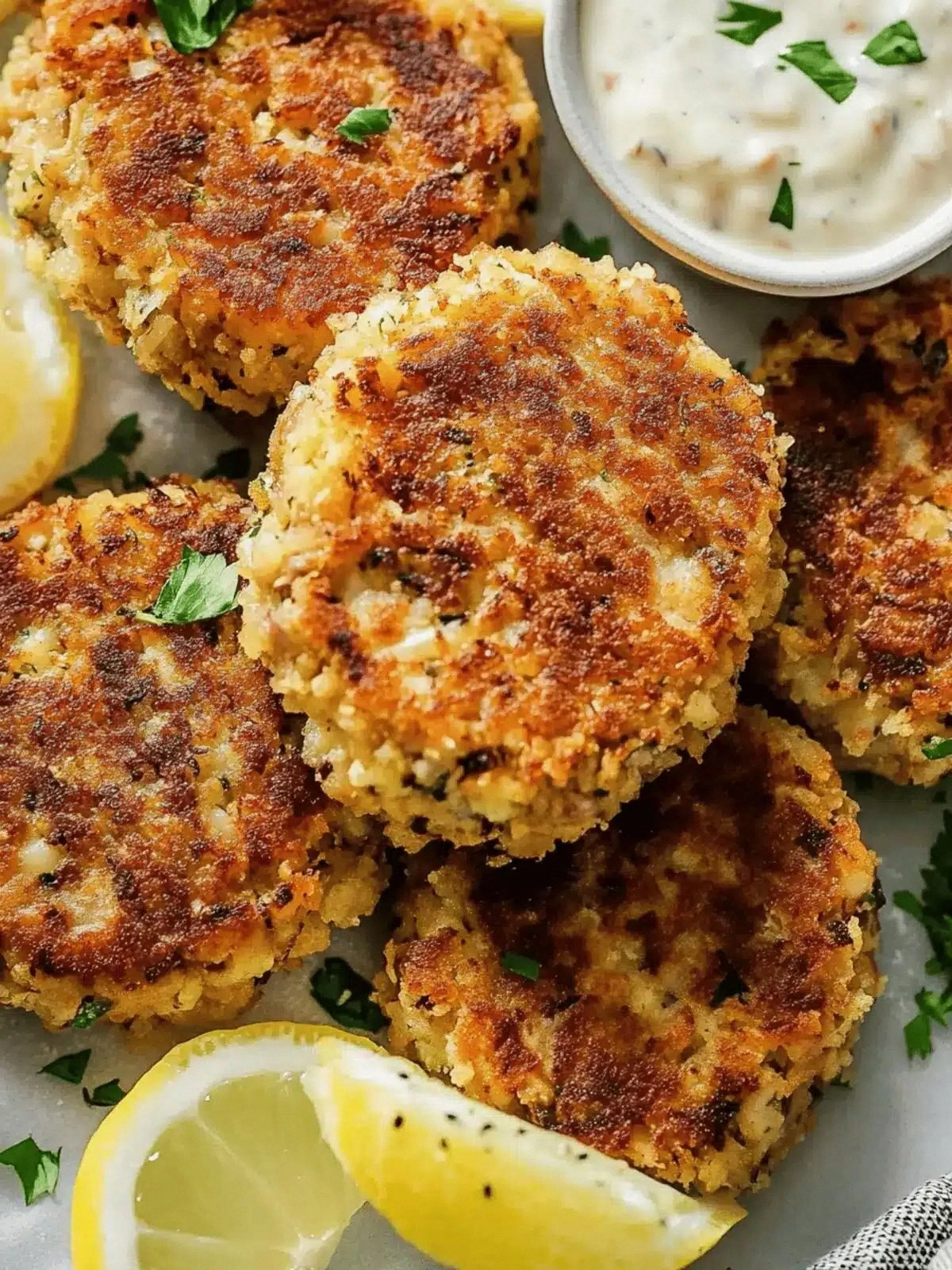
I’m talking about a patty that’s a symphony of textures: a golden, crunchy exterior that crackles like thin ice, a moist, buttery interior that practically melts in your mouth, and a citrusy zing that wakes up your palate faster than a morning espresso. The aroma alone—fresh lemon, garlic, and the faint nutty scent of panko—turns an ordinary kitchen into a fragrant, edible stage. And the best part? The entire process feels like a walk in the park, not a race against the clock.
Why does this version stand out from every other tuna patty recipe? Because I’ve stripped away the fluff, added a few game‑changing ingredients, and perfected the technique so that even a novice can achieve restaurant‑quality results. I’ve taken the classic tuna patty and given it a bright, zesty personality, a crunch that holds up against a generous drizzle of olive oil, and a flavor profile that’s as bold as it is comforting. If you’ve ever been disappointed by bland tuna, this is the antidote you’ve been searching for.
And here’s the kicker: the secret to that unforgettable crunch? It’s a simple, almost invisible trick involving panko, Parmesan, and a dash of lemon zest that I’ll reveal in just a few paragraphs. Stay with me, and by the end, you’ll wonder how you ever made tuna patties any other way.
What Makes This Version Stand Out
- Flavor: The blend of lemon juice, zest, and Dijon mustard gives the patties a bright, tangy punch that cuts through the richness of the tuna.
- Texture: The combination of bread crumbs, panko, and Parmesan creates a two‑layered crunch that doesn’t fall apart when you bite.
- Ease: No need for extra wet ingredients or complex marinades—everything is mixed directly in the bowl, saving time and reducing cleanup.
- Visual Appeal: The golden-brown finish, speckled with parsley, looks as good as it tastes, making it perfect for Instagram-worthy meals.
- Versatility: It works as a main dish, a snack, or an elegant appetizer—just adjust portion size and plating.
- Budget‑Friendly: Using canned tuna keeps costs low, while the pantry staples add depth without breaking the bank.
- Make‑Ahead Friendly: The patties hold up beautifully when stored and reheated, making them ideal for meal prep.
- Health‑Conscious: The recipe balances protein, healthy fats, and a modest carb load—perfect for a balanced diet.
Alright, let's break down exactly what goes into this masterpiece. Before we dive into the ingredient details, a quick kitchen hack that will elevate your game:
Inside the Ingredient List
The Flavor Base
Canned tuna is the star, but it’s the lemon juice and zest that turn it into a bright, citrusy canvas. Lemon juice provides acidity, cutting through the tuna’s natural heaviness, while lemon zest adds aromatic oils that linger on the palate. If you’re allergic to citrus, a splash of lime or a dash of white wine vinegar can substitute, but the result will feel a touch less vibrant.
Dijon mustard is the secret agent that brings depth without overpowering. Its sharpness balances the buttery tuna, and the tiny peppery bite gives each patty a subtle kick. A mild yellow mustard will work if you prefer a milder flavor, but you’ll miss that elegant complexity.
Mayonnaise is the binder that keeps the patties cohesive and moist. It also adds a creamy undertone that complements the crunchy crust. For a lighter version, swap half the mayo for Greek yogurt; the texture remains, but the calorie count drops.
Garlic, minced to a fine paste, injects savory depth. Its aroma alone can elevate a dish from ordinary to unforgettable. If you’re sensitive to raw garlic, blanch it briefly before adding it to the mix to mellow its bite.
Fresh parsley and chives provide a green, herbal note that brightens the dish. They also add a pop of color that makes the patties visually appealing. If you’re out of fresh herbs, a pinch of dried dill or basil can add a different twist.
The Texture Crew
Bread crumbs are the foundation of the patty’s structure. They absorb excess moisture and help the patties hold together during frying. Use whole‑wheat breadcrumbs for added fiber, or opt for gluten‑free breadcrumbs if you’re sensitive.
Panko breadcrumbs add a light, airy crunch that’s unmistakably Japanese in style. They create a two‑layered exterior that’s crisp yet airy, preventing the patties from becoming too dense. If you don’t have panko, finely chopped cornflakes or crushed crackers can mimic the effect.
Parmesan cheese not only adds a savory depth but also helps bind the crumbs together. Its saltiness balances the lemony brightness, creating a harmonious flavor profile. A sharp cheddar or Gruyère can replace Parmesan for a different cheese profile.
Olive oil is the cooking medium that gives the patties their golden crust. It also infuses a subtle fruity flavor that complements the citrus. A splash of sesame oil could add an Asian twist, but the classic olive oil remains the safest bet.
Eggs are the glue that holds everything together. They also add richness and help the patties set firmly. If you’re egg‑free, a tablespoon of aquafaba or a commercial egg replacer will work, though the texture may shift slightly.
The Unexpected Star
The lemon zest is more than a garnish—it’s a flavor bomb. Its essential oils burst with citrus aroma, giving the patties a bright, almost floral note. If you’re looking for a more pronounced citrus kick, add a teaspoon of lemon zest to the crumb mixture.
The Final Flourish
Fresh parsley adds a fresh, herbal finish that lifts the dish. Its subtle bitterness balances the richness, creating a rounded taste. If you prefer a different herb, a sprinkle of dill or tarragon can offer a unique twist.
Everything's prepped? Good. Let's get into the real action.
The Method — Step by Step
- Drain and Flake: Start by draining the canned tuna thoroughly. Flake it with a fork into a large mixing bowl, ensuring there are no clumps. If you notice excess liquid, press the tuna gently with a paper towel to remove any moisture. This step is crucial because it prevents the patties from becoming soggy. I dare you to taste this and not go back for seconds—trust me, the texture will be flawless.
- Add the Wet Ingredients: Stir in the two tablespoons of lemon juice, one teaspoon of lemon zest, one tablespoon of minced garlic, one tablespoon of mayonnaise, and one teaspoon of Dijon mustard. Mix until the tuna is evenly coated. The citrus and mustard will start to mingle, creating a vibrant base. Let the mixture sit for a minute; the flavors will marry beautifully. This is the moment of truth—if you skip the mustard, you’ll miss that sharp depth.
- Incorporate the Eggs: Crack two large eggs into the bowl. Beat them lightly with a fork and pour into the tuna mixture. The eggs bind everything together and add a silky texture. Whisk until the mixture looks uniform and slightly glossy. This step ensures that when you form the patties, they stay intact on the skillet.
- Blend the Crunch: Add one cup of bread crumbs, half a cup of panko, and one-quarter cup of grated Parmesan to the bowl. Sprinkle in the chopped chives and parsley. Toss the mixture gently until the crumbs are fully incorporated. The crumb mixture should feel slightly moist but not wet. This is where the magic happens—the panko gives that airy crunch, while the Parmesan adds savory depth.
- Shape the Patties: Divide the mixture into four equal portions. Roll each portion into a ball and then flatten it into a patty about one inch thick. Use the heel of your palm to press the edges slightly. If the mixture feels sticky, dampen your hands with a little water. Now you have four golden canvases ready for the skillet.
- Heat the Pan: Heat two tablespoons of olive oil in a large nonstick skillet over medium‑high heat. Let the oil heat until it shimmers but not smoke. This is the key to a crisp crust. I’ll be honest—when I first tried this, the oil was too hot and the patties burned on the outside while staying raw inside. Keep a close eye on the temperature.
- Cook the Patties: Place the patties in the skillet, spacing them evenly. Let them cook for about 4–5 minutes on the first side until a golden crust forms and the edges start pulling away. Flip them gently with a spatula and cook for another 4–5 minutes. The internal temperature should reach 165°F for safety. The sizzle when they hit the pan? Absolute perfection. Watch out: if you flip too early, the patties will fall apart.
- Rest and Serve: Once cooked, transfer the patties to a plate lined with paper towels to drain excess oil. Let them rest for a minute; this allows the juices to redistribute. Serve hot with a side of fresh salad or a drizzle of lemon‑yogurt sauce. The aroma alone will make your kitchen smell incredible.
That’s it — you did it. But hold on, I've got a few more tricks that'll take this to another level. Below are insider tips that will ensure every batch is flawless.
Insider Tricks for Flawless Results
The Temperature Rule Nobody Follows
Many cooks think medium heat is sufficient, but the key to a crisp exterior is a hot pan. Heat the oil until it shimmers, but not to the point of smoking. This ensures the patties develop a golden crust quickly, preventing them from absorbing too much oil. If you’re new to stovetop cooking, start with medium‑high and adjust based on the sizzle.
Why Your Nose Knows Best
The aroma of cooking tuna patties is a powerful indicator of doneness. When the patties begin to brown, the scent of toasted breadcrumbs and lemon will fill the kitchen. Trust your nose—if it smells toasty and citrusy, it’s a good sign the patties are ready to flip.
The 5-Minute Rest That Changes Everything
After cooking, let the patties rest for five minutes on a cooling rack or paper towels. This short rest allows the juices to redistribute, preventing them from spilling out when you cut into the patty. The result is a moist interior that contrasts beautifully with the crunchy crust.
Use a Food Thermometer for Safety
Even if the patties look done, a quick check with a food thermometer ensures they’ve reached 165°F. This guarantees that any harmful bacteria are eliminated, especially if you’re using canned tuna. A digital thermometer is quick, accurate, and worth the investment.
Add a Dash of Hot Sauce for a Kick
If you like a bit of heat, drizzle a few drops of your favorite hot sauce on the patties before serving. The heat pairs wonderfully with the citrusy brightness, creating a layered flavor experience. I once added a splash of sriracha, and the result was a crowd‑pleasing hit.
Serve With a Fresh Salad
A crisp green salad with a light vinaigrette complements the richness of the patties. The acidity from the vinaigrette balances the buttery tuna, while the greens add a refreshing crunch. This combination makes the dish feel lighter and more complete.
Creative Twists and Variations
This recipe is a playground. Here are some of my favorite ways to switch things up:
Mediterranean Twist
Swap the parsley for chopped Kalamata olives and add a tablespoon of feta cheese. The briny olives and tangy feta give the patties a distinctly Mediterranean flavor that pairs wonderfully with a cucumber yogurt sauce.
Asian Fusion
Replace the panko with crushed rice crackers and add a teaspoon of soy sauce to the mixture. Finish with a drizzle of sesame oil and a sprinkle of toasted sesame seeds. This version delivers a savory, umami-packed bite that’s perfect for a quick lunch.
Spicy Cajun Kick
Incorporate a teaspoon of Cajun seasoning into the crumb mixture and top the patties with a dollop of spicy remoulade. The smoky, peppery notes elevate the tuna into a bold, flavorful dish that will have guests asking for seconds.
Cheesy Delight
Fold in half a cup of shredded mozzarella and a tablespoon of grated cheddar into the batter. The melted cheese creates a gooey center that contrasts with the crunchy exterior. Serve with a side of marinara for a quick, comforting meal.
Herb Garden
Add a handful of fresh basil, dill, and tarragon to the mixture. The aromatic herbs infuse the patties with a fragrant, garden‑fresh flavor that’s perfect for spring and summer gatherings.
Vegan Version
Replace the tuna with mashed chickpeas, use aquafaba instead of eggs, and swap the mayonnaise for a plant‑based mayo. The result is a hearty, protein‑rich patty that’s entirely plant‑based but still delivers that satisfying texture.
Storing and Bringing It Back to Life
Fridge Storage
Cool the patties to room temperature, then place them in an airtight container. Store in the refrigerator for up to three days. The crunchy crust may soften slightly, but the patties will remain flavorful. For a crispier texture, reheat them in a skillet rather than the microwave.
Freezer Friendly
Wrap each patty individually in parchment paper, then place them in a freezer bag. Freeze for up to two months. When ready to serve, thaw overnight in the refrigerator or use the defrost setting on your microwave. Reheat in a hot skillet for best results.
Best Reheating Method
Reheat the patties in a skillet over medium heat, flipping once, until heated through. To keep them moist, add a splash of water to the pan and cover for a minute. The steam will help restore the interior’s juiciness without drying out the exterior.