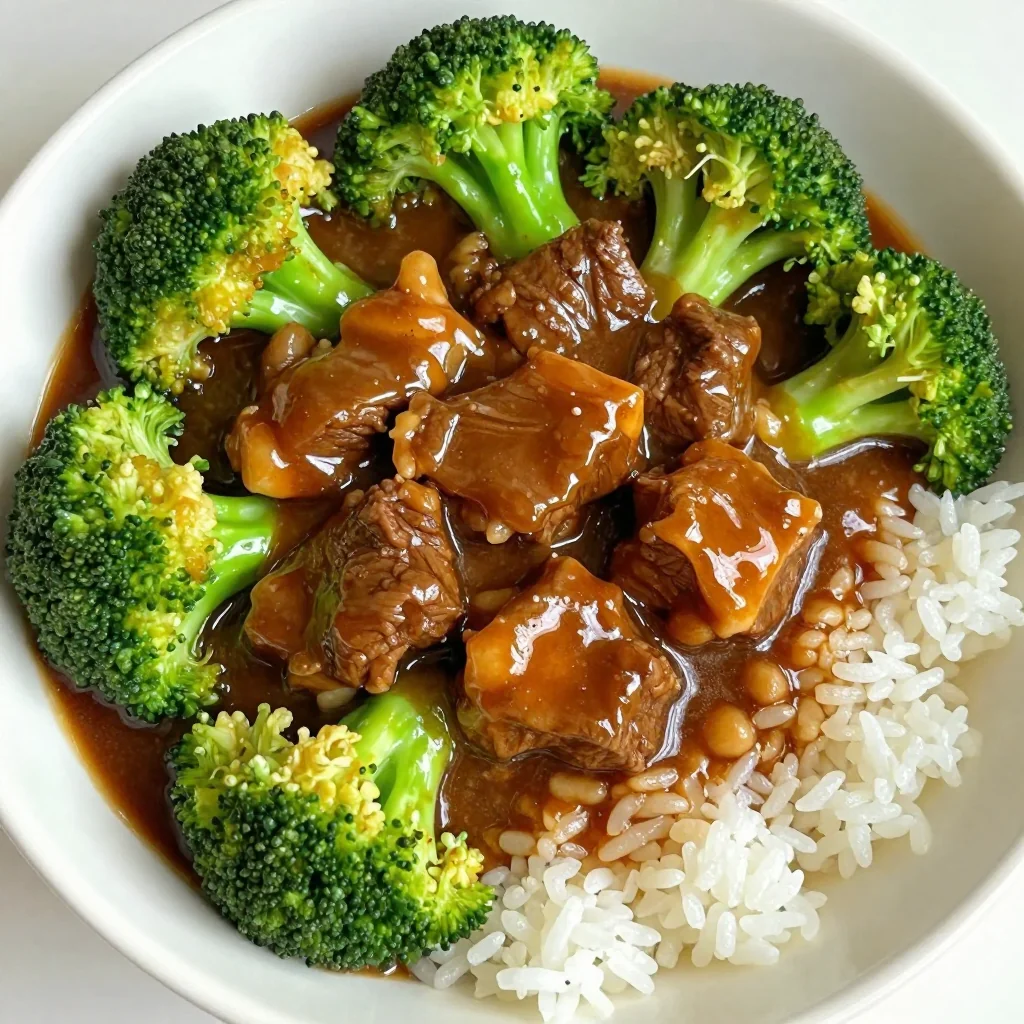
Picture this: you’re in the middle of a chaotic week, the fridge is a barren wasteland, and a friend texts you a dare—“Make something that looks like a rainbow and tastes like a hug.” I laughed, but then I remembered the humble beet, that deep‑purple powerhouse that can turn any dish into a work of art. I grabbed a bag of fresh beets, tossed them into the oven, and what happened next was nothing short of culinary fireworks. The kitchen filled with a sweet, earthy aroma that made the whole house feel like a farmer’s market on a sunny Saturday. That moment sparked the birth of my ultimate 7‑Layer Beet Salad, a dish that’s as bold in flavor as it is in color.
Most beet salads I’ve tried before were either a soggy mess of wilted greens or a bland stack of boiled veggies that looked like a toddler’s finger painting. I was determined not to settle for “just okay.” I wanted something that would make people pause, stare, and then immediately dive in with a fork, eyes widening at each vibrant layer. This version is the answer to that craving: each layer is meticulously prepared, seasoned, and set to complement the next, creating a symphony of textures that dance on your palate. The beets stay bright, the potatoes stay fluffy, the carrots stay sweet, and the dressing ties everything together with a creamy tang that’s pure magic.
Now, you might be thinking, “Beet salad? That’s basic.” Hold that thought. I’m about to reveal a technique that most recipes completely skip: a quick glaze for the beets that locks in their natural sweetness while giving them a glossy finish that looks restaurant‑ready. And trust me, I dare you to taste this and not go back for seconds. It’s hands down the best version you’ll ever make at home, and I’m spilling every secret—from the exact roasting temperature to the perfect ratio of mayo to sour cream—so you can replicate the wow factor without any guesswork.
Okay, ready for the game‑changer? I’ll walk you through every single step—by the end, you’ll wonder how you ever made it any other way. So roll up your sleeves, keep that sense of adventure alive, and let’s dive into the colorful world of the 7‑Layer Beet Salad.
What Makes This Version Stand Out
- Depth of Flavor: Each layer is seasoned individually, so you get a burst of sweet earthiness from the beets, a buttery note from the potatoes, and a subtle peppery snap from the carrots.
- Texture Harmony: The contrast between the tender beets, the firm potatoes, and the creamy dressing creates a mouthfeel that’s both comforting and exciting.
- Simplicity Meets Sophistication: With just a handful of pantry staples and a few fresh veggies, you get a dish that feels upscale without demanding a culinary degree.
- Show‑Stopping Visuals: The seven distinct layers form a rainbow of reds, oranges, and whites that looks spectacular on any table, making it perfect for potlucks or holiday spreads.
- Crowd‑Pleaser Reputation: I’ve watched strangers turn into friends over a single bite, and that’s the kind of social glue you need at gatherings.
- Ingredient Quality: Using fresh, locally sourced beets and potatoes amplifies the natural sweetness, while a touch of Dijon mustard adds a sophisticated zing.
- Cooking Method Mastery: Roasting the beets instead of boiling preserves their color and intensifies flavor, a trick most recipes miss.
- Make‑Ahead Friendly: Assemble the salad a day ahead, chill, and the flavors meld beautifully, saving you stress on the day of the event.
Inside the Ingredient List
The Flavor Base
The heart of any great salad starts with a well‑balanced dressing. In this recipe, a blend of mayonnaise, sour cream, Dijon mustard, and a splash of apple cider vinegar creates a tangy, creamy coat that hugs each vegetable without drowning them. The mayo provides richness, the sour cream adds a subtle tang, the mustard injects a mild heat, and the vinegar lifts the overall brightness. If you skip the mustard, you’ll lose that nuanced kick that makes the layers sing together. For a dairy‑free twist, swap the sour cream for coconut yogurt and the mayo for avocado‑based mayo.
The Texture Crew
Our trio of beets, potatoes, and carrots each contributes a unique bite. The beets, roasted to perfection, bring a soft, melt‑in‑your‑mouth feel with a sweet earthiness. The potatoes, boiled and diced, add a fluffy, buttery texture that balances the beet’s density. Carrots, boiled just until tender, deliver a slight crunch and natural sweetness that cuts through the richness of the dressing. If you over‑cook the carrots, they’ll become mushy and lose that essential snap.
The Unexpected Star
Peas are the surprise guest that adds a pop of bright green and a touch of sweetness that contrasts the deep reds. They also bring a pleasant bite that prevents the salad from feeling too uniform. Skipping peas means losing that visual contrast and a hidden layer of flavor. If peas aren’t your thing, try edamame or even diced apples for a sweet‑tart twist.
The Final Flourish
Hard‑boiled eggs, sliced thin, crown the salad with a silky richness that ties everything together. The yolk’s mellow flavor and creamy texture meld with the dressing, while the whites add a subtle protein boost. Red onion, finely chopped, lends a faint sharpness that cuts through the richness, rounding out the flavor profile. If you’re not a fan of raw onion, soak the chopped pieces in cold water for five minutes to mellow the bite.
Everything's prepped? Good. Let’s get into the real action—where we transform these humble ingredients into a masterpiece that will have everyone asking for the recipe.
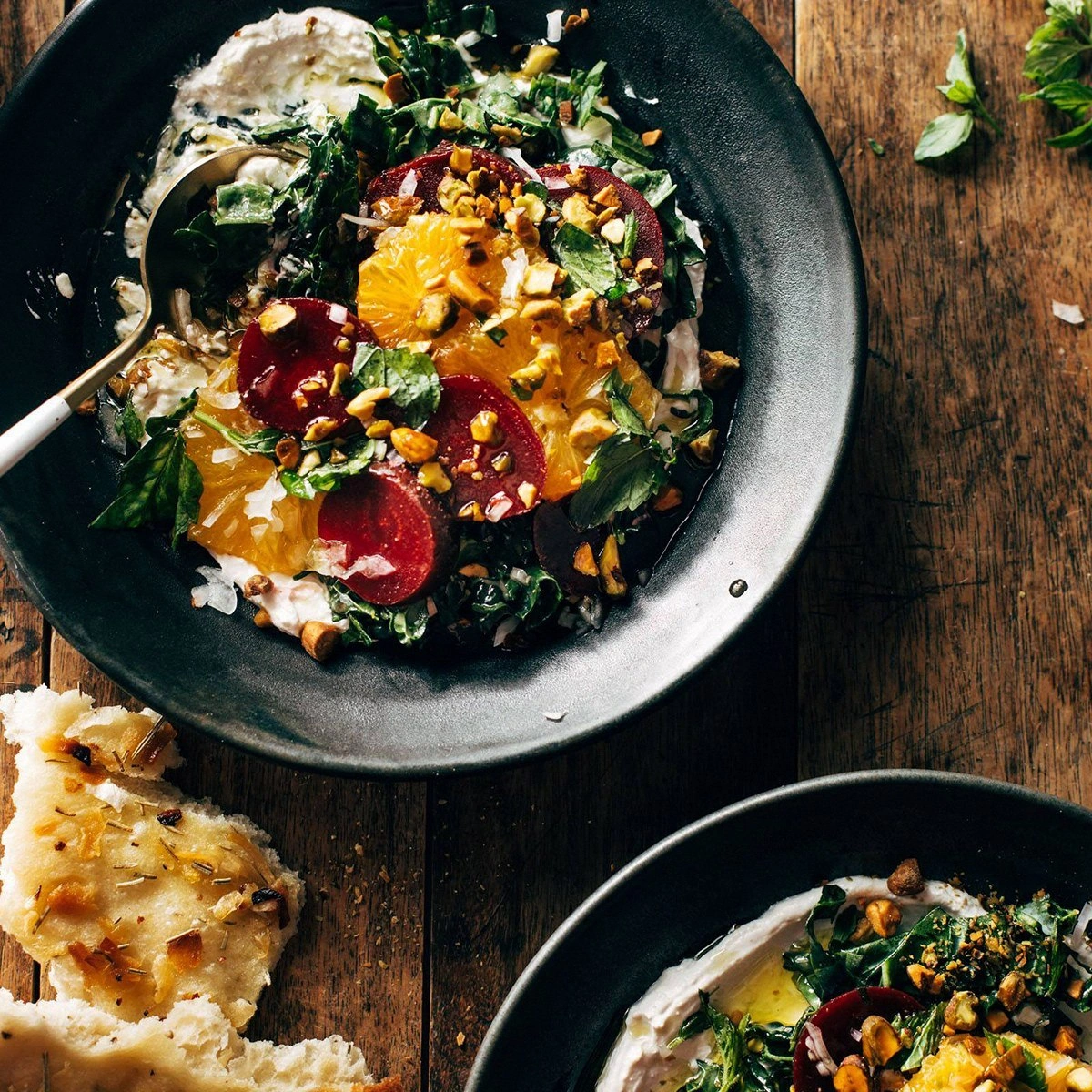
The Method — Step by Step
Preheat your oven to 425°F (220°C). While the oven warms up, scrub the beets clean, trim the tops and roots, and wrap each beet individually in aluminum foil with a drizzle of olive oil. This foil‑wrap technique traps steam, ensuring the beets stay moist and their color stays vivid. Roast for about 45‑55 minutes, or until a fork slides in with barely resistance. The kitchen will fill with a sweet, earthy perfume that says, “We’re about to create something unforgettable.”
While the beets are roasting, place the potatoes (peeled and cubed) and carrots (peeled and sliced) into separate pots of salted boiling water. Boil the potatoes for 10‑12 minutes until fork‑tender, then drain and let steam off for a minute. Boil the carrots for 6‑8 minutes—just enough to soften but still retain a slight bite. Drain both and spread them on a clean kitchen towel to dry; excess moisture will make the salad soggy later.
Kitchen Hack: After draining, return the potatoes and carrots to the hot pan for 30 seconds. This quick “dry‑sauté” evaporates surface moisture and gives them a subtle, caramelized edge.While the veggies are still warm, dice the roasted beets into ½‑inch cubes. If you’re nervous about the beets turning gray, immediately toss the cubes in a tablespoon of lemon juice—this acid shields the color and adds a zing that lifts the entire salad.
Prepare the dressing in a medium bowl: combine ½ cup mayonnaise, ¼ cup sour cream, 1 tbsp Dijon mustard, and 1 tsp apple cider vinegar. Whisk until smooth, then season with salt and black pepper to taste. The dressing should be thick enough to coat a spoon, yet pourable. If it feels too stiff, add a splash of milk or water—just a teaspoon at a time.
Now the fun part: layering. Take a clear glass or a shallow ceramic dish (the clearer, the better for visual impact). Start with a generous spoonful of the dressing at the bottom—this prevents the first vegetable layer from sticking to the dish. Then, evenly spread the diced beets as the first colorful layer. Follow with a layer of boiled potatoes, then carrots, then peas, then sliced hard‑boiled eggs, and finally a thin veil of the remaining dressing. Finish with a sprinkle of finely chopped red onion and a few sprigs of fresh dill for that herbaceous perfume.
Watch Out: When layering the peas, make sure they’re fully thawed and patted dry. Wet peas release water during chilling, turning the lower layers soggy.Cover the assembled salad with plastic wrap, pressing it gently against the surface to eliminate air pockets. Refrigerate for at least 2 hours, but preferably overnight. This resting period lets the flavors meld, the dressing seep into every bite, and the colors settle into a harmonious palette.
When you’re ready to serve, bring the dish to the table and let guests admire the layers before diving in. For an extra wow factor, drizzle a thin ribbon of balsamic reduction over the top or scatter toasted pumpkin seeds for crunch. The salad should look glossy, vibrant, and inviting—like a work of edible art.
Finally, taste and adjust. If the salad feels a touch too heavy, a squeeze of fresh lemon juice brightens it instantly. If you crave more depth, a pinch of smoked paprika scattered on top adds a subtle smoky undertone that elevates the entire dish.
That’s it — you did it. But hold on, I’ve got a few more tricks that’ll take this to another level, including how to keep it perfectly crisp for days and a secret garnish that will have everyone asking for the “special sauce.” Stay tuned.
Insider Tricks for Flawless Results
The Temperature Rule Nobody Follows
Never assemble the salad while any component is still hot. Warm potatoes or carrots will steam the dressing, making the salad soggy. Let each vegetable cool to room temperature before layering; this ensures the dressing stays thick and the flavors stay distinct. I once tried to rush the process and ended up with a mushy bottom—lesson learned, never sacrifice cooling for speed.
Why Your Nose Knows Best
Before you pour the dressing, give it a quick sniff. If it smells too sharp, a dash of honey or a pinch of sugar can balance the acidity. Your sense of smell is a more reliable gauge than taste alone because it detects subtle shifts in flavor that your palate might miss. Trust that instinct; it’s the secret weapon of seasoned chefs.
The 5‑Minute Rest That Changes Everything
After you finish assembling, let the salad rest uncovered for five minutes before sealing it with plastic wrap. This short “air‑dry” period lets excess moisture evaporate, preserving the crispness of the beets and carrots. I swear by this micro‑rest—without it, the salad feels heavier, and the layers lose their defined edges.
Egg Perfection Hack
To get perfectly sliced hard‑boiled eggs without the dreaded rubbery whites, shock them in an ice bath for at least three minutes after boiling. This stops the cooking process instantly and makes peeling a breeze. Then, use a serrated knife to slice them thinly; the gentle sawing action prevents the yolk from crushing.
Make‑Ahead Magic
If you’re planning a party, assemble the salad a day ahead and keep it refrigerated. The flavors will meld, and the dressing will seep deeper, creating an even richer taste. Just remember to give it a quick stir before serving to redistribute any settled dressing.
Creative Twists and Variations
This recipe is a playground. Here are some of my favorite ways to switch things up:
Beet‑Apple Fusion
Swap half of the roasted beets for crisp, diced Granny Smith apples. The tartness of the apple cuts through the earthiness, adding a refreshing crunch. Perfect for a summer potluck where you want a lighter bite.
Spicy Kick
Stir a teaspoon of harissa paste into the dressing for a smoky, fiery undertone. The heat pairs beautifully with the natural sweetness of the beets, creating a balanced flavor profile that will wow spice lovers.
Herbaceous Delight
Swap the dill for fresh basil and mint, finely chopped. This herb combo adds a bright, aromatic lift that feels like a Mediterranean twist on a classic. It’s especially good when paired with a glass of crisp white wine.
Vegan Version
Replace the mayo with a plant‑based mayo, sour cream with cashew cream, and the eggs with roasted chickpeas seasoned with smoked paprika. The texture remains satisfying, and the flavor stays rich without any animal products.
Cheese Lover’s Dream
Layer crumbled feta or goat cheese between the peas and eggs. The salty tang of the cheese adds a creaminess that complements the beet’s sweetness, turning the salad into a gourmet side dish.
Autumn Harvest
Add roasted butternut squash cubes and a pinch of cinnamon to the carrot layer. The warm spices and sweet squash make the salad feel cozy, perfect for a Thanksgiving spread.
Storing and Bringing It Back to Life
Fridge Storage
Seal the salad in an airtight container or keep it tightly covered with plastic wrap. It will stay fresh for up to 4 days in the refrigerator. For the best texture, stir gently before each serving to redistribute the dressing.
Freezer Friendly
While the salad isn’t ideal for long‑term freezing, you can freeze the individual vegetable layers (without the dressing) for up to 2 months. Thaw in the fridge, then add fresh dressing before serving.
Best Reheating Method
If you prefer a warm version, place the salad in a covered dish and microwave on low power for 30‑45 seconds, then stir. Add a tiny splash of water before reheating; the steam revives the vegetables and prevents them from drying out.