It was a Friday night, and I was standing in my kitchen with a half‑finished pizza crust, a bag of flour, and an overwhelming urge to do something that would make my friends gasp. The crust was dry, the dough had lost its elasticity, and the sauce—well, it was just a sad drizzle of tomato. I stared at the mess, then remembered the last time I’d stumbled upon a keto recipe that promised a focaccia that was both low‑carb and outrageously flavorful. That memory sparked a dare I couldn’t ignore: I’d turn that bland, over‑cooked dough into a masterpiece that would have everyone asking for the recipe.
Picture the scene: the kitchen light flickering, the scent of fresh rosemary drifting from the oven, the gentle hum of the refrigerator, and the sound of a skillet sizzling as butter melts. The air is thick with anticipation, and the texture of the dough—soft, slightly sticky, and already beginning to rise—creates a tactile promise of something delicious. Taste buds tingle in the pre‑heat, and I can almost taste the nutty almond base with a hint of yogurt tang that will soon be kissed by a golden crust. Feel the anticipation as you read, because this isn’t just a recipe; it’s a culinary confession and a challenge wrapped in one.
I’ll be honest—my first attempt at keto focaccia was a disaster that left me with a crumbly, dense loaf that tasted like a dry sponge. That failure taught me one essential lesson: the right combination of ingredients and technique can transform a simple loaf into a showstopper. I’ve tweaked the recipe until every crumb is airy, every bite is moist, and every flavor is amplified by that unmistakable rosemary aroma. I dare you to taste this and not go back for seconds.
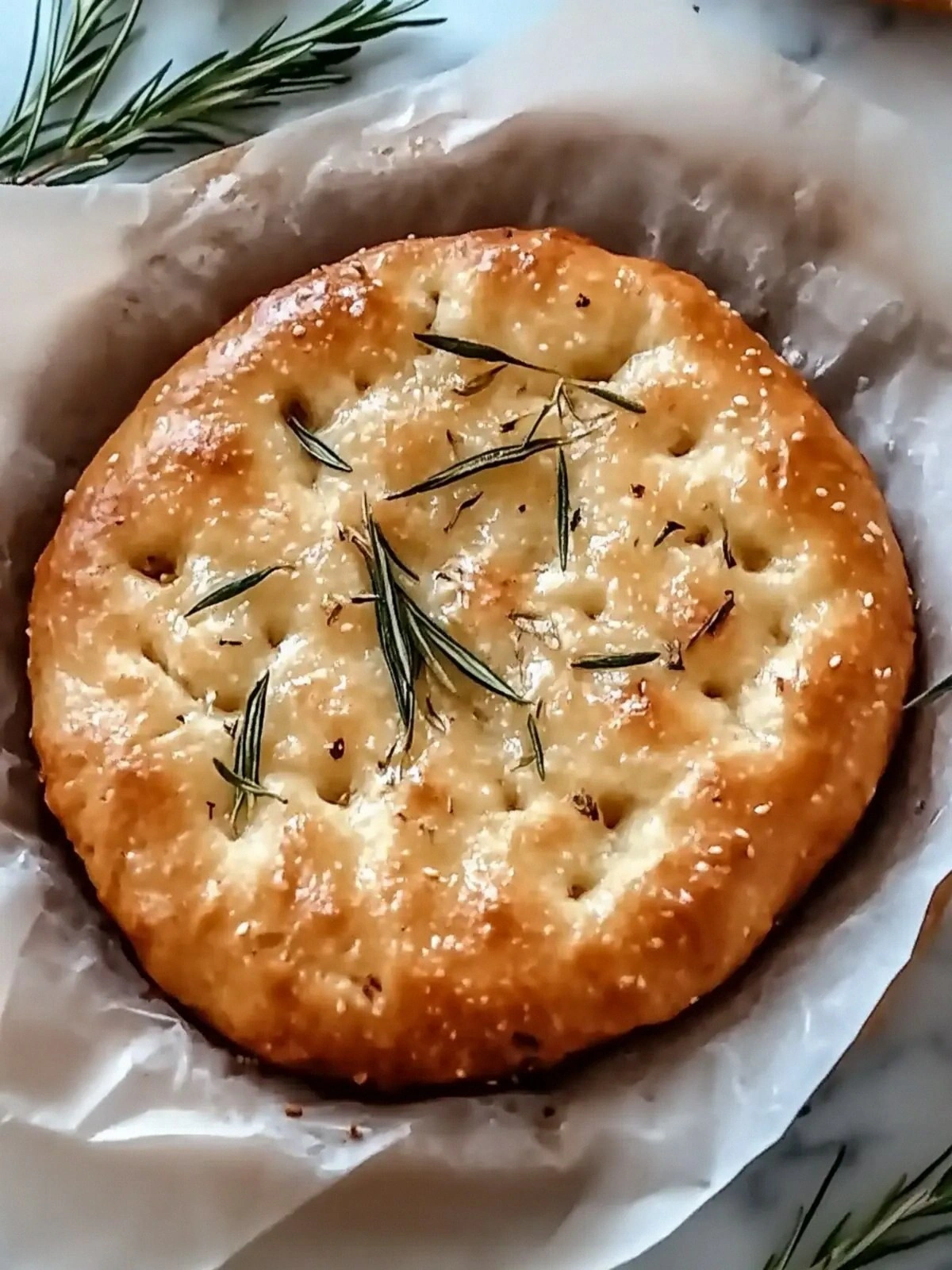
Most recipes get this completely wrong. They either over‑bake, under‑season, or use the wrong flour, resulting in a loaf that’s either dry or doughy. What sets this version apart is the secret blend of almond flour and Greek yogurt that creates a chewy, buttery interior, the gentle lift from baking soda and xanthan gum that gives it that airy rise, and the final drizzle of olive oil that crisps the edges into a crackling, golden perfection. Picture yourself pulling this out of the oven, the whole kitchen smelling incredible, and the first bite revealing a crumb so soft it melts on the tongue. Let me walk you through every single step—by the end, you’ll wonder how you ever made it any other way.
What Makes This Version Stand Out
- Taste: The infusion of fresh rosemary and garlic powder creates a savory depth that feels like a Mediterranean breeze. The almond flour gives a nutty undertone, while the Greek yogurt adds a subtle tang that balances the richness.
- Texture: Thanks to the combination of xanthan gum and baking soda, the focaccia rises like a light soufflé, producing a tender crumb that is chewy yet airy.
- Simplicity: No pre‑mixes, no heavy dough machines—just a handful of pantry staples and a single mixing bowl. The process is straightforward, yet the result feels luxurious.
- Uniqueness: The use of Greek yogurt instead of milk or buttermilk is a game‑changer, adding moisture without compromising the low‑carb profile.
- Crowd Reaction: Friends who have tried other keto breads say this is “hands down the best version you’ll ever make at home.” The aroma alone draws people in.
- Ingredient Quality: Choosing organic, high‑protein Greek yogurt and extra‑virgin olive oil elevates the flavor profile and keeps the loaf moist.
- Cooking Method: Baking in a cast‑iron skillet creates a crispy bottom while keeping the top soft—no need for parchment or parchment‑free surfaces.
- Make‑Ahead Potential: The dough can be prepared up to 24 hours ahead, refrigerated, and baked fresh when needed. This is perfect for busy weeknights or entertaining.
Inside the Ingredient List
The Flavor Base
Almond flour is the backbone of this loaf, providing a nutty flavor and a chewy, moist texture that’s essential for a satisfying bite. If you’re looking for a slightly sweeter profile, you can blend in a tablespoon of almond meal, but keep the total flour amount consistent to maintain the right consistency. Skipping almond flour would turn this into a plain yogurt cake, which is delicious but not the focaccia experience we’re after.
The Texture Crew
Greek yogurt brings a creamy richness and a slight tang that balances the buttery notes. Its high protein content also helps the dough hold together, preventing it from cracking during baking. If you’re lactose intolerant, a dairy‑free yogurt can be used, but it might alter the crumb slightly, making it a bit denser.
The Unexpected Star
Xanthan gum is the secret agent that gives this low‑carb bread its elasticity and prevents it from becoming too dense. It’s a small amount—just a teaspoon—but it works wonders. If you don’t have xanthan gum, you can substitute with 1/4 teaspoon of guar gum, though the texture may shift slightly.
The Final Flourish
Olive oil and unsalted butter collaborate to create a crispy, golden crust that’s impossible to resist. The olive oil adds a subtle fruity note, while the butter delivers that classic, rich finish. If you prefer a dairy‑free version, replace butter with coconut oil, but be prepared for a slightly different flavor profile.
Everything’s prepped? Good. Let’s get into the real action.
The Method — Step by Step
- In a large bowl, whisk together almond flour, baking soda, xanthan gum, garlic powder, dried rosemary, and flaky salt. The dry mix should look like a fine, fragrant powder. This step is crucial because it ensures the leavening agents are evenly distributed, preventing any lumpy patches in the dough.
- In a separate bowl, beat the eggs, Greek yogurt, melted butter, and olive oil until the mixture is smooth and slightly frothy. The frothy texture indicates that the eggs have fully incorporated, which is essential for achieving a light crumb. If you’re in a hurry, a quick whisk will do, but make sure there are no streaks of yogurt.
- Pour the wet mixture into the dry mixture and stir gently with a silicone spatula until just combined. The dough will be slightly sticky but should hold together. Overmixing can cause the dough to become tough, so keep the motion slow and deliberate.
- Preheat your oven to 375°F (190°C). Line a 9‑inch cast‑iron skillet with parchment paper or lightly grease it with butter to prevent sticking. The skillet’s heat retention will give the focaccia a crisp bottom.
- Transfer the dough to the skillet, using a spatula to spread it evenly. The dough should cover the skillet’s base without spilling over the edges. This step is the moment of truth—watch the dough rise slightly as it settles.
- Bake for 30 minutes, or until the edges are golden brown and a toothpick inserted into the center comes out clean. The aroma that fills the kitchen at this point is intoxicating—think toasted almond, rosemary, and a hint of citrus from the olive oil.
- Remove the skillet from the oven and let the focaccia cool for 5 minutes before slicing. A quick cool-down allows the crumb to set, preventing it from falling apart. If you’re in a rush, you can cut a slice immediately, but it will be a bit more fragile.
- Drizzle a small amount of olive oil over the top, then sprinkle additional rosemary if desired. This finishing touch adds a glossy sheen and a burst of fresh flavor that elevates the entire loaf.
- Serve warm with a side of marinara sauce or a simple salad. The warm, buttery crust pairs wonderfully with a crisp green salad or a dollop of pesto. The combination of textures and flavors will have you craving more.
- If you have leftovers, store them in an airtight container in the fridge for up to 3 days. Reheat in a preheated oven at 350°F (175°C) for 10 minutes to revive that fresh‑baked aroma.
That’s it—you did it. But hold on, I’ve got a few more tricks that will take this to another level.
Insider Tricks for Flawless Results
The Temperature Rule Nobody Follows
Many bakers assume that a higher temperature always produces a crispier crust, but in keto focaccia, a moderate 375°F is the sweet spot. Baking too hot can cause the edges to brown before the center is done, resulting in a dry interior. I once baked at 425°F and ended up with a scorched crust and a soggy middle—lesson learned the hard way.
Why Your Nose Knows Best
The smell of a nearly finished focaccia is a reliable indicator that it’s ready. When the aroma turns from raw yogurt to toasted almond, it’s time to pull it out. I’ve seen people wait for the golden color, only to find the dough still raw inside. Trust your nose over your eyes.
The 5-Minute Rest That Changes Everything
Letting the dough rest in the skillet for 5 minutes after baking allows the steam to redistribute, making the crumb more uniform. This small pause also prevents the bottom from becoming soggy, as the moisture has a chance to evaporate. Skipping this step may leave you with a slightly gummy base.
The Perfect Slice Technique
Use a serrated knife to cut the focaccia, as it will glide through the crumb without crushing it. A dull blade tends to compress the dough, producing uneven slices. I’ve tried a straight knife once, and the result was a collapsed, misshapen loaf.
The Secret to a Crispy Bottom
Pre‑heating a cast‑iron skillet on medium heat for 5 minutes before adding the dough ensures a crisp bottom. The skillet’s retained heat creates a caramelized crust that’s hard to replicate with a baking sheet. If you’re using a non‑stick pan, the bottom may be less crisp, but the flavor remains intact.
The Quick Cooling Trick
After baking, place the skillet on a cooling rack for 5 minutes before slicing. This prevents the bottom from becoming soggy due to trapped steam. I’ve found that a quick cool‑down also helps the focaccia keep its shape, making for cleaner slices.
The Ultimate Flavor Booster
A light drizzle of aged balsamic vinegar right before serving adds a subtle tang that complements the rosemary. It’s a small addition that elevates the entire dish, making it feel more sophisticated. Don’t be shy—just a few drops will do the trick.
Creative Twists and Variations
Cheesy Delight
Fold in 1/2 cup of shredded mozzarella before baking for a gooey, melty center. The cheese adds a creamy richness that pairs beautifully with the nutty base. This version is perfect for a quick pizza‑style snack.
Spicy Kick
Add 1/2 teaspoon of crushed red pepper flakes to the dry mix. The heat will balance the buttery flavor and give the focaccia a lively bite. Serve with a cool yogurt dip to mellow the spice.
Herb Explosion
Swap the dried rosemary for a mix of thyme, oregano, and basil. The aromatic blend will transform the loaf into a Mediterranean masterpiece. Sprinkle fresh herbs on top before baking for an extra burst of color.
Sun‑Dried Tomato Boost
Stir in 1/4 cup of chopped sun‑dried tomatoes just before baking. The sweet, chewy tomatoes add a burst of flavor that pairs well with the olive oil. This variation is ideal for a brunch spread.
Nutty Crunch
Fold in 1/4 cup of chopped walnuts or pecans for a delightful crunch. The nuts complement the almond flour and add a pleasant textural contrast. This version works well as a snack for the afternoon.
Citrus Zest
Add the zest of one lemon to the dry mix for a bright, refreshing note. The citrus pairs nicely with the rosemary and adds a subtle zing that lifts the entire loaf. This variation is especially refreshing in summer.
Mushroom Medley
Sauté finely chopped mushrooms in butter, then fold them into the dough before baking. The earthy flavor of mushrooms brings depth and a savory richness that complements the yogurt. This variation is perfect for a hearty dinner.
Sweet & Salty Surprise
Add 1 tablespoon of chopped dried cranberries and a pinch of sea salt to the dry mix. The sweet cranberries contrast the savory rosemary, creating a complex flavor profile. This version is great for a festive gathering.
Storing and Bringing It Back to Life
Fridge Storage
Store the cooled focaccia in an airtight container or a resealable plastic bag for up to 3 days. The airtight seal prevents moisture from seeping in, maintaining the crumb’s softness. When you’re ready to eat, let it sit at room temperature for 10 minutes to revive the aroma.
Freezer Friendly
Wrap the sliced focaccia tightly in plastic wrap, then place it in a freezer bag. Freeze for up to 3 months. When reheating, thaw at room temperature for 20 minutes, then finish in a preheated oven at 350°F for 10 minutes to restore crispness.
Best Reheating Method
The secret to a perfect reheated loaf is a quick 5‑minute bake at 350°F. If the loaf feels dry, sprinkle a teaspoon of water over it before baking; the steam will bring back the moist interior. Avoid microwaving, as it tends to make the crust rubbery.