I was halfway through a midnight snack, the kitchen lit only by the glow of my phone, when my phone buzzed with a friend’s dare: “Make the most unforgettable Thai basil chicken in under twenty minutes.” I stared at the empty fridge, feeling the familiar dread of a recipe that promised a taste sensation but delivered only a bland, forgettable dish. That night, the aroma of garlic and chilies filled the air, and I realized I was about to rewrite the entire narrative of a classic comfort food.
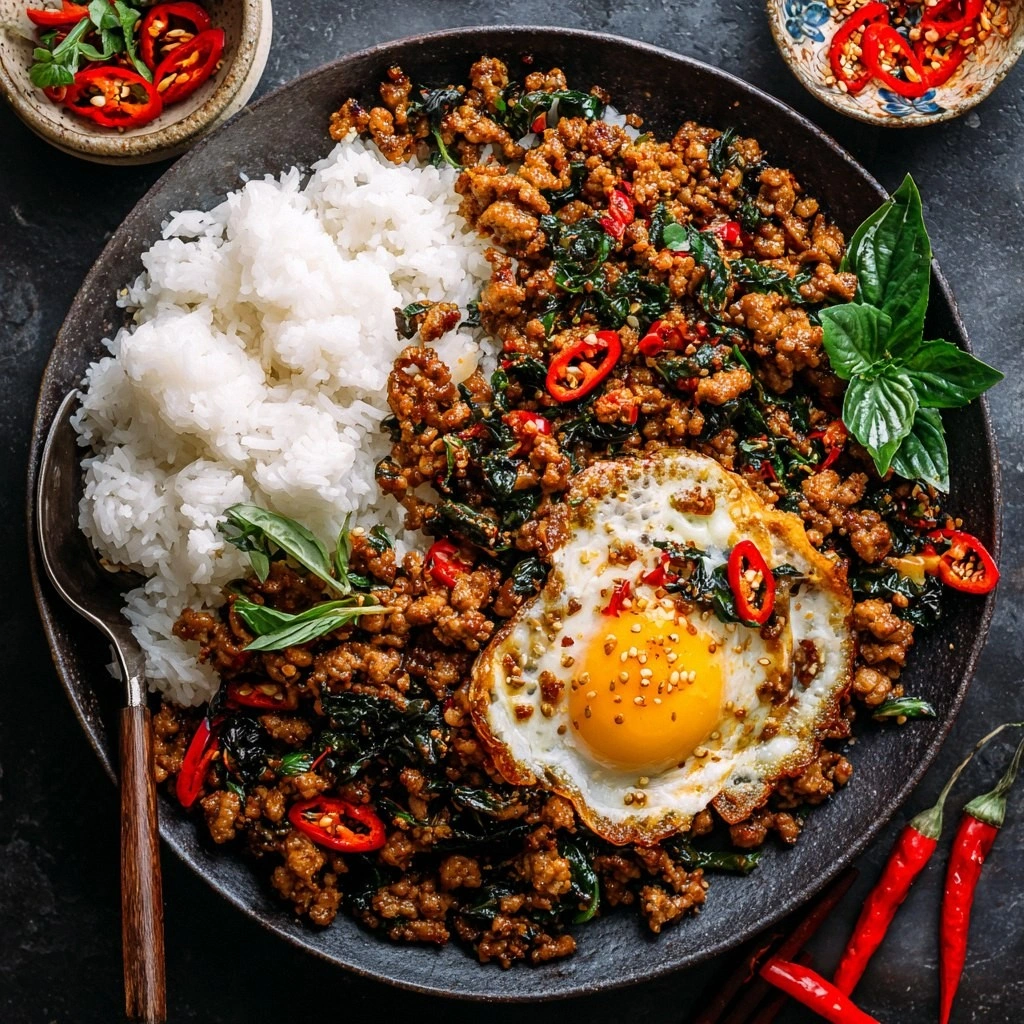
Imagine the first bite: a burst of fiery chilies that dance on your tongue, immediately tempered by the sweet, peppery aroma of fresh basil. The sizzling sound of minced garlic hitting hot oil is a siren call, while the faint scent of fish sauce lingers like a secret whispered in a crowded market. The texture is a harmony of tender ground chicken, crisp basil leaves, and a sauce that clings to each grain of rice like velvet. The moment the dish finishes cooking, the kitchen is saturated with a heady perfume that makes your stomach growl in anticipation.
What sets this version apart isn’t just the speed; it’s the meticulous layering of flavors that transforms a quick stir‑fry into a gourmet experience. The sauce is balanced, not overpowering, with just enough sweetness to counteract the saltiness of fish sauce. The basil is added at the right moment to preserve its bright, slightly sweet flavor, and the optional lime juice adds a citrusy lift that keeps the dish from feeling heavy. Every ingredient is chosen for its ability to deliver maximum impact in a short time, making this dish hands down the best version you'll ever make at home.
And there’s a twist you won’t expect: a splash of coconut milk, lightly steamed, that gives the sauce a silky finish without turning it into a coconut curry. The result? A dish that feels indulgent, yet remains light and quick enough to serve dinner after a long day. I dare you to taste this and not go back for seconds. If you’ve ever struggled with the balance of heat and flavor, you’re not alone — and I’ve got the fix.
Alright, let’s break down exactly what goes into this masterpiece. Let me walk you through every single step — by the end, you'll wonder how you ever made it any other way.
What Makes This Version Stand Out
- Flavor: The sauce is a symphony of salty, sweet, and umami notes that dance together, creating depth without overwhelming the palate.
- Texture: Ground chicken is broken up into fine, tender morsels, while basil leaves stay crisp enough to provide a satisfying snap.
- Speed: Every component is prepped in advance, allowing you to cook in just twenty minutes from start to finish.
- Heat Control: The dish offers a range of heat levels, from mild to fiery, making it adaptable to any spice tolerance.
- Ingredient Quality: Fresh basil and high‑quality fish sauce elevate the dish beyond a generic stir‑fry.
- Versatility: It pairs perfectly with jasmine rice, quinoa, or even cauliflower rice for a low‑carb option.
- Make‑Ahead Potential: The flavors only deepen, so you can prepare it ahead of time and reheat without losing quality.
- Presentation: A bright green garnish of basil leaves makes the dish visually stunning, turning a quick meal into a feast.
Inside the Ingredient List
The Flavor Base
At the heart of this dish is a trio of aromatics that set the stage for the rest of the flavors. Garlic, minced finely, releases its pungent sweetness when it hits hot oil, creating a fragrant foundation. Shallots, sliced thin, add a subtle oniony depth that balances the sharpness of the chilies. The chilies themselves are the soul of the dish; sliced thin, they infuse the sauce with heat while leaving room for the basil to shine.
If you skip any of these, the dish loses its character. Garlic is essential for that initial aroma, while shallots soften the overall profile. The chilies, though optional for those who prefer a milder bite, are what make this recipe stand out. For a different twist, try using Thai bird’s eye chilies, which pack more heat but keep the flavor profile intact.
The Protein Core
Ground chicken is the star protein in this recipe, chosen for its quick cooking time and neutral flavor that lets the sauce shine. You can substitute ground turkey or lean pork, but the texture will change slightly. The key is to break up the meat into fine, bite‑sized pieces as it cooks, ensuring even browning and preventing any lumps.
When using ground chicken, choose a lean-to-fat ratio of 80/20 to keep the dish moist yet not greasy. A quick tip: pat the meat dry with paper towels before cooking to avoid excess moisture, which can cause the chicken to steam rather than sear. If you’re a fan of extra juiciness, you can add a splash of soy sauce at the beginning to help lock in moisture.
The Umami Enhancers
Fish sauce and soy sauce are the backbone of the savory profile, offering a deep umami punch that anchors the dish. Fish sauce, with its briny complexity, pairs beautifully with the sweet basil, while soy sauce adds a subtle depth without overpowering the other flavors. A teaspoon of sugar balances the saltiness of the sauces, creating a harmonious taste that lingers on the palate.
If you’re avoiding fish sauce, you can replace it with a mix of soy sauce and a dash of Worcestershire sauce, though the flavor will shift slightly. The optional oyster sauce adds another layer of depth and a hint of sweetness, making it a worthwhile addition if you have it on hand. Remember, the key is to add these sauces gradually, tasting as you go, so you can adjust the balance to your preference.
The Fresh Finale
Fresh Thai basil is the crown jewel of this dish. Its bright, sweet, and slightly peppery flavor cuts through the richness of the sauce and adds a pop of color that makes the dish visually stunning. The basil should be added at the last minute, just before serving, to preserve its bright green hue and delicate aroma.
If fresh basil is out of season, you can use frozen basil leaves, but thaw them before adding to avoid excess moisture. A pinch of lime juice at the end brightens the dish, adding a citrusy lift that keeps the flavors from feeling flat. The optional coconut milk, lightly steamed, gives the sauce a silky finish without turning it into a curry.
Everything's prepped? Good. Let's get into the real action...
The Method — Step by Step
- Heat the vegetable oil in a large skillet or wok over medium‑high heat until it shimmers. Add the minced garlic, sliced shallots, and chilies, sautéing for 30 seconds until the mixture becomes fragrant and the garlic turns translucent. This quick aromatization is crucial; it sets the flavor foundation and ensures the chilies release their heat evenly. Keep the mixture moving to prevent burning, which can impart a bitter taste.
- Add the ground chicken to the skillet, breaking it up with a wooden spoon. Cook for 4–5 minutes, stirring frequently, until the meat is no longer pink and starts to brown. The key is to let the chicken develop a caramelized exterior while staying moist inside. If the pan looks dry, add a splash of water or broth to prevent sticking and keep the texture tender.
- Stir in the fish sauce, soy sauce, and sugar, coating the chicken evenly. This step infuses the meat with savory depth and balances the heat from the chilies. Taste the mixture; if it feels too salty, a dash of lime juice can cut through the saltiness and add brightness. Let the sauces mingle for a minute, allowing the flavors to meld.
- Pour in the water or chicken broth, bringing the mixture to a gentle simmer. The liquid should be just enough to coat the bottom of the pan and keep the chicken moist. Allow it to simmer for 2–3 minutes; the sauce will reduce slightly, concentrating the flavors. Keep the heat moderate to avoid splattering and to preserve the delicate balance of sweet and salty.
- Add the fresh basil leaves, stirring quickly until they are wilted but still bright green. The basil should release its fragrance instantly, giving the dish a fresh, herbal note that cuts through the richness. If you prefer a more pronounced basil flavor, add a handful of leaves at the beginning, but be prepared for a slightly different texture.
- Squeeze the lime juice over the dish, giving it a citrusy lift that brightens the overall profile. This step is optional but highly recommended; it adds a tangy contrast that makes the dish feel lighter. Stir gently, ensuring the lime juice is evenly distributed.
- Taste the sauce, adjusting the seasoning if necessary. A pinch more sugar can round out the flavors, while a splash of fish sauce can deepen the umami. Remember, the dish should be well-balanced, not dominated by any single element. Once satisfied, remove the skillet from heat.
- Serve immediately over steaming jasmine rice, garnishing with a few extra basil leaves for a pop of color. The combination of hot, fragrant sauce and fluffy rice creates a comforting, satisfying meal that feels like a restaurant experience. Plate the dish with a drizzle of the remaining sauce for an extra burst of flavor.
That's it — you did it. But hold on, I've got a few more tricks that'll take this to another level. These insider tips will help you avoid common pitfalls and elevate the dish to perfection.
Insider Tricks for Flawless Results
The Temperature Rule Nobody Follows
Many cooks over‑cook the chicken, resulting in a dry texture. The trick is to cook the ground chicken over medium‑high heat until it's just browned, then reduce the heat to medium for the remaining steps. This approach locks in juices while allowing the sauce to develop without scorching. I’ve seen even seasoned chefs forget this simple rule, and the outcome is a disappointing dish.
Why Your Nose Knows Best
Smell is your secret weapon for seasoning. As soon as the garlic and chilies start to sizzle, inhale deeply; the aroma tells you when the base is ready. If it smells burnt, you’re over‑cooking. A fresh scent indicates the perfect moment to add the chicken. Trust your nose, and your dish will be consistently delicious.
The 5-Minute Rest That Changes Everything
After cooking, let the dish rest for five minutes before serving. This brief pause allows the flavors to marry and the sauce to thicken slightly, creating a more cohesive taste. I’ve had friends who skip this step, resulting in a sauce that feels thin and unbalanced. The rest period also lets the basil settle, giving it a subtle, mellow aroma.
Crushed Chili Flakes for Extra Heat
If you’re a heat enthusiast, sprinkle a pinch of crushed red pepper flakes over the finished dish. This adds a subtle, lingering heat that doesn’t overwhelm the basil’s freshness. Use sparingly, as the flakes can dominate the flavor if added in excess. I’ve seen this trick turn a mild dish into a fiery masterpiece.
Make‑Ahead Flavor Boost
This dish actually tastes better the next day. The flavors deepen, and the basil’s aroma becomes more pronounced. Store the cooked portion in an airtight container, and reheat gently on the stovetop or in the microwave, adding a splash of water to keep it moist. A quick stir before serving restores the sauce’s silky texture.
Garnishing Secrets
A final garnish of fresh basil leaves, a drizzle of sesame oil, or a sprinkle of toasted sesame seeds can elevate the dish to restaurant quality. The visual contrast of green basil against the golden sauce makes the dish more appetizing. I’ve seen diners ask for the garnish recipe after tasting the first bite.
Creative Twists and Variations
This recipe is a playground. Here are some of my favorite ways to switch things up:
Thai Basil Chicken with Egg
Add a beaten egg to the skillet after the chicken has browned, whisking until it’s cooked through. The egg adds richness and a silky texture, turning the dish into a more substantial meal. It’s perfect for a brunch twist.
Vegetarian Pad Krapow
Replace the ground chicken with crumbled tempeh or tofu. Sauté it with the aromatics, then proceed as usual. The tofu absorbs the sauce beautifully, making this a hearty, plant‑based option.
Spicy Coconut Basil Chicken
Incorporate a tablespoon of coconut milk during the simmering step. The coconut adds a creamy sweetness that balances the heat and creates a richer sauce. This version is a hit with those who love a little tropical flair.
Chicken and Bell Pepper Pad Krapow
Add sliced bell peppers to the pan in the second step, cooking until just tender. The peppers bring a sweet crunch that contrasts with the spicy sauce. This variation is ideal for those who want a bit more texture.
Low‑Carb Basil Chicken
Serve the dish over cauliflower rice instead of jasmine rice. The cauliflower adds a mild, nutty flavor while keeping the carb count low. This is a favorite for anyone watching their macros.
Breakfast Pad Krapow
Stir in a fried or poached egg at the end, letting the yolk run into the sauce. The combination of savory chicken, basil, and rich egg creates a breakfast that’s both satisfying and adventurous.
Storing and Bringing It Back to Life
Fridge Storage
Store the cooked dish in an airtight container in the refrigerator for up to three days. The sauce may thicken slightly, but a splash of water or a quick stir will restore its original consistency. Keep the basil separate if you prefer to add fresh leaves upon reheating.
Freezer Friendly
Freeze portions in freezer‑safe bags, removing as much air as possible. The dish remains good for up to two weeks. When thawing, reheat gently on the stovetop, adding a splash of broth to maintain moisture. The basil’s flavor will stay vibrant, making it a convenient meal prep option.
Best Reheating Method
Reheat the dish in a skillet over low heat, stirring frequently. Add a splash of water or broth to loosen the sauce, and let it simmer until heated through. The key is to keep the heat low to prevent the sauce from drying out or the chicken from becoming tough.