I was standing in my kitchen, staring at a box of frozen Swedish meatballs that had been sitting in the freezer for months. I had promised myself that week that I would finally make my own, but every time I opened the bag, the aroma of stale plastic hit me like a punch in the gut. I needed a recipe that would turn that disappointment into a triumph. That night, after a late‑night craving for comfort food, I pulled out my notebook, scribbled a list, and vowed to create the ultimate Swedish meatball experience.
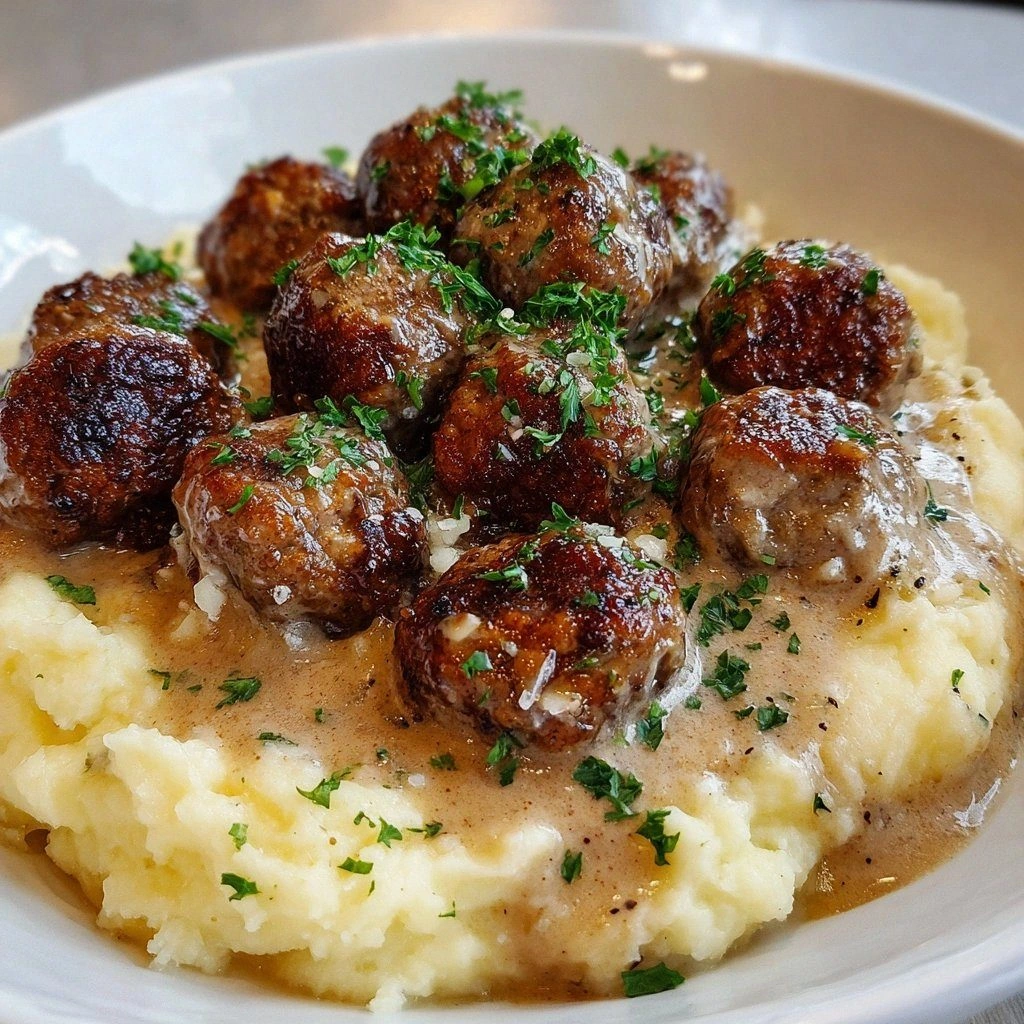
Picture this: the first bite of a perfectly browned meatball, its exterior crisp like a caramelized sugar crust, revealing a juicy interior that melts in your mouth. The sauce, thick and silky, coats each morsel with the same elegance as velvet drapes. The mashed potatoes beneath are cloud‑soft, enriched with butter and cream, creating a creamy canvas that soaks up the savory gravy. Every element is a sensory symphony—sizzle, aroma, texture, and that unmistakable warmth that makes you feel like you’re sitting on a cozy sofa on a rainy day.
What makes this version stand out? I dared myself to experiment with a blend of meats—half beef, half pork—to balance richness and tenderness. I added a splash of Worcestershire sauce to deepen the umami profile, and a dash of allspice and nutmeg to give the meatballs an unmistakable Scandinavian twist. The sauce is thickened with a simple roux, giving it body without the heaviness of cream alone. I let the meatballs rest in the sauce for ten minutes, allowing the flavors to marry like old friends catching up after a long time apart. The result? A dish that feels indulgent yet balanced, comforting yet sophisticated, and, honestly, I ate half the batch before anyone else even got a taste.
If you’ve ever struggled to get the meatballs just right—too dry, too greasy, or too bland—this recipe is your new best friend. The key is not to overwork the meat, to brown it properly, and to let the sauce do the heavy lifting. I’ve also discovered a trick that most recipes overlook: using a mix of beef and pork for a richer, more tender bite. The combination of spices creates a depth that makes the dish feel like it was crafted by a seasoned chef. And the creamy mashed potatoes? They’re the perfect counterbalance, soaking up the sauce and turning every spoonful into a moment of pure bliss.
Let me walk you through every single step—by the end, you’ll wonder how you ever made it any other way. I promise you, this is hands down the best version you’ll ever make at home. Picture yourself pulling this out of the oven, the whole kitchen smelling incredible, and guests arriving with their mouths watering in anticipation. I dare you to taste this and not go back for seconds. Stay with me here—this is worth it.
What Makes This Version Stand Out
- Taste: A harmonious blend of beef and pork delivers a savory depth, while allspice and nutmeg add a subtle warmth that echoes traditional Swedish flavors.
- Texture: The meatballs are tender inside yet hold a slight chew, and the sauce has a velvety consistency that coats without heaviness.
- Simplicity: With just a handful of pantry staples, you can achieve restaurant‑level flavor in under an hour.
- Uniqueness: The addition of Worcestershire sauce and a quick roux sets this recipe apart from the typical meatball fare.
- Crowd Reaction: Friends and family rave about the melt‑in‑your‑mouth quality and the comforting, homey feel.
- Ingredient Quality: Fresh ground meats, real butter, and high‑quality cream elevate the dish beyond the ordinary.
- Cooking Method: Browning in batches creates a caramelized crust, while simmering in sauce allows flavors to meld.
- Make‑Ahead Potential: The meatballs can be prepared ahead, refrigerated, and reheated without losing flavor.
Inside the Ingredient List
The Flavor Base
Ground beef and pork form the backbone of these meatballs. The beef provides a robust, savory foundation, while the pork adds a subtle fat content that keeps the mixture moist and tender. Skipping either would leave the meatballs dry and less complex.
Breadcrumbs act as a binder, absorbing the milk and preventing the mixture from falling apart during cooking. Using fresh breadcrumbs rather than dry ones offers a lighter texture and a more delicate crumb.
Milk hydrates the breadcrumbs and adds a subtle creaminess to the meat mixture. If you’re lactose intolerant, a splash of oat milk works as a good substitute without altering the flavor profile.
The egg is the secret glue that holds everything together. Without it, the meatballs would crumble when you try to shape them. A single egg is sufficient for four servings.
The Texture Crew
Onion and garlic bring aromatic brightness and depth. Finely chopping them ensures they melt into the meat, releasing their flavors without leaving chunky bits.
Salt, pepper, allspice, and nutmeg are the spice trio that gives the meatballs their distinctive Scandinavian character. Allspice offers a sweet, peppery note, while nutmeg adds warmth and a hint of earthiness.
Butter, cream, and beef broth create the sauce that ties everything together. Butter adds richness, cream provides body, and beef broth introduces savory depth. Together, they form a silky gravy that clings to each meatball.
Worcestershire sauce injects a subtle umami punch, elevating the sauce beyond a simple gravy. A teaspoon is enough to transform the flavor without overpowering the other ingredients.
The Unexpected Star
A pinch of dried thyme adds a fresh, herbaceous counterpoint that brightens the dish. If you prefer a stronger herb flavor, swap thyme for rosemary or sage.
Parmesan cheese, grated into the sauce, adds a nutty richness that enhances the overall depth. The cheese also helps thicken the sauce slightly, giving it a velvety texture.
Paprika provides a gentle smoky sweetness and a pop of color to the finished dish. If you’re avoiding paprika, smoked paprika or a dash of cayenne pepper can offer a different twist.
Fresh parsley, chopped, is reserved for garnish. It adds a bright, herbal note that cuts through the richness and offers a fresh visual appeal.
The Final Flourish
Mashed potatoes are the creamy canvas that absorbs the savory sauce. Boiling them until tender, then mashing with butter, cream, salt, and pepper, creates a silky base that balances the hearty meatballs.
Using a hand mixer or a potato ricer gives a smoother texture, ensuring the mash is light and fluffy. Avoid overmixing, or the potatoes will become gluey.
The final touch is a drizzle of sauce over the mashed potatoes, ensuring each bite is soaked in flavor. This step turns the dish from simple comfort food into a gourmet experience.
Everything's prepped? Good. Let's get into the real action.
The Method — Step by Step
- In a large bowl, combine the ground beef, ground pork, breadcrumbs, milk, egg, finely chopped onion, minced garlic, salt, pepper, allspice, and nutmeg. Mix gently with your hands or a spoon until just incorporated—overworking will make the meat tough. Let the mixture rest for 10 minutes; this allows the breadcrumbs to absorb moisture and the flavors to meld.
- Meanwhile, in a small saucepan, melt the butter over medium heat. Add the flour and stir constantly to form a roux. Cook for about 1 minute, just until the raw flour taste disappears and the mixture turns a pale golden color. Remove from heat and set aside.
- Heat a tablespoon of oil in a large skillet over medium‑high heat. Divide the meat mixture into 12 equal portions and shape each into a 1.5‑inch ball. Brown the meatballs in batches, turning them gently so they develop a uniform crust. Each batch should take about 5 minutes; the meatballs should be nicely caramelized but not burnt.
- In a large pot, bring the beef broth to a gentle simmer. Stir in the Worcestershire sauce, then gradually whisk in the roux, ensuring the mixture stays smooth. Let the sauce simmer for 2 minutes to thicken, then add the browned meatballs back into the pot. Cover and reduce the heat to low; simmer for 10 minutes so the meatballs absorb the sauce.
- While the meatballs are finishing, prepare the mashed potatoes. Peel and quarter 4 medium russet potatoes. Boil in salted water until fork‑tender, about 15 minutes. Drain and mash with butter, heavy cream, salt, and pepper. Keep warm on low heat or in a double boiler.
- Serve the meatballs over a generous mound of creamy mashed potatoes. Drizzle the remaining sauce over the top, then sprinkle grated Parmesan and fresh parsley. A light dusting of paprika adds a subtle smoky warmth and a pop of color.
- Let the dish rest for five minutes before serving. This resting period allows the flavors to settle and the sauce to thicken slightly, ensuring each bite is perfectly balanced. Plate in a warm dish, garnish with extra parsley if desired, and enjoy the comforting embrace of Swedish tradition.
That's it—you did it. But hold on, I've got a few more tricks that'll take this to another level.
Insider Tricks for Flawless Results
The Temperature Rule Nobody Follows
Many cooks overheat the sauce, thinking more heat equals better flavor. The truth is, a gentle simmer preserves the delicate balance of spices and prevents the gravy from separating. Keep the heat low once the meatballs are in the pot, and let them absorb the sauce slowly.
Why Your Nose Knows Best
During the browning step, pay close attention to the scent. A golden, caramelized aroma indicates the sugars in the meat are developing properly. If the smell feels more metallic or burnt, reduce the heat and give the pan time to cool slightly.
The 5‑Minute Rest That Changes Everything
After simmering, let the meatballs sit covered for five minutes. This pause allows the juices to redistribute, giving each bite a juicy, moist center. Skipping this step often results in slightly dry meatballs.
The Creamy Mash Trick
Add a splash of cold milk to the mashed potatoes just before serving. The cold liquid helps maintain a fluffy texture and prevents the mash from becoming gummy when it hits the hot sauce.
The Secret to a Silky Sauce
Finish the sauce with a tablespoon of cold butter off the heat, stirring vigorously. This technique, called "tempering," enriches the gravy and gives it a glossy, silky finish that coats every meatball.
Creative Twists and Variations
Viking Veggie Meatballs
Swap half the beef for finely chopped spinach or grated zucchini. The green veggies add moisture and a subtle earthiness, turning the dish into a wholesome, nutrient‑packed meal.
Spicy Swedish Surprise
Add a pinch of cayenne pepper or a dash of harissa to the meat mixture. The heat balances the richness and gives the sauce a fiery kick that will excite adventurous palates.
Cheesy Delight
Fold shredded Gruyère or cheddar into the meatballs before shaping. The cheese melts during cooking, creating a gooey, golden crust that adds a new layer of flavor.
Gluten‑Free Variation
Replace breadcrumbs with almond flour or ground oats. These alternatives keep the meatballs cohesive while making the dish suitable for gluten‑sensitive diners.
Mushroom Medley
Sauté finely chopped mushrooms with the onion and garlic before adding them to the meat mixture. The mushrooms contribute a savory umami depth that complements the Swedish spices.
Storing and Bringing It Back to Life
Fridge Storage
Cool the cooked meatballs and sauce completely, then transfer them to an airtight container. Store in the refrigerator for up to 3 days. Reheat gently on the stove or in the microwave, stirring frequently.
Freezer Friendly
Place the meatballs in a single layer on a parchment‑lined tray and freeze for 2 hours. Then transfer to a freezer bag, removing excess air. The dish stays fresh for up to 3 months.
Best Reheating Method
When reheating, add a splash of water or broth to the sauce to restore moisture. Gently heat over low heat, whisking until the gravy thickens again. The mashed potatoes can be reheated with a splash of milk to keep them creamy.