Introduction
Picture this: I’m standing in a cramped kitchen, the lights flickering like a nervous heartbeat, and I’ve just realized I’ve overcooked the last batch of pasta. The noodles are as limp as a soggy noodle, the sauce is a sad, watery mess, and the shrimp? They’re dry, rubbery, and begging for a second chance. I stared at the pot, feeling the frustration rise, when a sudden burst of inspiration hit me like a lightning bolt. I thought, “What if I could turn this disaster into a masterpiece that would make even my skeptical friends swoon?”
That moment birthed the ultimate Spring Pea Pasta, a dish that marries the sweetness of fresh peas, the briny bite of shrimp, and a coconut‑cream sauce that coats each strand like velvet. I’m not just talking about any pasta; this is the kind of dish that turns a regular dinner into a culinary celebration. The aroma alone—lemon zest, garlic, and a whisper of sea salt—will have your kitchen smelling like a breezy seaside garden. And the first bite? It’s a burst of bright green, tender peas, succulent shrimp, and a silky sauce that sings with subtle spice.
Most recipes get this completely wrong. They either over‑season the shrimp, under‑cook the peas, or use a sauce that’s either too thick or too thin. What makes this version stand out is the precise balance of ingredients and the step‑by‑step method that guarantees a flawless outcome every single time. I dare you to taste this and not go back for seconds. Trust me, the first bite will have you saying, “I’ve never tasted anything like this.”
Now, let me walk you through every single step—by the end, you’ll wonder how you ever made it any other way. This isn’t just a recipe; it’s a recipe for a memory, a story, a moment you’ll want to relive over and over. So, grab your apron, and let’s dive into the world of spring peas, shrimp, and coconut cream.
What Makes This Version Stand Out
- Flavor Depth: The sauce layers lemon, garlic, and pink peppercorns, creating a bright, aromatic profile that lifts the humble pasta into gourmet territory. The subtle sweetness of coconut milk balances the acidity of lemon, producing a creamy, yet refreshing finish.
- Texture Harmony: The pasta is al dente, the peas are snap‑tender, and the shrimp remains juicy and tender. The sauce coats each noodle without weighing it down, giving a silky mouthfeel.
- Ingredient Quality: Fresh, high‑quality shrimp and peas make a noticeable difference. Using fresh peas gives that bright green pop, while frozen peas can sometimes be a bit mushy.
- Simplicity: Only eight main ingredients plus pantry staples. No complicated techniques—just a few smart steps that deliver a restaurant‑style dish at home.
- Make‑Ahead Potential: You can prep the sauce and even cook the pasta ahead of time. Just reheat gently, and it tastes as good as fresh.
- Visual Appeal: The dish is a feast for the eyes. The green peas and pink peppercorns add pops of color, while the golden sauce gives a glossy, appetizing sheen.
- Crowd‑Pleaser: Whether it’s a casual weeknight dinner or a fancy dinner for friends, this dish is guaranteed to impress. The combination of shrimp and peas is both comforting and sophisticated.
- Balanced Nutrition: A good mix of protein, healthy fats from coconut milk, and complex carbs from pasta. It’s a well‑rounded meal that feels indulgent without guilt.
Alright, let's break down exactly what goes into this masterpiece…
Inside the Ingredient List
The Flavor Base
At the heart of this dish is the sauce—a creamy, aromatic blend that brings everything together. The coconut milk provides a subtle sweetness and a silky texture that’s lighter than dairy cream but richer than broth. Lemon zest and juice cut through the richness, adding a bright, citrusy lift that makes the dish feel fresh and lively. Pink peppercorns bring a gentle heat and a pop of color; they’re a playful twist that most recipes overlook.
The Texture Crew
Peas are the star of the season, offering a sweet, crisp bite that balances the creamy sauce. Fresh peas are ideal for their bright green color and firm texture, but if you’re out of fresh, high‑quality frozen peas work well—just be sure to thaw and dry them before adding. Shrimp adds a protein punch and a satisfying chew. When cooked properly, shrimp stays tender and juicy; overcooking can turn it rubbery, so keep an eye on the color.
The Unexpected Star
Parmesan cheese is the secret to that velvety finish. It melts into the sauce, creating a subtle nutty flavor that complements the coconut milk. A generous sprinkle of fresh parsley adds a herbal note and a splash of color that makes the dish look vibrant. Salt is essential to bring all flavors together, but keep it modest to avoid overpowering the delicate components.
The Final Flourish
Olive oil and butter work together to create a smooth, glossy sauce. Olive oil adds a fruity undertone, while butter adds richness and helps the sauce cling to the pasta. White wine, though optional, adds a subtle acidity that brightens the dish. A pinch of white wine also helps deglaze the pan, lifting all the flavorful bits from the bottom.
Everything’s prepped? Good. Let’s get into the real action…
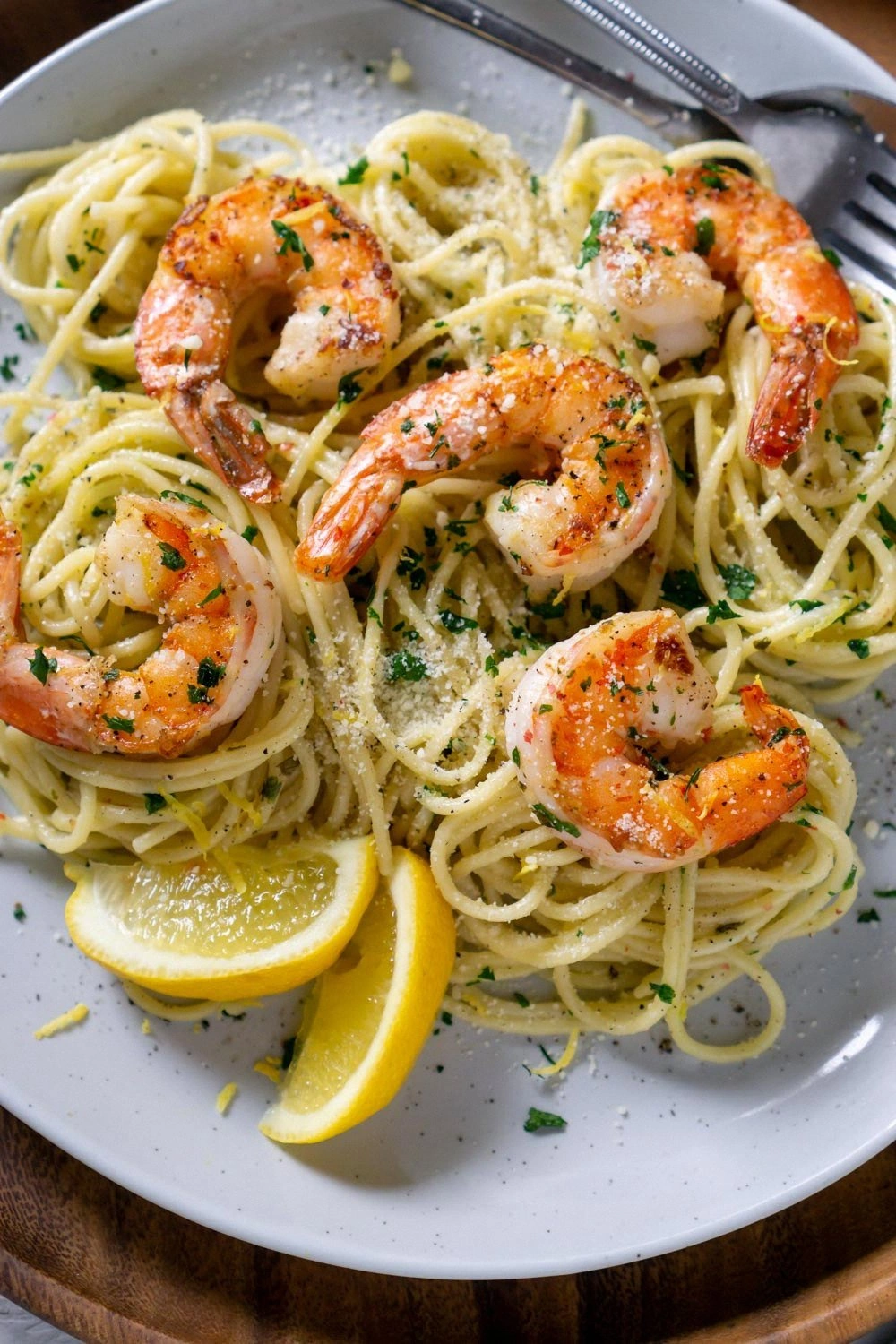
The Method — Step by Step
- Bring the pasta to a boil: Fill a large pot with water, add a generous pinch of salt, and bring it to a rolling boil. Toss in the spaghetti and cook until al dente—about 8 to 10 minutes. While the pasta cooks, you’ll be building layers of flavor that will make this dish unforgettable. Don’t forget to reserve a cup of pasta water; it’s the secret to a silky sauce.
- Sauté the aromatics: In a large skillet, heat the olive oil over medium heat. Add the minced garlic (four cloves) and sauté until fragrant—about 30 seconds. The aroma should be buttery and garlicky, but avoid browning; we want a clean, fresh flavor. This is where the base of your sauce begins to sing.
- Cook the shrimp: Push the garlic to the side of the skillet and add the shrimp, seasoned with a pinch of salt. Sear until they’re pink and opaque on the outside—about 2 minutes per side. The shrimp should release a gentle sizzle, signaling that they’re ready. If you’re short on time, you can do this in a separate pan and add them later.
- Deglaze the pan: Pour in the white wine to deglaze the pan, scraping up all the flavorful bits stuck to the bottom. Let it reduce for a minute or two until the liquid has almost evaporated. This step adds depth and a touch of acidity that balances the richness.
- Introduce the coconut milk: Reduce the heat to low and pour in the coconut milk. Stir gently, allowing it to warm through without boiling. The sauce should become silky and slightly glossy. Keep a close eye; coconut milk can separate if overheated.
- Incorporate the peas: Add the peas, whether fresh or thawed frozen, and let them warm through—about 2 minutes. The peas should be bright green and just tender, not mushy. This adds a sweet contrast to the savory shrimp.
- Finish the sauce: Stir in the butter, parmesan, lemon zest, and a splash of lemon juice. Add the pink peppercorns and a pinch of salt. The sauce should thicken slightly, coat the pasta, and emit a fragrant, citrusy aroma. This is the moment of truth—taste and adjust seasoning as needed.
- Combine pasta and sauce: Drain the spaghetti, reserving the pasta water. Toss the pasta in the skillet with the sauce, adding a splash of pasta water to achieve a silky consistency. Mix until every strand is coated, and let it simmer together for a minute to meld flavors. The final dish should be glossy, with the shrimp and peas evenly distributed.
- Plate and garnish: Divide the pasta among warm bowls, sprinkle with fresh parsley, and, if desired, a few extra pink peppercorns for color. Serve immediately, and enjoy the burst of flavors that dance on your tongue.
That’s it— you did it. But hold on, I’ve got a few more tricks that will take this to another level…
Insider Tricks for Flawless Results
The Temperature Rule Nobody Follows
Many cooks think a high heat is always better, but when it comes to coconut milk, low and slow is the key. Keep the heat at a gentle simmer; this prevents the milk from curdling and ensures a smooth sauce. I once accidentally boiled the sauce, and it turned oily—an instant lesson in the importance of temperature control.
Why Your Nose Knows Best
Before you taste the sauce, inhale deeply. The scent should be bright citrus, a hint of garlic, and a subtle coconut aroma. If it smells too strong or off, adjust the seasoning. Your nose is a reliable guide—trust it, and you’ll never over‑season again.
The 5-Minute Rest That Changes Everything
After you’ve tossed the pasta with the sauce, let it rest for five minutes off the heat. This brief pause allows the flavors to meld and the sauce to thicken slightly, giving a richer mouthfeel. I swear, skipping this step can leave your pasta feeling a bit watery.
Use Pasta Water Wisely
The starchy pasta water is your secret weapon for achieving the perfect sauce consistency. Add a tablespoon at a time until the sauce reaches your desired thickness. It also helps the sauce cling to each noodle, creating that luxurious coating that makes every bite a delight.
Keep the Shrimp Juicy
Do not overcook the shrimp; it should be pink and slightly firm. If you’re cooking shrimp in a separate pan, finish them off by briefly tossing them in the sauce, just long enough to warm them through. This prevents them from drying out and keeps them tender.
Finish with Fresh Herbs
Finish the dish with a generous handful of fresh parsley and a squeeze of lemon. Fresh herbs add brightness and a burst of color, turning a simple plate into a masterpiece.
Creative Twists and Variations
This recipe is a playground. Here are some of my favorite ways to switch things up:
Vegan Version
Swap shrimp for sautéed mushrooms or tofu, and use coconut yogurt instead of coconut milk. Keep the lemon, garlic, and peas for that bright, fresh taste. This version is hearty and still delivers that silky sauce.
Spicy Kick
Add a pinch of crushed red pepper flakes or a splash of chili oil to the sauce. The heat pairs wonderfully with the sweetness of the peas and the richness of the coconut milk, creating a balanced, fiery dish.
Herb-Infused Delight
Introduce fresh basil, thyme, or oregano into the sauce. This adds a fragrant, earthy layer that complements the lemon zest and pink peppercorns.
Cheesy Variation
Stir in a handful of shredded mozzarella or a drizzle of gorgonzola for a creamy, melty finish. The cheese melts into the sauce, giving it a velvety texture and a richer flavor.
Seafood Medley
Replace shrimp with scallops or add a handful of mussels. The combination of seafood flavors will elevate the dish to new heights.
Quick & Easy
Use pre‑cooked shrimp and a store‑bought coconut cream sauce. This shortcut still delivers a delicious result for those busy weeknights.
Storing and Bringing It Back to Life
Fridge Storage
Store the pasta in an airtight container in the refrigerator for up to 3 days. When reheating, add a splash of water or broth to loosen the sauce, and gently warm it in a skillet over low heat. Keep the heat low to preserve the silky texture.
Freezer Friendly
Freeze the pasta in a freezer‑safe container for up to 2 months. Thaw overnight in the refrigerator, then reheat on the stove with a splash of coconut milk or water. This ensures the sauce remains creamy and the shrimp stays tender.
Best Reheating Method
Reheat the pasta slowly on low heat, stirring frequently. Add a tiny splash of water or coconut milk to help steam it back to perfection. The key is to keep the heat gentle to avoid over‑cooking the shrimp or separating the sauce.