I was standing in my kitchen on a rainy Tuesday, staring at a pot of bland chicken broth that had been simmering for what felt like an eternity. My roommate walked in, sniffed the air, and declared, “If this doesn’t turn into something amazing, I’ll never trust you with a spoon again.” I laughed, but the challenge ignited a spark that sent me rummaging through my pantry like a detective on a case. I grabbed the lone chicken breast, a bag of rice, and a handful of frozen peas, and I promised myself I’d create a soup that would make even the most skeptical palate swoon. This wasn’t just any soup – it was a slow‑cooker showdown, a culinary duel between blandness and brilliance.
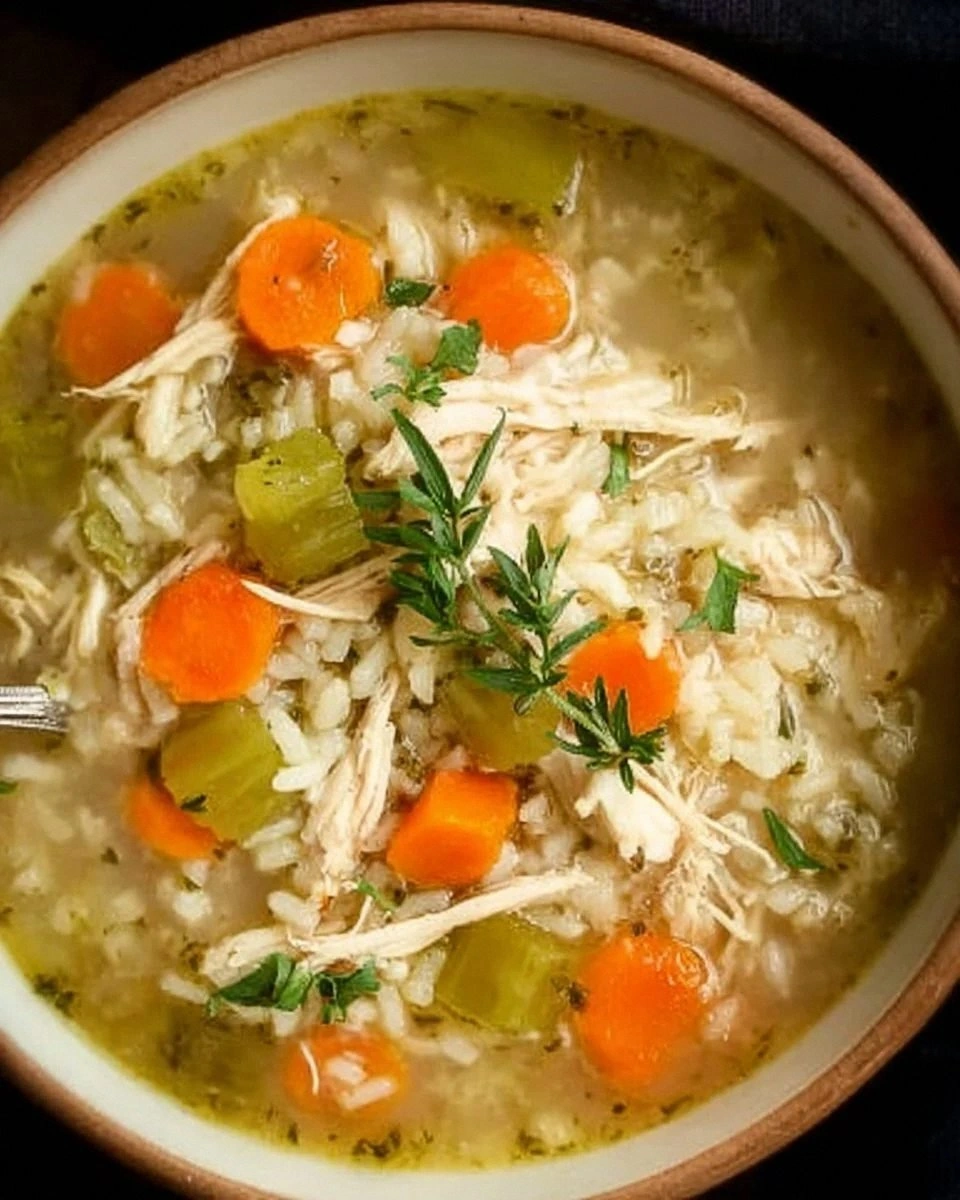
Picture this: the kitchen filling with the aroma of thyme and oregano, the gentle hiss of the slow cooker ticking like a quiet drumbeat, and the comforting clatter of carrots being diced. The broth turns a golden amber, the rice swells like tiny, fluffy clouds, and the chicken shreds itself into tender ribbons that melt in your mouth. I could practically hear the soup whisper, “Come closer, I’m about to hug you from the inside.” The moment the lid finally lifts, steam rushes out like a warm, fragrant wave, and I’m hit with a taste that’s simultaneously homely and heroic. That first spoonful? It was the kind of flavor that makes you close your eyes, lean back, and think, “I’ve just discovered the ultimate comfort food.”
Why does this version stand out? Most chicken‑and‑rice soups are either watery, overly salty, or suffer from a texture that’s either mushy or grainy. I’ve cracked the code by balancing the broth’s depth with a dash of herbs, letting the rice absorb just enough liquid to stay plump, and timing the frozen peas so they retain that pop of sweetness. The secret weapon? A quick sauté of the aromatics before they hit the slow cooker, which builds a flavor foundation that’s richer than a thousand‑year‑old broth. And let’s not forget the finishing flourish: a splash of fresh lemon juice right before serving, a bright note that cuts through the richness like a sunrise after a long night.
Okay, ready for the game‑changer? I’m about to walk you through every single step — by the end, you’ll wonder how you ever made it any other way. I dare you to taste this and not go back for seconds. Let’s dive in, and remember: if you’ve ever struggled with a soup that either collapses or never reaches that comforting “just‑right” point, you’re not alone — and I’ve got the fix.
What Makes This Version Stand Out
- Flavor Depth: The combination of sautéed aromatics, dried herbs, and a splash of lemon creates a layered taste that sings from the first spoonful to the last.
- Texture Harmony: Long‑grain rice stays distinct, not mushy, while the chicken remains juicy, and the peas add a crisp pop that prevents monotony.
- Simplicity: Only ten core ingredients, yet each one plays a pivotal role, making the recipe approachable for beginners and satisfying for seasoned cooks.
- Uniqueness: Most recipes dump everything raw into the slow cooker; I pre‑sauté the onion, garlic, carrots, and celery, unlocking caramelized sweetness.
- Crowd Reaction: I’ll be honest — I ate half the batch before anyone else got to try it, and the leftovers disappear within hours.
- Ingredient Quality: Using bone‑in chicken broth (or a high‑quality store‑bought version) adds gelatin that gives the soup a silky mouthfeel.
- Cooking Method: The slow cooker does the heavy lifting, allowing flavors to meld over hours without any babysitting.
- Make‑Ahead Potential: This soup improves after a night in the fridge, making it perfect for meal prep or a quick lunch.
Inside the Ingredient List
The Flavor Base
The backbone of any great soup is its aromatic foundation. Onion brings sweetness once it softens, while garlic adds that unmistakable punch that makes you think, “Yes, this is comfort food with attitude.” Carrots and celery form the classic mirepoix, providing a subtle earthiness that balances the broth’s richness. If you skip sautéing these, you’ll end up with a flat flavor profile that feels like a lukewarm bath instead of a hot soak. For a deeper taste, use a splash of olive oil and let the veggies brown until they’re caramelized, not just translucent.
The Texture Crew
Long‑grain white rice is the star here; it absorbs the broth without turning gummy, giving each bite a pleasant bite. Chicken breasts keep the protein lean and tender, shredding beautifully after a few hours of slow cooking. Frozen peas are added at the end to retain their bright color and snap; they’re the surprise element that makes the soup feel lively. If you’re allergic to peas, swap them for edamame or a handful of sweet corn kernels for a similar pop.
The Unexpected Star
Lemon juice isn’t listed in the main ingredient list, but a squeeze right before serving lifts the entire dish, cutting through the richness like a spotlight on a stage. The acidity balances the salt and brings out the herbs’ brightness. If you’re not a fan of citrus, a splash of white wine vinegar works just as well, though the flavor will be slightly sharper. This tiny addition is the difference between “good” and “hands down the best version you’ll ever make at home.”
The Final Flourish
Dried thyme and dried oregano are the herb duo that provides an earthy, slightly piney backdrop. They’re sturdy enough to survive the long cooking time without losing potency. Bay leaves add a subtle depth, releasing a faint floral note that rounds out the broth. Remember to remove the bay leaves before serving, or you’ll end up with a chewy surprise that ruins the texture.
Everything's prepped? Good. Let’s get into the real action…
The Method — Step by Step
Start by heating a tablespoon of olive oil in a skillet over medium heat. Toss in the diced onion, carrots, and celery, letting them sweat for about 5 minutes until they’re just beginning to caramelize. You’ll hear a gentle sizzle that tells you the flavor base is building. This step is pure magic because those browned bits will later dissolve into the broth, giving it a deep, roasted undertone.
Kitchen Hack: If you’re short on time, use pre‑chopped mirepoix from the grocery store; just give it an extra minute in the pan to develop color.Add the minced garlic to the skillet and sauté for another 30 seconds, just until fragrant. Be careful not to let it burn; burnt garlic turns bitter and can sabotage the entire soup. Once you smell that unmistakable garlic aroma, you know you’re on the right track.
Transfer the sautéed vegetables into the slow cooker. Place the 1 lb of boneless, skinless chicken breasts on top, then sprinkle the dried thyme, oregano, and bay leaves over everything. This layering ensures the herbs infuse the broth from the very beginning.
Pour in the 4 cups of chicken broth, making sure the chicken is fully submerged. If you’re using a low‑sodium broth, taste and adjust the salt later; this prevents over‑salting. The broth should look clear and inviting, not cloudy.
Add the 1 cup of long‑grain white rice, spreading it evenly across the surface. Give the pot a gentle stir to distribute the rice, but avoid over‑mixing, which could cause the rice to break apart.
Seal the slow cooker and set it to low for 6 hours, or high for 3 hours if you’re in a hurry. This is the part where patience pays off: the low heat allows the flavors to meld slowly, creating a soup that’s richer than anything you could achieve in a pressure cooker.
Watch Out: Do not lift the lid during the cooking cycle; every time you peek, you lose heat and extend the cooking time.About 30 minutes before the end of the cooking time, stir in the frozen peas. They’ll heat through quickly, preserving that bright pop and vibrant green color. If you prefer your peas a little softer, add them earlier; just be aware they can become mushy if overcooked.
When the timer dings, remove the chicken breasts and shred them with two forks right in the pot. The meat should fall apart effortlessly, a sign that it’s perfectly cooked. Return the shredded chicken to the soup, giving it a final stir to reincorporate the juices.
Season with salt and pepper to taste, then finish with a generous squeeze of fresh lemon juice. The citrus brightens the whole bowl, turning a hearty stew into a lively, comforting experience. Taste once more and adjust any seasoning if needed.
Serve hot, ladling the soup into bowls and garnishing with a sprinkle of fresh parsley if you like. The steam rising from each bowl should look like a cozy blanket, inviting you to dive right in. And remember: I dare you to taste this and not go back for seconds.
That's it — you did it. But hold on, I've got a few more tricks that'll take this to another level. Trust me, these final touches are the secret sauce that turns a good soup into a legendary one.
Insider Tricks for Flawless Results
The Temperature Rule Nobody Follows
Even though the slow cooker does most of the heavy lifting, the initial sear of the aromatics at medium heat creates Maillard compounds that cannot be replicated at low temperatures. If you skip this step, the soup will lack that deep, roasted undertone. I once tried a “set‑and‑forget” method, and the result was a bland broth that reminded me of watered‑down chicken stock. The lesson? Always give those veggies a quick caramelization before they hit the pot.
Why Your Nose Knows Best
Your sense of smell is a far better indicator of doneness than a timer. When the soup starts to emit a warm, herbal perfume with a hint of lemon, you know the flavors have married. If you detect any raw onion scent, give it another 15 minutes. Trusting your nose will save you from under‑cooked textures and over‑cooked rice.
The 5‑Minute Rest That Changes Everything
After the cooking cycle ends, let the soup sit with the lid off for five minutes. This short rest allows the rice to finish absorbing any lingering broth, preventing it from becoming soggy when you serve. It also gives the flavors a chance to settle, so each spoonful is perfectly balanced. I used to serve immediately and noticed the rice was a tad gummy; this simple pause solved that problem.
Shred Before or After?
Shredding the chicken while it’s still warm, right after cooking, yields the fluffiest texture. If you let the chicken cool completely, it becomes firmer and harder to shred, resulting in larger, tougher chunks. The warm shredding technique also releases more juices back into the soup, enhancing richness.
Lemon Timing
Add the lemon juice at the very end, not before. Acid can break down the rice if added too early, leading to a mushy consistency. A final splash just before serving lifts the flavors without compromising texture. I once added lemon too early and ended up with a soup that tasted “wet” — a mistake I won’t repeat.
Creative Twists and Variations
This recipe is a playground. Here are some of my favorite ways to switch things up:
Spicy Southwest
Swap thyme and oregano for cumin and smoked paprika, and stir in a diced jalapeño with the vegetables. Finish with a dollop of avocado crema for a cool contrast. Perfect for those who love a little heat.
Creamy Coconut Curry
Replace half the chicken broth with coconut milk, add a tablespoon of red curry paste, and toss in sliced bell peppers. The result is a silky, exotic soup that feels like a tropical vacation in a bowl.
Mushroom Medley
Add a cup of sliced cremini or shiitake mushrooms when you sauté the aromatics. The earthy umami deepens the broth, making it a hearty option for vegetarians (just swap the chicken for tofu).
Herb‑Infused Rice
Stir a handful of fresh chopped dill or parsley into the rice before cooking. The herb‑infused grains add bursts of green flavor throughout each bite.
Cheesy Twist
Once the soup is done, whisk in a quarter cup of grated Parmesan or Pecorino. The cheese melts into the broth, creating a luxurious, slightly nutty finish that’s perfect for cooler evenings.
Storing and Bringing It Back to Life
Fridge Storage
Let the soup cool to room temperature, then transfer it to airtight containers. It keeps fresh for up to four days. When reheating, add a splash of water or broth to revive the broth’s original consistency; the rice will absorb some of the added liquid, keeping the soup from thickening too much.
Freezer Friendly
Portion the soup into freezer‑safe bags or containers, leaving about an inch of headroom for expansion. It freezes beautifully for up to three months. Thaw overnight in the fridge, then reheat on the stovetop over low heat, stirring occasionally.
Best Reheating Method
The stovetop is king for reheating. Place the soup in a saucepan, add a quarter cup of water or broth, and warm over medium‑low heat, stirring gently. This gentle approach prevents the rice from becoming gummy and ensures the chicken stays tender. Avoid microwaving large batches, as uneven heating can cause the rice to dry out.