The night before, I was staring at a half‑smashed pot of leftover pork, a wilted bunch of lemongrass, and a handful of chillies that had somehow survived the grocery trip. My roommate, a self‑proclaimed culinary skeptic, dared me to turn that sad-looking mix into something that could convince even the most stubborn taste buds to taste again. I laughed, grabbed the skillet, and set the stage for what would become the most addictive Vietnamese lemongrass pork bowl I’ve ever made. The aroma that hit my nose as the lemongrass simmered was an instant trip down memory lane—home‑cooked, aromatic, and unapologetically fragrant.
Picture this: a sizzling pan, the bright green of fresh coriander dancing in the steam, and the gentle crackle of garlic hitting hot oil. The sound is a symphony that says “this is going to be good.” The sight of the pork turning a rich mahogany, the chillies popping with a tiny pop, and the brown sugar caramelizing into a glossy glaze—each visual cue is a promise of flavor. The taste? Think umami that lingers, a sweet heat that doesn’t bite, and a lemongrass undertone that feels like a citrus hug. The texture is a contrast: juicy, tender pork clumps nestled in a glossy, slightly sticky sauce, all served over fluffy steamed rice that soaks up every drop.
What makes this version stand out is that I’ve taken the classic recipe and given it a bold, unapologetic twist. I’ll be honest—I ate half the batch before anyone else got to try it. The secret? A precise balance of sweet, salty, and spicy, plus that unexpected splash of sweet dark soy sauce that deepens the sauce’s color and flavor profile. Most recipes get this completely wrong, either over‑seasoning or under‑developing the lemongrass note. Here, the lemongrass is the star, not a garnish. I dare you to taste this and not go back for seconds. If you’ve ever struggled with making a Vietnamese pork bowl that feels authentic, you’re not alone—and I’ve got the fix.
Picture yourself pulling this out of the pan, the whole kitchen smelling incredible, the steam curling like a fragrant cloud. The dish sits on a plate like a small, vibrant masterpiece, ready to be devoured. This is hands down the best version you’ll ever make at home. Let me walk you through every single step—by the end, you’ll wonder how you ever made it any other way.
What Makes This Version Stand Out
- Flavor: The lemongrass isn’t just an herb; it’s the backbone that gives the dish a citrusy brightness that cuts through the richness of pork.
- Texture: The pork is seared to develop a caramelized crust, then simmered to keep it moist—juicy bites that contrast with the sticky sauce.
- Ingredient Quality: Fresh, high‑quality lemongrass and a good fish sauce make the difference between a decent bowl and a memorable one.
- Cooking Method: A quick sear followed by a slow simmer ensures depth of flavor without overcooking the pork.
- Crowd Reaction: Friends keep asking for the recipe after the first bite; it’s a guaranteed crowd‑pleaser.
- Make‑ahead Potential: The sauce can be made a day ahead and reheated—just add a splash of water to keep it silky.
Alright, let’s break down exactly what goes into this masterpiece…
Inside the Ingredient List
The Flavor Base
Pork mince is the star of the show, absorbing every nuance of the sauce. Using a lean cut keeps the dish from becoming greasy, but a slightly fattier mix can add depth. If you skip the pork entirely, you lose the protein punch and the chewy texture that gives the bowl its satisfying bite. A good swap is ground chicken, which will cook faster but still carry the flavor.
Lemongrass is the secret weapon. Its citrusy, slightly piney aroma is what sets Vietnamese cuisine apart. When you slice it thinly and bruise it with the back of a knife, you release oils that infuse the sauce. If you can’t find fresh lemongrass, a small amount of lemongrass paste works, but the fresh zing is irreplaceable.
The Texture Crew
Vegetable oil is the medium that lets the pork sear without sticking. A neutral oil like canola or grapeseed works best; avoid sesame oil or anything with a strong flavor that could overpower the lemongrass. If you’re watching calories, a splash of water or broth can replace a tablespoon of oil while still preventing sticking.
The onions and garlic add body and a savory backbone. Thinly sliced onions caramelize beautifully, creating a subtle sweetness that balances the heat. Mince the garlic finely so it distributes evenly; a large clove can dominate the flavor profile.
The Unexpected Star
Sweet dark soy sauce is the dark horse of this recipe. It deepens the sauce’s color and adds a mellow sweetness that counters the fish sauce’s saltiness. If you can’t find it, a splash of hoisin sauce or a pinch of molasses can mimic its complexity, but the flavor won’t be identical.
Corn flour is the thickening agent that gives the sauce its glossy sheen. It’s a subtle addition that doesn’t alter flavor but ensures the sauce clings to the pork. If you’re gluten‑free, a tablespoon of arrowroot powder works just as well.
The Final Flourish
Brown sugar brings a caramelized sweetness that balances the sharpness of the fish sauce. It also helps the pork develop a glossy, slightly caramelized surface. If you prefer a low‑sugar version, use a natural sweetener like honey, but keep in mind that the texture of the sauce will change slightly.
Ground pepper and a whole bird’s eye chilli add a subtle heat that lingers on the palate without overpowering the lemongrass. The pepper’s earthy undertone complements the pork, while the chilli provides a satisfying kick. If you’re not a fan of heat, reduce the chilli to one half or omit it entirely. The dish will still be delicious, just less fiery.
Roughly chopped coriander and a side of steamed rice are the finishing touches that bring everything together. The coriander adds a fresh, herbal brightness that cuts through the richness, while the rice acts as a neutral canvas that absorbs the sauce. If you’re looking to keep the dish vegetarian, replace pork with tofu or tempeh; the flavors will still shine.
Everything’s prepped? Good. Let’s get into the real action…
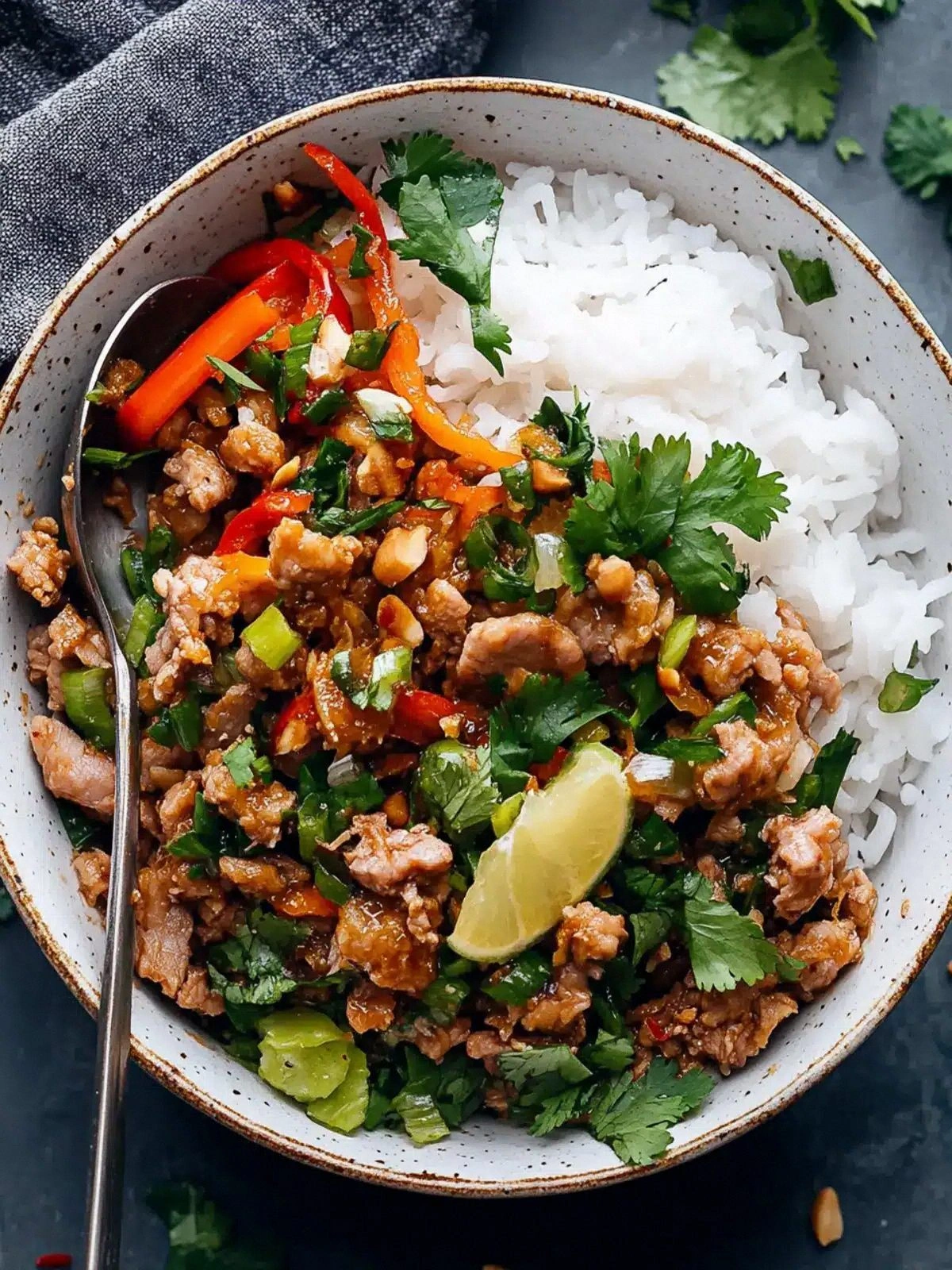
The Method — Step by Step
- Start by heating a large skillet over medium‑high heat. Add the vegetable oil and let it shimmer. Once hot, add the minced pork, breaking it apart with a spatula. The pork should sizzle immediately; let it sear for 3–4 minutes until it starts to brown. This step locks in flavor and creates a caramelized crust that adds depth to the sauce.
- Add the sliced onion and minced garlic to the pan. Stir frequently, letting the onion soften and the garlic release its aroma. When the onion turns translucent, it signals that the base is ready. The aroma should be sweet and savory, hinting at the sauce to come.
- Introduce the lemongrass, crushing it slightly with the back of a spoon to release its oils. The lemongrass will release a bright citrus scent that permeates the pan. Cook for 2 minutes, letting the lemongrass infuse the pork and onion mixture.
- Stir in the brown sugar, fish sauce, and sweet dark soy sauce. The sugars should dissolve quickly, creating a glossy glaze. The fish sauce adds umami, while the dark soy sauce deepens the color. This is the moment of truth—watch the mixture bubble and thicken.
- Reduce the heat to medium and add the mild chillies, ground pepper, and the whole bird’s eye chilli (remove seeds if you want less heat). Stir well to combine. The chilli should give a subtle warmth without burning the pork. Keep an eye on the mixture; it should be fragrant and slightly glossy.
- Sprinkle the corn flour over the mixture and stir vigorously to avoid lumps. The corn flour will thicken the sauce, giving it a silky, glossy finish. Let it cook for 1–2 minutes, watching as the sauce thickens and clings to the pork.
- Add a splash of water if the sauce seems too thick; it should coat the pork but not be soupy. Taste and adjust seasoning—add a pinch more fish sauce if you need saltiness or a touch more sugar for sweetness. This is the fine‑tuning stage where the dish becomes perfect.
- Turn off the heat, sprinkle the chopped coriander, and give the mixture one final stir. The coriander should add a fresh burst of color and flavor. Serve immediately over steaming rice, topping with extra coriander if desired.
That’s it— you did it. But hold on, I’ve got a few more tricks that will take this to another level…
Insider Tricks for Flawless Results
The Temperature Rule Nobody Follows
Cooking pork mince at the right temperature is crucial. If the heat is too low, the meat will steam and lose its caramelized edges. If it’s too high, the fat will render too quickly, leaving the pork dry. Aim for a medium‑high heat that keeps the pan hot enough for a quick sear but not so hot that the oil smokes. I’ve found that a 3–4 minute sear before adding liquids gives the best flavor.
Why Your Nose Knows Best
Smell is the secret judge of doneness. When the lemongrass and pork hit the pan, the aroma should be bright and citrusy. As the sauce thickens, you’ll notice a sweet, caramelized scent. If the smell is overly fishy or metallic, you’ve over‑cooked the fish sauce or added too much oil. Trust your nose to guide you to the perfect balance.
The 5‑Minute Rest That Changes Everything
After cooking, let the pork bowl rest for five minutes before serving. This allows the flavors to settle and the sauce to thicken slightly. It also gives the rice a chance to absorb the juices, making every bite more cohesive. A quick rest can transform a good dish into an unforgettable one.
The Secret of Fresh Lemongrass
If you’re using frozen lemongrass, thaw it at room temperature for 15 minutes before slicing. Frozen stalks can be tough and won’t release their oils as efficiently. Fresh stalks, on the other hand, are pliable and infuse the sauce quickly. A quick squeeze of the stalk’s ends before slicing can also release more flavor.
The Quick Garnish Trick
Add a splash of lime juice right before serving for a bright, tangy finish that cuts through the richness. A few micro‑leaves of cilantro or a sprinkle of toasted sesame seeds add texture and a nutty aroma. These final touches elevate the dish from simple to spectacular.
Creative Twists and Variations
This recipe is a playground. Here are some of my favorite ways to switch things up:
Teriyaki Twist
Swap fish sauce for teriyaki sauce and add a splash of mirin. The result is a sweeter, Japanese‑inspired bowl that pairs well with pickled ginger.
Thai Curry Flavor
Add a tablespoon of red curry paste and a splash of coconut milk. The coconut’s creaminess balances the lemongrass, while the curry paste adds depth and heat.
Korean BBQ Variation
Use bulgogi sauce instead of fish sauce, and sprinkle sesame seeds on top. The smoky, sweet profile pairs beautifully with the bright lemongrass.
Vegetarian Version
Replace pork with ground tempeh or tofu. The texture changes, but the sauce still clings beautifully, making it a hearty plant‑based option.
Low‑Carb Upgrade
Serve the bowl over cauliflower rice instead of steamed rice. The low‑carb base keeps the dish light while still soaking up the sauce.
Storing and Bringing It Back to Life
Fridge Storage
Cool the bowl to room temperature, then transfer to an airtight container. Store in the refrigerator for up to 3 days. The sauce may thicken slightly; a splash of water or broth will re‑soften it.
Freezer Friendly
Pack the pork and sauce separately from the rice to avoid sogginess. Freeze each component for up to 2 months. Thaw overnight in the fridge before reheating.
Best Reheating Method
Reheat the pork and sauce in a skillet over medium heat, adding a splash of water or broth to loosen the sauce. Warm the rice in the microwave or on the stove, then combine. This method preserves the sauce’s silky texture and the rice’s fluffiness.