Love this? Pin it for later! 📌
There’s a certain kind of magic that happens when the first real cold snap arrives. The windows fog, the kettle whistles non-stop, and my kitchen turns into a sanctuary of warmth and scent. A few winters ago, after a particularly brutal week of below-zero mornings, I craved something that tasted like the season itself—earthy, honest, and deeply comforting. I rummaged through the crisper drawer and pulled out whatever root vegetables had survived the weekly shop: knobby carrots, candy-stripe beets, a softball-sized rutabaga, and a lone parsnip that looked like it had been through a windstorm. I chopped them into rustic chunks, showered them with garlic and thyme, and slid them into the oven. An hour later, the smell curling through the house was so intoxicating that my neighbor knocked to ask what I was baking. That accidental tray of vegetables became this Rustic Roasted Root Vegetable Medley with Garlic and Thyme—now my most-requested winter main dish. It’s humble enough for a Tuesday night supper yet stunning enough to anchor a holiday table. Every bite tastes like cold air on your cheeks, wool mittens drying by the fire, and the quiet satisfaction of feeding people you love.
Why This Recipe Works
- One-Pan Simplicity: Everything roasts together on a single sheet pan, meaning minimal dishes and maximum caramelization.
- Deep, Complex Flavor: A high-heat roast concentrates natural sugars, turning edges candy-crisp while centers stay velvety.
- Customizable to Your Crisper Drawer: Swap in any root vegetable—turnips, celeriac, sweet potato—without changing method.
- Plant-Powered Nutrition: Each serving delivers a rainbow of antioxidants, fiber, and slow-burning carbohydrates.
- Make-Ahead Marvel: Roast a double batch on Sunday; reheat through the week for grain bowls, omelet fillings, or soup toppers.
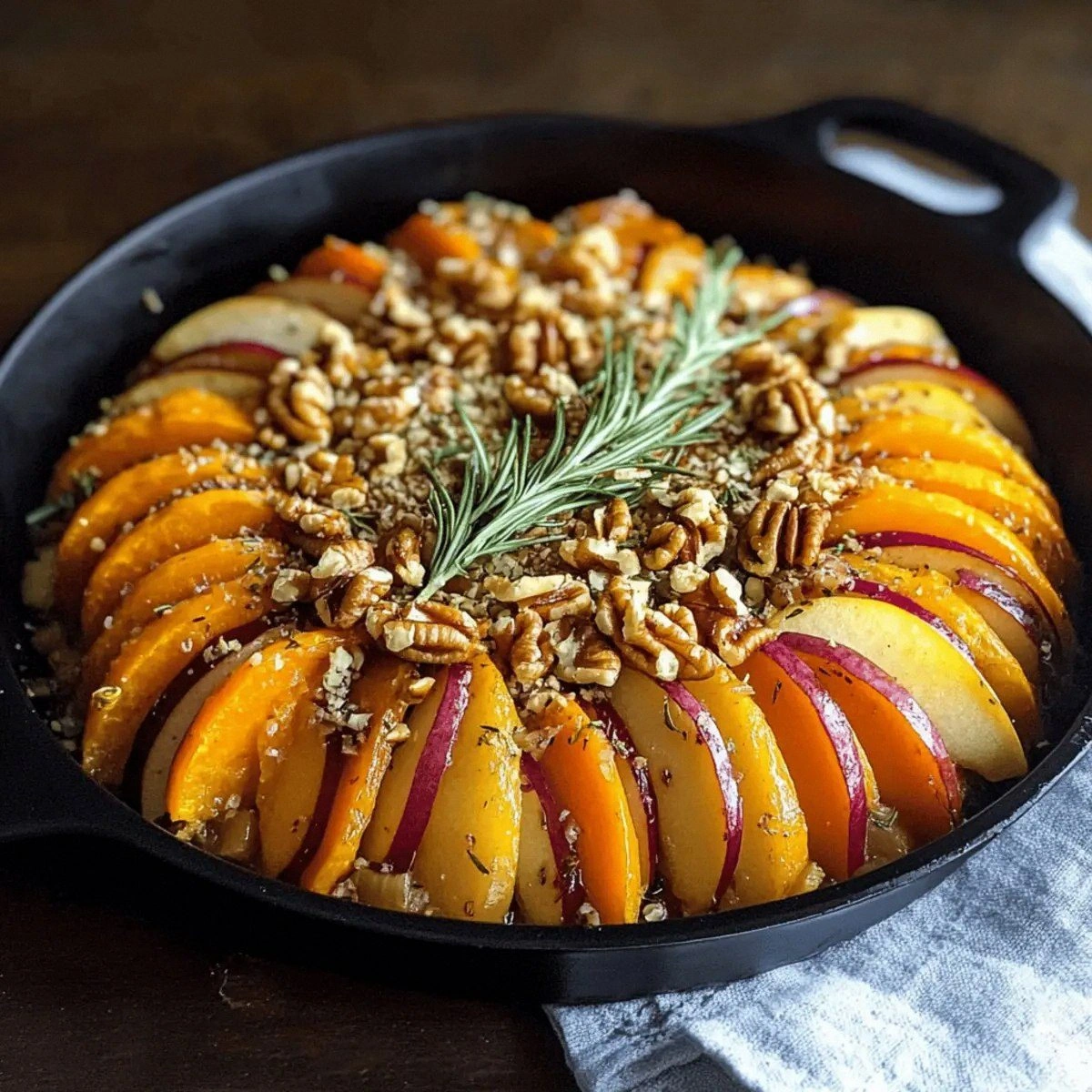
- Holiday-Ready Presentation: Jewel-toned beets and golden parsnips look like stained glass on a platter—no garnish required.
- Budget-Friendly Luxury: Feeds six for the price of a single restaurant entrée, proving comfort food doesn’t have to be costly.
Ingredients You'll Need
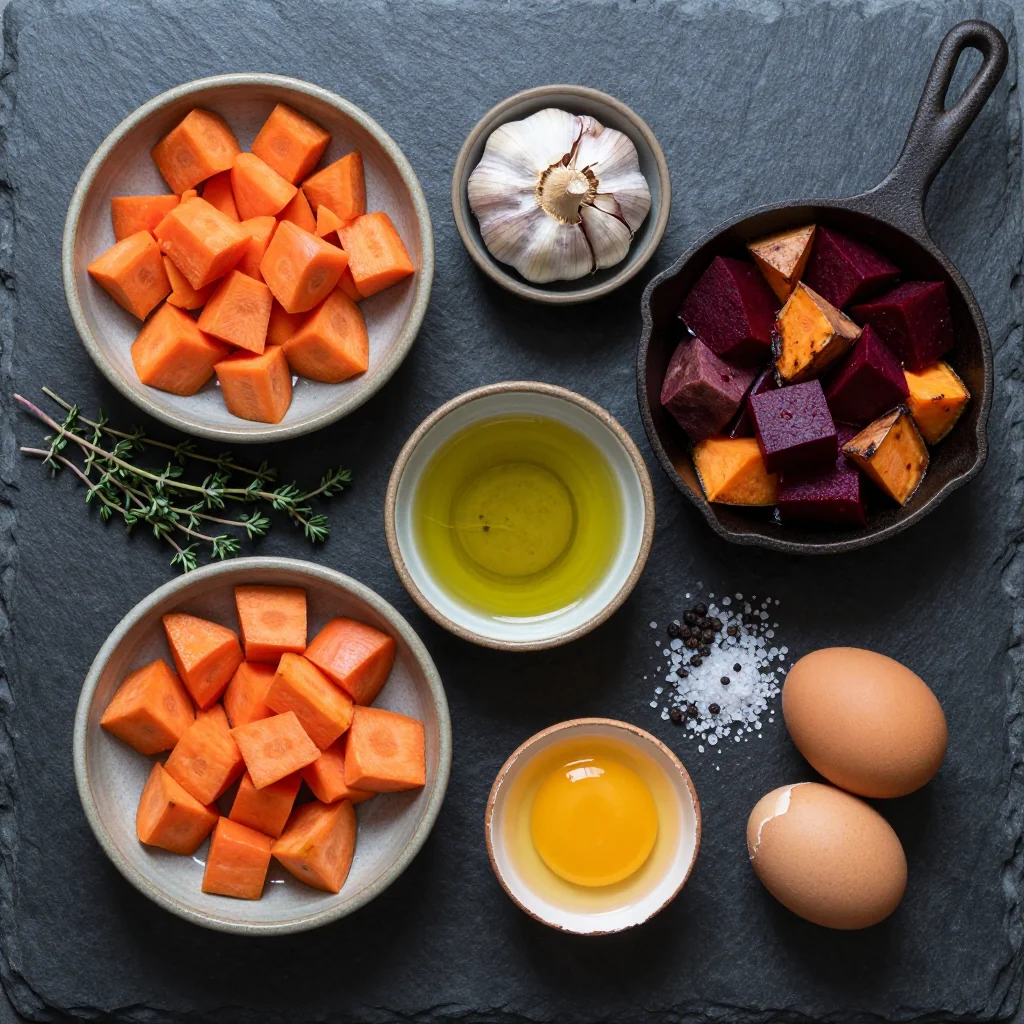
Great roast vegetables start at the market. Look for firm, unblemished specimens with taut skin—wrinkles signal dehydration and will translate to leathery edges. If you can buy them with dirt still clinging, do it; they last longer and taste sweeter once scrubbed.
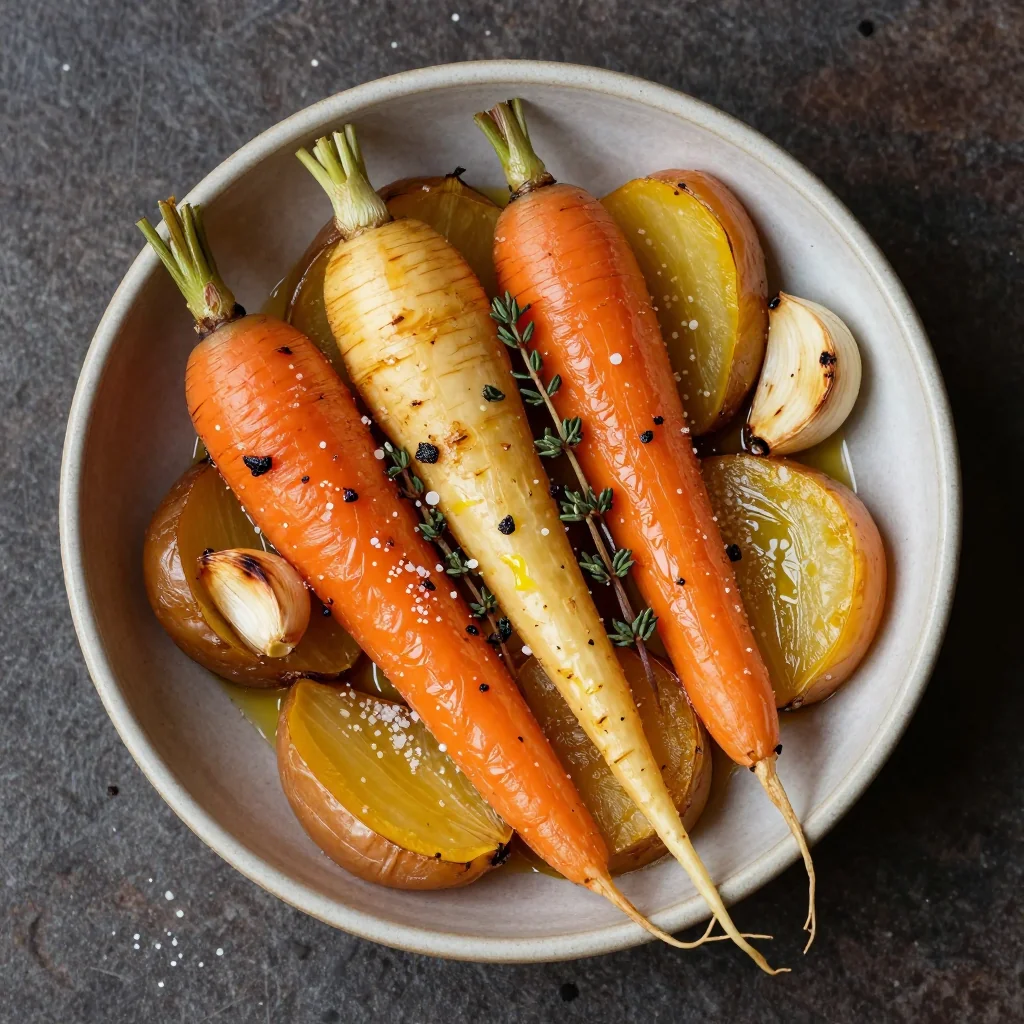
Carrots – Choose thick, farmer-style carrots over bagged baby ones. Their cores are tender and they roast into meaty coins. Purple or yellow varieties add visual drama, but orange is reliably sweet. Peel only if the skin is tough; a good scrub often suffices.
Parsnips – Seek small-to-medium roots; larger parsnips have woody centers that need coring. The aroma should remind you of honey and parsley. If tops are attached, they should look fresh, not limp.
Beets – I mix red and golden for color contrast. Remove greens (save for sautéing) to prevent moisture loss from the root. Skin slips off after roasting, so no need to peel beforehand.
Rutabaga – Often overlooked, rutabaga becomes silky and almost buttery when roasted. Its waxy skin needs peeling, but the faint cabbage-like sweetness pairs brilliantly with thyme.
Red Onion – Adds gentle pungency that mellows into jammy sweetness. Cut through the root so petals stay intact and don’t burn.
Garlic – Leave cloves unpeeled; they steam inside their skins, turning into spreadable nuggets you can squeeze onto crusty bread.
Fresh Thyme – Woody stems hold up to high heat; leaves crisp and perfume the oil. In a pinch, substitute 1 tsp dried thyme per tablespoon fresh, but fresh is worth the splurge.
Extra-Virgin Olive Oil – Use a generous hand; oil conducts heat and fosters caramelization. A fruity, peppery oil adds backbone.
Maple Syrup – Just a tablespoon to accelerate browning and add subtle smoky sweetness. Honey works, but maple feels more wintery.
Smoked Paprika – Optional, yet it deepens color and adds whispery campfire notes that make guests ask, “What’s that flavor?”
Flaky Sea Salt & Fresh Cracked Pepper – Season in layers: toss with oil first, then finish with a final snow of salt right out of the oven to heighten crunch.
How to Make Rustic Roasted Root Vegetable Medley with Garlic and Thyme for Winter
Preheat & Prep Pan
Position rack in lower-middle of oven and preheat to 425 °F (220 °C). This spot ensures bottom browning without over-charring tops. Line a rimmed 13×18-inch sheet pan with parchment for easy release, or use a heavy-duty roasting pan for deeper caramelized edges.
Wash & Cut Vegetables
Scrub carrots and parsnips under cold water; peel only if skin is thick. Slice on a sharp diagonal into 1-inch pieces—angled cuts expose more surface area for browning. Peel rutabaga with a chef’s knife, slice into ¾-inch half-moons, then into bite-size wedges. Halve beets through the root; cut each half into 3–4 wedges. Slice red onion into ½-inch petals, keeping root attached so they fan out rather than separate.
Make Flavor Base
In a small jar, combine ⅓ cup olive oil, 2 tablespoons chopped fresh thyme leaves, 1 tablespoon maple syrup, 1 teaspoon smoked paprika, 1 ½ teaspoons kosher salt, and ½ teaspoon freshly cracked black pepper. Shake vigorously until emulsified and syrupy.
Toss & Arrange
Pile vegetables onto the prepared pan. Pour over two-thirds of the thyme oil; reserve the rest for later. Using clean hands, toss until every piece glistens. Spread into a single layer, grouping denser vegetables (rutabaga, carrot) toward the edges where heat is strongest. Nestle whole, unpeeled garlic cloves among the vegetables—they’ll roast into soft, mellow morsels.
First Roast
Slide pan into oven and roast 25 minutes undisturbed. This initial blast evaporates surface moisture, jump-starting caramelization. While you wait, sip something hot and resist opening the door—steam released now will sabotage browning later.
Flip & Re-coat
Remove pan, quickly flip vegetables with a thin metal spatula, scraping up any stuck bits—these are flavor gold. Drizzle remaining thyme oil and return to oven. Rotate pan 180 degrees for even heat exposure.
Continue Roasting
Roast another 20–25 minutes, until edges are deeply browned and a cake tester slides through rutabaga with no resistance. Beets will look glossy; carrots should wrinkle like autumn leaves. If some pieces brown faster, transfer them to a serving bowl and return pan to oven—vegetables rarely cook evenly, and that’s okay.
Finish & Serve
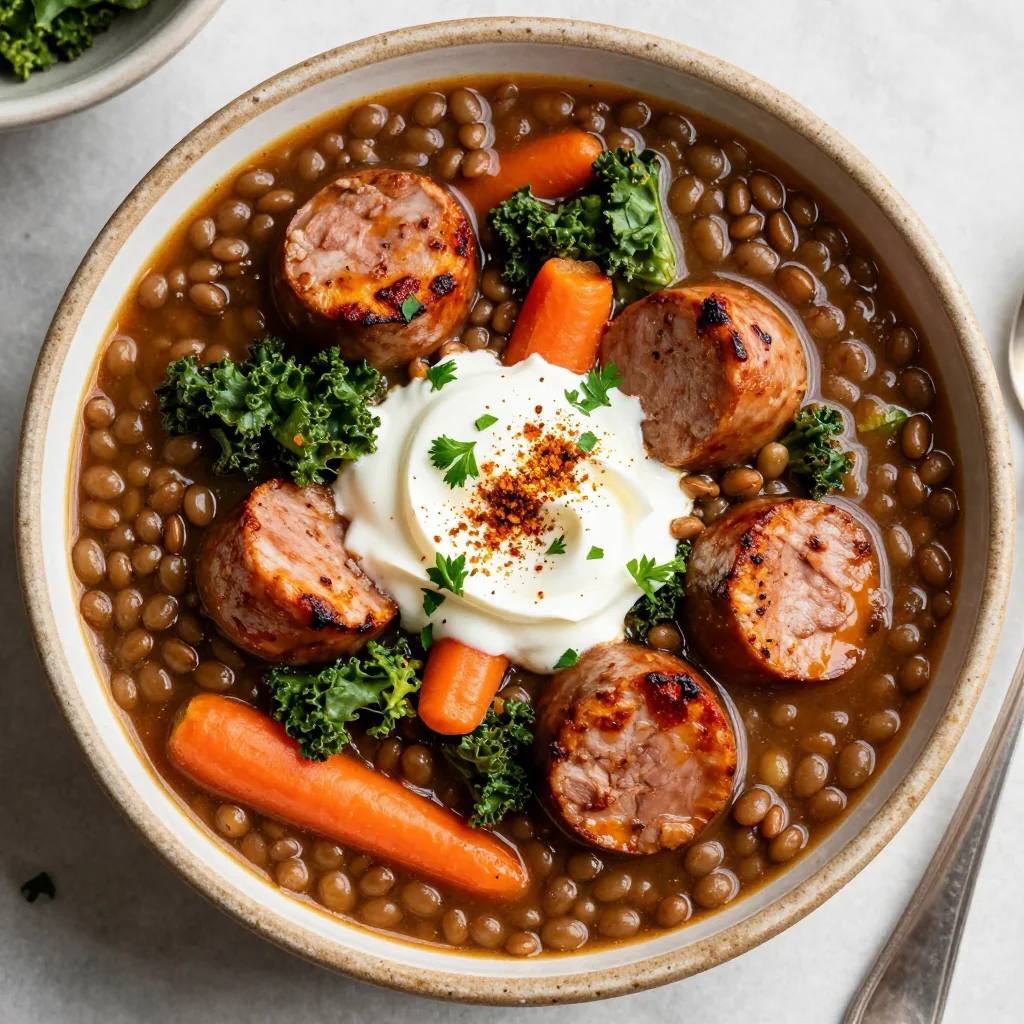
Transfer hot vegetables to a warm platter. Sprinkle with flaky sea salt and an extra shower of fresh thyme leaves. Squeeze roasted garlic from skins and mash into olive oil for tableside schmearing. Serve straight-up as a vegetarian main, or alongside lentils, polenta, or roast poultry.
Expert Tips
High Heat is Non-Negotiable
425 °F is the sweet spot—hot enough to caramelize, not so hot garlic burns. If your oven runs cool, use convection and reduce time by 5 minutes.
Dry = Crisp
Pat vegetables very dry after washing. Excess water creates steam, the enemy of browning. If prepping ahead, store cut veg in a paper-towel–lined container.
Don’t Crowd the Pan
Overcrowding traps steam. If doubling, use two pans on separate racks, switching halfway.
Overnight Flavor Boost
Toss vegetables with oil and spices the night before; cover and chill. The salt gently seasons the interior, yielding deeper flavor.
Rotate for Evenness
Ovens have hot spots. Halfway through, rotate pan front-to-back and switch racks if using multiple pans.
Size Matters
Cut denser vegetables smaller so everything finishes together. Carrot coins should match beet wedges in thickness.
Variations to Try
-
Moroccan Spice: Swap thyme for 1 teaspoon ras el hanout and finish with chopped preserved lemon and cilantro. Drizzle with harissa-spiked yogurt.
-
Sweet & Heat: Replace maple with 1 tablespoon pomegranate molasses and add ½ teaspoon chipotle powder. Top with ruby arils before serving.
-
Herb Garden: Use rosemary and sage instead of thyme. Add a halved lemon to the pan; squeeze charred juice over vegetables for brightness.
-
Protein-Packed: Add a can of drained chickpeas during the last 15 minutes for crunchy edges, or tuck in spicy Italian sausages for a one-pan supper.
-
Root-Free: Replace half the roots with winter squash and Brussels sprouts; adjust cooking time accordingly.
Storage Tips
Refrigerate: Cool completely, then pack into airtight glass containers. They’ll keep 5 days without texture loss. Line the container with a sheet of paper towel to absorb condensation and prevent sogginess.
Freeze: Spread cooled vegetables on a parchment-lined tray; freeze until solid, then transfer to freezer bags. They’ll keep 3 months. Reheat directly from frozen on a hot sheet pan at 400 °F for 12–15 minutes, restoring crisp edges.
Make-Ahead for Entertaining: Roast up to 48 hours ahead. Store undercooked by 5 minutes; reheat uncovered at 400 °F for 10 minutes just before guests arrive. A final brush of olive oil revives the sheen.
Leftover Love: Chop and fold into couscous with feta and mint; blitz into a smoky soup with stock and cream; or tuck into grilled cheese for the ultimate autumn sandwich.
Frequently Asked Questions
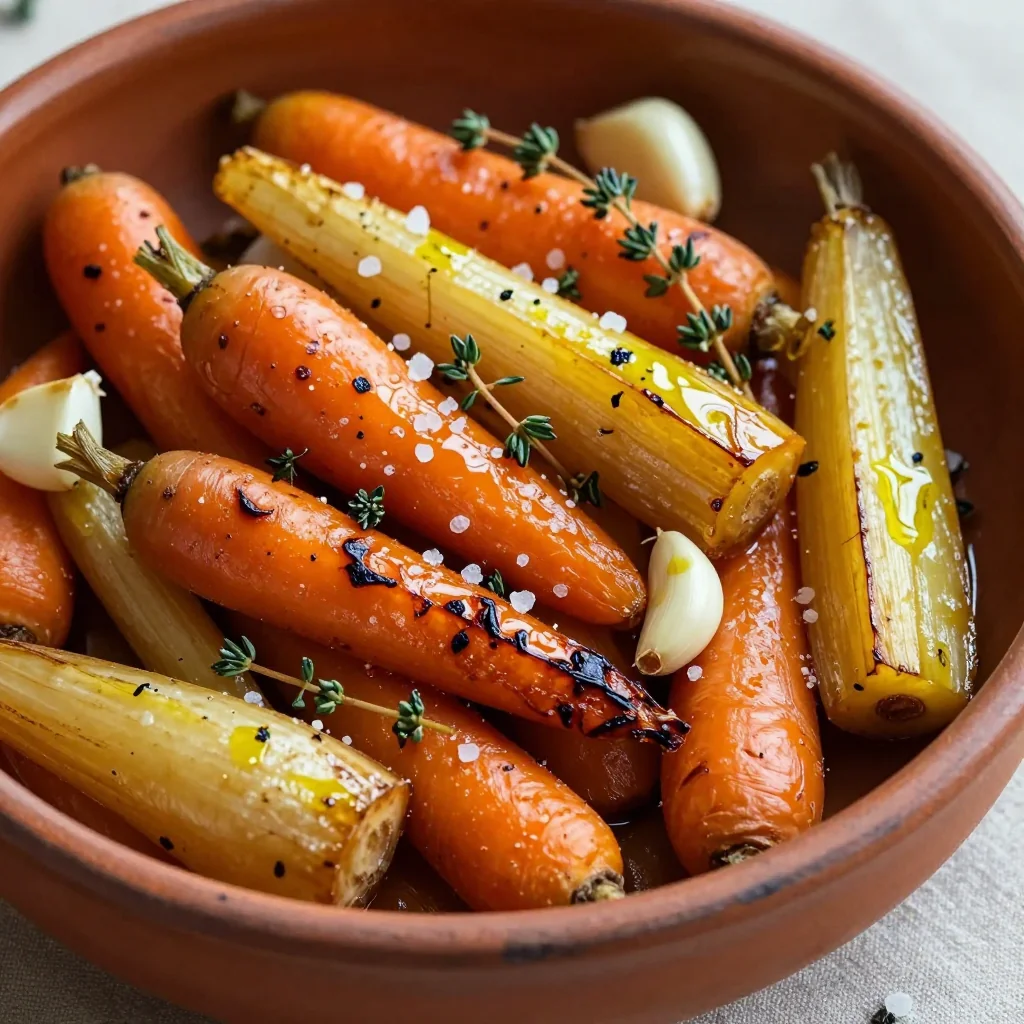
Rustic Roasted Root Vegetable Medley with Garlic and Thyme for Winter
Ingredients
Instructions
- Preheat oven: Set to 425 °F (220 °C). Line a rimmed sheet pan with parchment.
- Prep vegetables: Wash, peel as needed, and cut into even-sized pieces.
- Make oil mixture: Shake together olive oil, thyme, maple syrup, paprika, salt, and pepper.
- Toss & arrange: Coat vegetables with two-thirds of the oil mixture; spread on pan with garlic.
- First roast: Bake 25 minutes undisturbed.
- Flip & finish: Turn vegetables, drizzle remaining oil, roast 20–25 minutes more until tender and browned.
- Serve: Finish with flaky salt and fresh thyme leaves. Squeeze roasted garlic onto crusty bread or mash into vegetables.
Recipe Notes
Vegetables can be prepped and tossed with oil up to 24 hours ahead; store covered in the refrigerator. Reheat on a hot sheet pan to restore crisp edges.