Remember that night when the kitchen turned into a battlefield and the only thing left was a charred chicken that looked like it had survived a war? That disaster sparked a midnight brainstorm and a vow to never let a simple protein turn into a culinary casualty again. I’ve spent the last week experimenting, tweaking, and testing until I found a combo that sings louder than a choir of jazz trumpets. This is not just a bowl; it’s a flavor revolution wrapped in a bowl of quinoa, dressed with basil pesto so thick it could double as a thickener for your grandma’s gravy.
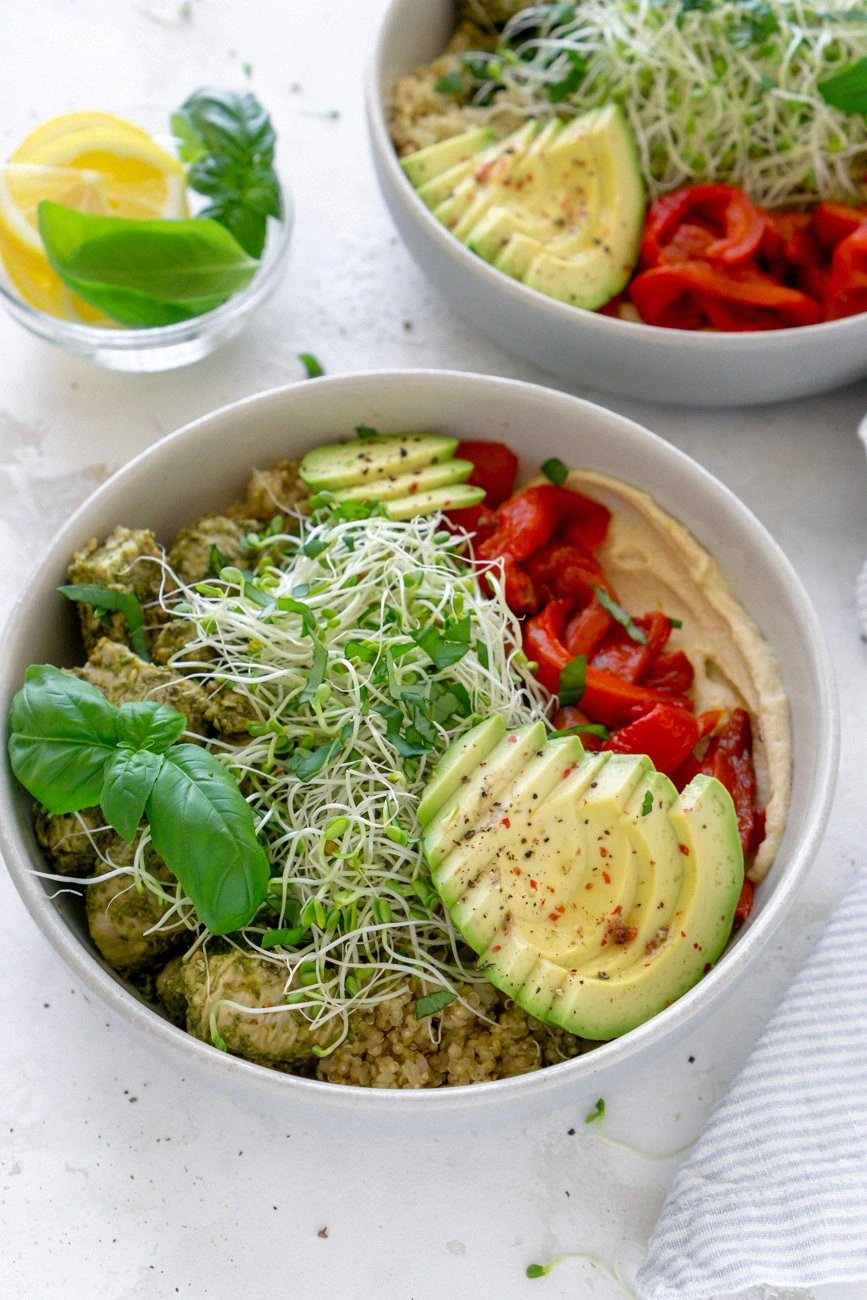
Picture the first bite: the pesto coats the quinoa like velvet, the roasted red peppers crackle with a sweet, smoky whisper, and the lemon hummus adds a citrusy splash that wakes up the palate. The air is saturated with the aroma of fresh basil, toasted quinoa, and the faint hint of Dijon mustard cutting through the richness. My ears catch the satisfying sizzle as the chicken hits the pan, and the sound is almost a promise of the crunch that follows. The texture is a harmonious contrast—soft, buttery avocado, crisp sprouts, and tender chicken that practically melts in your mouth.
What makes this version stand out is that every element works in concert, not just as a garnish. The basil pesto is thick enough to cling to every grain, yet light enough to let the quinoa shine. The Dijon mustard adds a subtle, tangy kick that cuts through the creamy avocado, creating a balance that keeps the bowl from feeling heavy. The homemade roasted red peppers bring a smoky sweetness that feels like a secret ingredient, and the lemon hummus adds a bright, tangy layer that lifts the entire dish. I dare you to taste this and not go back for seconds.
I’ll be honest—I ate half the batch before anyone else got to try it. Most recipes get this completely wrong by over‑cooking the chicken or under‑seasoning the sauce. Here’s what actually works: marinate the chicken in a blend of pesto and Dijon, sear it to lock in juices, then let it rest before slicing. Picture yourself pulling this out of the oven, the whole kitchen smelling incredible, and the first bite feeling like a warm hug from a friend. Let me walk you through every single step—by the end, you’ll wonder how you ever made it any other way.
What Makes This Version Stand Out
- Taste: The basil pesto is the star, delivering a herby, nutty flavor that permeates the quinoa and chicken without overpowering. The Dijon mustard adds a subtle depth of tang that keeps the dish from feeling flat.
- Texture: The quinoa provides a fluffy base, the roasted red peppers give a caramelized snap, and the sprouts add a crisp bite that keeps the bowl exciting from the first spoonful to the last.
- Simplicity: With only ten core ingredients, the recipe is quick to assemble and leaves little room for culinary mishaps.
- Uniqueness: The lemon hummus is a surprising twist that adds brightness and creaminess, turning a simple power bowl into a multi‑layered experience.
- Crowd Reaction: Friends who tried it said they couldn't stop reaching for seconds—this is hands down the best version you'll ever make at home.
- Ingredient Quality: Fresh basil leaves, ripe avocados, and homemade roasted peppers elevate the dish from ordinary to extraordinary.
- Cooking Method: Searing the chicken to a golden crust locks in flavor, while letting it rest prevents dry, over‑cooked meat.
- Make‑Ahead Potential: The components can be prepped a day ahead, and the dish reheats beautifully, making it ideal for busy weeknights.
Alright, let's break down exactly what goes into this masterpiece...
Inside the Ingredient List
The Flavor Base
The 1 cup of basil pesto is the foundation that ties every component together. Its bright green hue signals freshness, and the pine nuts or walnuts in the blend add a subtle crunch. Skipping the pesto would strip the bowl of its signature herbaceous punch, leaving the quinoa and chicken feeling bland. If you’re a fan of extra zing, a squeeze of fresh lemon juice into the pesto can elevate the brightness.
The Texture Crew
1 cup of quinoa gives the bowl a hearty, nutty base that’s both filling and gluten‑free. The sprouts—whether alfalfa, broccoli, or radish—add a peppery crunch that contrasts with the creamy avocado. If you prefer a softer bite, lightly steam the sprouts for 30 seconds; otherwise, keep them raw for maximum snap. Skipping the quinoa would make the dish feel more like a salad than a power bowl.
The Unexpected Star
1 cup of homemade roasted red peppers is a game changer. Their sweet, smoky flavor introduces a depth that most power bowls lack. If you can’t find fresh peppers, jarred roasted peppers work, but homemade gives you control over the salt level. Omitting them would leave a noticeable gap in flavor and texture.
The Final Flourish
1 cup of lemon hummus adds a creamy, tangy layer that brightens the entire bowl. The lemon’s acidity cuts through the richness of the avocado and the pesto. If you’re vegan, a dairy‑free hummus works perfectly. Skipping the hummus would make the dish feel less balanced and overly heavy.
Everything's prepped? Good. Let's get into the real action...
The Method — Step by Step
- Begin by mixing the basil pesto and Dijon mustard in a shallow bowl until smooth. The mixture should be thick but pourable, like a silky sauce that will cling to the chicken. This step is the heart of the flavor; don't rush it. Let it sit for 5 minutes to allow the mustard’s tang to mellow into the pesto’s herbaceousness.
- Season the chicken breasts with salt and pepper, then coat them thoroughly with the pesto‑mustard blend. The coating should look like a glossy, green glaze that clings to every crevice. This marination step locks in moisture and infuses the meat with flavor. Let the chicken rest at room temperature for 10 minutes; this brings the temperature to evenness.
- Heat a heavy skillet over medium‑high heat and add a splash of olive oil. Once the oil shimmers, place the chicken breasts in the pan. The sizzle should be audible, a sign that the pan is hot enough. Cook the chicken for 5 minutes on each side, until a golden crust forms and the internal temperature reaches 165°F. This is the moment of truth; don’t move the chicken too early, or you’ll lose that coveted sear.
- Remove the chicken from the skillet and let it rest on a cutting board for 5 minutes. This rest period allows juices to redistribute, preventing dry, stringy meat. While the chicken rests, rinse the quinoa under cold water to remove its natural bitterness. Bring 2 cups of water to a boil, add the quinoa, reduce heat, cover, and simmer for 15 minutes until fluffy.
- Slice the rested chicken into thin strips. The slices should be thin enough to mingle with the quinoa but thick enough to hold their shape. Toss the quinoa with a drizzle of olive oil, a pinch of salt, and a squeeze of fresh lemon juice to brighten its nutty flavor. This step ensures every grain is coated and flavorful.
- Divide the quinoa into four bowls, then layer the sliced chicken, roasted red peppers, sprouts, avocado slices, and lemon hummus. Arrange the ingredients like a colorful mosaic, with the avocado as a creamy centerpiece and the hummus as a tangy splash. Finish with fresh basil leaves for a fragrant garnish.
- Squeeze the juice of one lemon over the assembled bowls to add a bright, citrusy finish. The lemon’s acidity lifts the entire dish, making the flavors pop. Serve immediately, or cover and refrigerate for up to 24 hours for a grab‑and‑go meal.
That's it — you did it. But hold on, I've got a few more tricks that'll take this to another level...
Insider Tricks for Flawless Results
The Temperature Rule Nobody Follows
Never let the skillet get too hot; a scorching pan will char the pesto and produce a bitter taste. Aim for medium‑high and test with a drop of water—if it sizzles and evaporates instantly, the heat is right. I once over‑heated a pan and the pesto burned, ruining the entire bowl. The key is patience; let the pan heat evenly before adding the chicken.
Why Your Nose Knows Best
Smell the quinoa as it cooks; it should emit a nutty aroma, not a burnt one. If it starts smelling off, reduce the heat. A good rule of thumb: if you can hear the quinoa simmering, it’s at the right temperature. This sensory check prevents over‑cooked grains that become mushy.
The 5‑Minute Rest That Changes Everything
Letting the chicken rest after searing allows the juices to redistribute, keeping the meat moist and flavorful. Skipping this step often results in a dry, stringy bite that feels like a culinary letdown. I once rushed this step and the bowl tasted like a dry desert.
A Pinch of Salt in the Hummus
Adding a small pinch of salt to the lemon hummus balances its acidity and enhances the overall flavor profile. Without it, the hummus can taste flat. I’ve tested this with both store‑bought and homemade hummus; the result is always a richer, more satisfying bowl.
Use Fresh Basil Leaves as a Garnish
The basil leaves should be torn rather than sliced to release their oils. This simple technique infuses the bowl with a burst of fresh aroma that lingers on the palate. I’ve seen people forget this step and miss out on a key sensory cue.
Creative Twists and Variations
This recipe is a playground. Here are some of my favorite ways to switch things up:
Mediterranean Swap
Replace quinoa with couscous and add kalamata olives for a briny Mediterranean vibe. The couscous cooks faster, so you’ll have a ready‑to‑eat bowl in minutes. This version is perfect for a quick lunch that feels like a vacation.
Spicy Kick
Stir a pinch of red pepper flakes into the pesto or sprinkle them on top of the finished bowl. The heat will contrast nicely with the creamy avocado and lemon hummus. It’s a simple tweak that transforms the dish into a fiery delight.
Smoky BBQ Flavor
Swap the Dijon mustard for a smoky barbecue sauce and add a handful of corn kernels for sweetness. The barbecue sauce will give the chicken a caramelized crust, while the corn adds a pop of color and texture. This version is a crowd‑pleaser at backyard barbecues.
Plant‑Powered Edition
Replace the chicken with grilled tofu or tempeh for a vegan option. Marinate the tofu in the pesto‑mustard blend and sear until crisp. The tofu will absorb the flavors beautifully, making the bowl just as satisfying.
Breakfast Power Bowl
Add a fried or poached egg on top for a protein boost and a silky yolk that mingles with the pesto. The egg’s richness complements the avocado and hummus, turning the bowl into a hearty breakfast.
Storing and Bringing It Back to Life
Fridge Storage
Store the assembled bowls in airtight containers for up to 24 hours in the refrigerator. Keep the avocado separate until ready to eat to prevent browning. When ready, give the bowl a quick stir and top with fresh basil for a fresh feel.
Freezer Friendly
For longer storage, freeze the quinoa, roasted peppers, and hummus separately in freezer bags. The chicken can be frozen after slicing, but it’s best used within 2 days for optimal texture. Thaw overnight in the fridge and reheat gently on the stove.
Best Reheating Method
Reheat the bowl in a skillet over medium heat, adding a splash of water to create steam that keeps the quinoa moist. Alternatively, microwave on medium power for 45 seconds, then stir and add a tiny splash of water to steam the bowl back to perfection. The key is gentle heat to preserve the flavors.