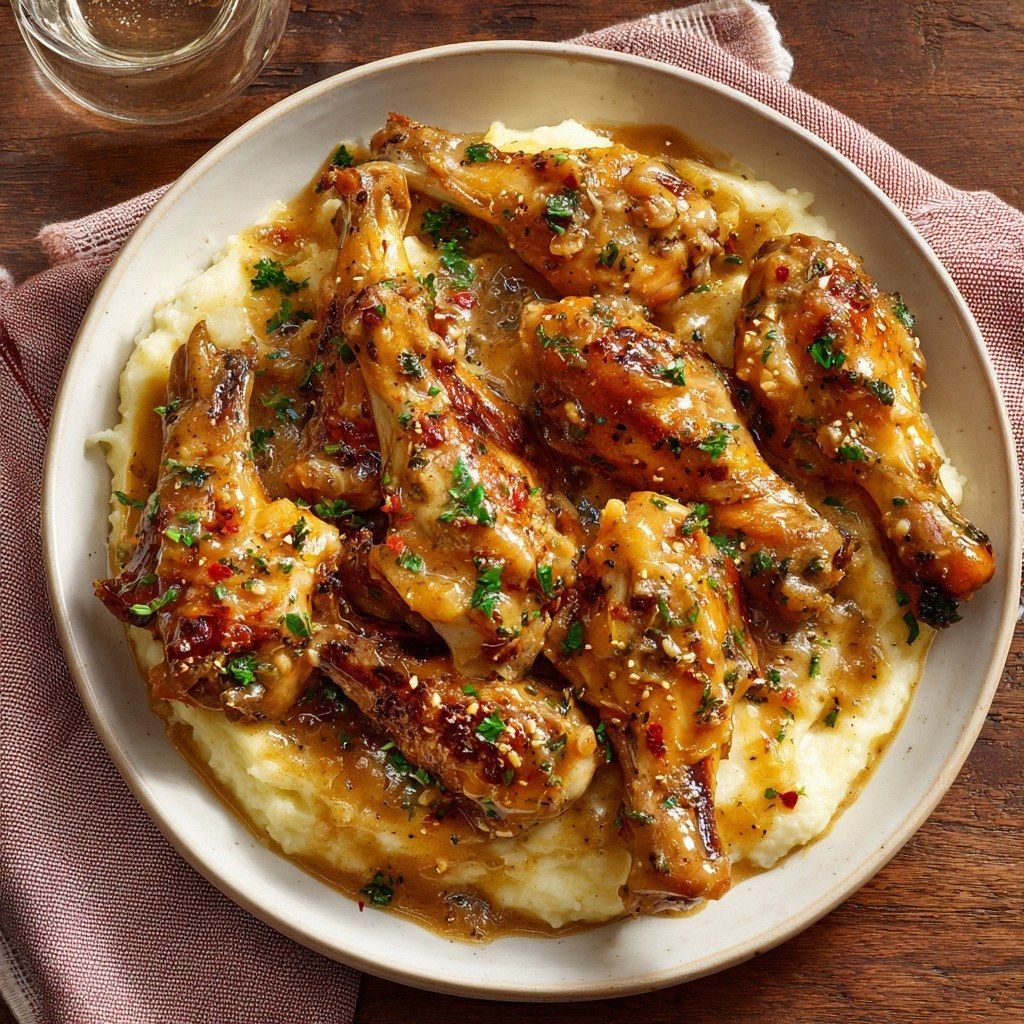
Picture this: I’m standing in my cramped kitchen, the timer on my old microwave buzzing like an angry bee, and a sudden craving for something that screams sunshine on a plate. I tried a half‑hearted “Mediterranean chicken” from a random blog, and what came out was a soggy mess that could barely be called food. I stared at the pan, sighed, and whispered a dare to the universe: “I’m going to nail this, or I’ll never trust a recipe again.” That moment of desperation sparked the creation of the ultimate One‑Pan Mediterranean Chicken, a dish so bold it makes ordinary weeknight meals look like background noise.
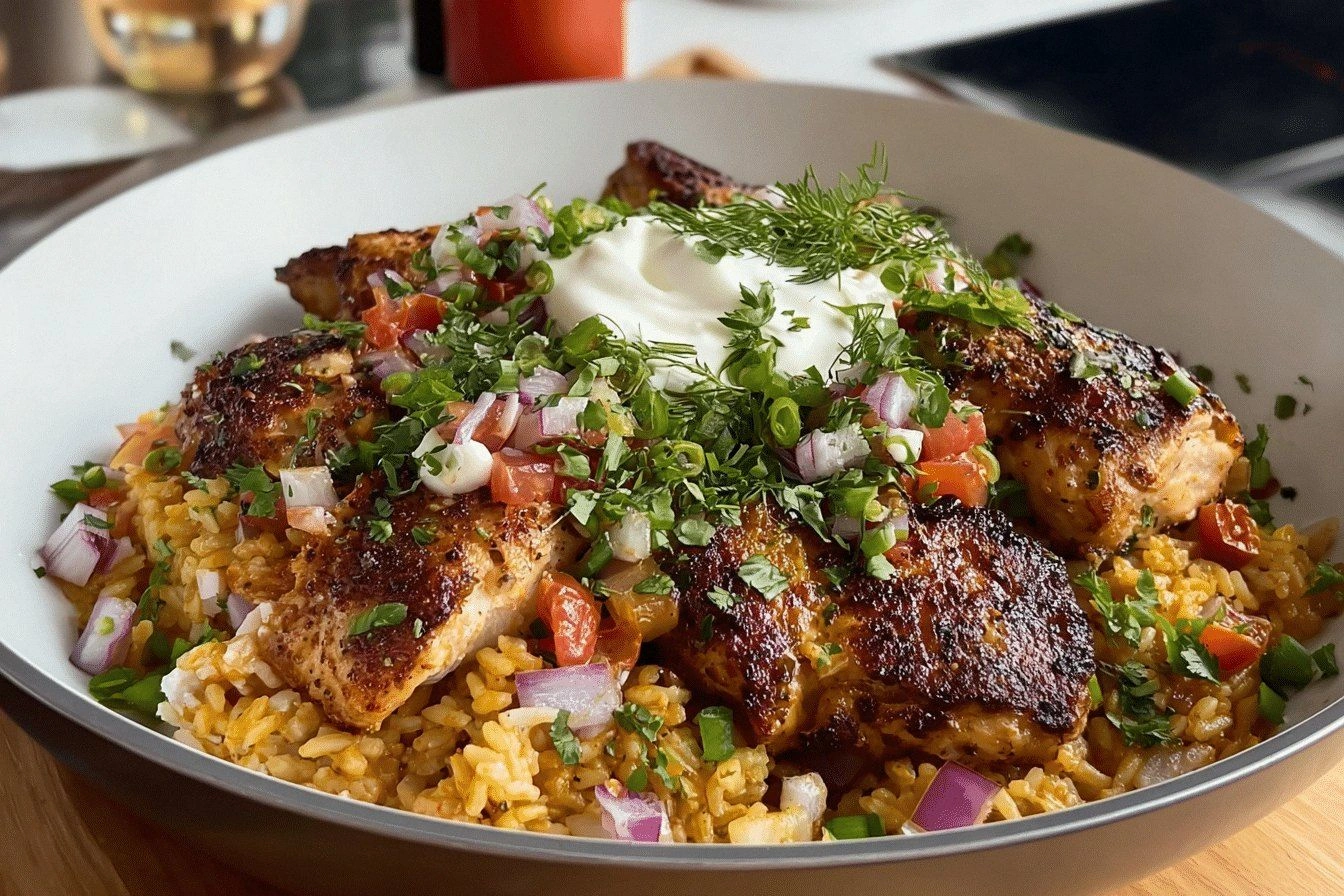
The moment the chicken hits the hot skillet, you hear a sizzle that’s practically a standing ovation from your stovetop. The aroma of garlic and cumin erupts, wrapping the kitchen in a fragrant hug that makes you want to hug the pan too. The colors—deep golden thighs, ruby‑red peppers, and bright green parsley—are a visual feast that could convince a painter to swap canvas for a skillet. I’ll be honest — I ate half the batch before anyone else got a chance to try it, and that’s because every bite is a symphony of juicy meat, fluffy rice, and a burst of Mediterranean sunshine.
What makes this version stand out? Most recipes get the basics right but miss the magic: the perfect balance of crisp skin and tender meat, the rice that stays separate and buttery, and the subtle herb finish that doesn’t overpower. I’ve tweaked the spice ratio, added a splash of chicken broth at just the right moment, and used a single pan to lock in every flavor. The result is a dish that’s hands down the best version you’ll ever make at home, and I dare you to taste this and not go back for seconds.
Now, let’s walk through every single step — by the end, you’ll wonder how you ever made it any other way. Okay, ready for the game‑changer? This next part? Pure magic. Stay with me here — this is worth it.
What Makes This Version Stand Out
- Flavor Explosion: The trio of cumin, paprika, and oregano creates a depth that’s both earthy and bright, coating each bite like a warm Mediterranean hug.
- Texture Harmony: Crispy, caramelized chicken skin meets fluffy, slightly toasted rice, giving you that satisfying contrast you crave.
- Simplicity: One pan, one stovetop, and a single cleanup—perfect for busy weeknights when you still want to impress.
- Ingredient Integrity: Using high‑quality olive oil and fresh parsley elevates the dish from “good” to “wow, where did you learn to cook?”
- Crowd‑Pleaser: Even the pickiest eaters love the sweet bell peppers and the subtle spice; it’s a safe bet for family dinners.
- Make‑Ahead Potential: The flavors meld beautifully overnight, so you can prep on Sunday and serve on Thursday without losing any zing.
- Versatile Base: Swap the rice for quinoa or cauliflower rice, and you’ve got a low‑carb version that still delivers the same bold profile.
- Visual Appeal: The rainbow of peppers and the glossy broth give the plate a restaurant‑worthy look without any plating tricks.
Inside the Ingredient List
The Flavor Base
Olive oil is the liquid gold of Mediterranean cooking. It carries the aromatics—garlic, onion, and spices—throughout the dish, ensuring every bite is evenly seasoned. If you skimp on the oil, the rice will cling to the pan and you’ll lose that silky mouthfeel. A good quality extra‑virgin olive oil adds a peppery finish that you can’t replicate with any other fat.
The Texture Crew
Chicken thighs are the unsung heroes of comfort food. Their higher fat content keeps them juicy, even after a high‑heat sear, and they absorb the spice blend like a sponge. Skipping thighs for breasts? Expect dry, flavor‑poor meat that will ruin the whole experience. If you must use breasts, pound them to an even thickness and brine briefly to retain moisture.
The Unexpected Star
Long‑grain rice is the canvas on which all these flavors paint their masterpiece. Its slender grains stay separate when cooked correctly, giving you that perfect, non‑mushy texture. Using short‑grain rice would turn the dish into a sticky risotto‑like mess, which is not the goal here. A quick rinse before cooking removes excess starch and prevents clumping.
The Final Flourish
Fresh parsley isn’t just a garnish; it adds a bright, herbaceous pop that cuts through the richness of the chicken and broth. If you leave it out, the dish can feel heavy after the first few bites. For a twist, try mint or cilantro for a different Mediterranean vibe.
Everything's prepped? Good. Let’s get into the real action…
The Method — Step by Step
Heat a large, heavy‑bottomed skillet over medium‑high heat and add the olive oil. When the oil shimmers, lay the chicken thighs skin‑side down, pressing them gently so the skin makes full contact with the pan. Let them sear undisturbed for 5‑6 minutes; you’ll hear a satisfying sizzle that signals a perfect crust is forming. Flip the thighs and brown the other side for another 4 minutes, then set them aside on a plate.
In the same pan, add the minced garlic and diced onion. Stir constantly for about 2 minutes until the onion becomes translucent and the garlic releases its perfume—this is the moment your kitchen starts smelling like a seaside market. Watch out: If the garlic burns, it turns bitter, so keep the heat at medium and add a splash of broth if it looks dry.
Slice the bell peppers into thin strips and add them to the pan. Cook for 3‑4 minutes, allowing the edges to caramelize just enough to bring out their natural sweetness. The peppers should retain a slight crunch—think of them as colorful confetti that adds texture without turning mushy.
Stir in the rice, letting each grain toast lightly for 2 minutes. This step is crucial: toasted rice absorbs the broth more evenly, preventing soggy pockets. As the rice turns a delicate golden hue, you’ll notice a faint nutty scent—this is the foundation of that perfect, fluffy bite.
Return the browned chicken thighs to the skillet, skin side up, nestling them among the rice and veggies. Sprinkle the cumin, paprika, and oregano evenly over everything. Then pour the chicken broth around the pan, ensuring the liquid covers the rice but does not drown the chicken. The broth should bubble gently—if it’s a roar, the heat is too high.
Reduce the heat to low, cover the skillet tightly with a lid or foil, and let the whole ensemble simmer for 20‑25 minutes. Resist the urge to peek; steam is doing its job, turning the rice into tender pearls while the chicken finishes cooking through. When the timer dings, the rice should be fluffy and the chicken’s internal temperature should read 165°F (74°C).
Turn off the heat and let the pan rest, still covered, for 5 minutes. This resting period lets the juices redistribute, keeping the chicken moist and the rice perfectly moist. After the pause, sprinkle the chopped fresh parsley over the top, adding a bright green finish that looks as good as it tastes.
Serve straight from the skillet, scooping generous portions of chicken, rice, and peppers onto each plate. That first bite? Expect a burst of savory broth, a hint of smoky paprika, and a buttery rice texture that clings lovingly to the fork. I dare you to taste this and not go back for seconds—because you will.
That's it — you did it. But hold on, I've got a few more tricks that'll take this to another level…
Insider Tricks for Flawless Results
The Temperature Rule Nobody Follows
Never start with a cold pan. Pre‑heat your skillet for at least a minute before adding oil; this ensures the chicken skin sears instantly, locking in juices. I once tried the “cold‑start” method and ended up with soggy skin that stuck to the pan like a bad relationship. The secret is a hot surface that creates a barrier, giving you that coveted crispy edge.
Why Your Nose Knows Best
When the broth starts to bubble, trust your sense of smell. If you detect a faint caramel note, you’re on the right track; a burnt aroma means the heat is too high. I’ve learned to pause and inhale deeply—if the scent feels sweet and earthy, the spices are marrying perfectly.
The 5‑Minute Rest That Changes Everything
After the simmer, keep the lid on and let the dish rest. Those five minutes allow the rice grains to finish steaming and the chicken fibers to relax, preventing a dry bite. Skipping this step is like cutting a movie short—you miss the satisfying resolution.
Salt Timing – A Silent Hero
Add a pinch of salt to the broth right before it hits a boil. This timing ensures the salt dissolves completely and seasons the rice evenly. Adding salt too early can draw moisture out of the peppers, making them limp.
Pan Choice – The Unsung Champion
A heavy‑bottomed cast‑iron or enameled skillet distributes heat uniformly, preventing hot spots that can scorch the rice. My first attempts in a thin non‑stick pan resulted in unevenly cooked rice, turning the dish into a culinary roller coaster.
Creative Twists and Variations
This recipe is a playground. Here are some of my favorite ways to switch things up:
Sun‑Dried Tomato Surprise
Stir in a quarter cup of chopped sun‑dried tomatoes during the final simmer. The tangy sweetness adds a Mediterranean depth that pairs beautifully with the earthy cumin.
Spicy Kick
Add a finely sliced jalapeño or a pinch of red‑pepper flakes when sautéing the onions. The heat lifts the dish, making it perfect for those who love a little fire.
Herb‑Infused Variation
Swap fresh parsley for a blend of dill and mint. This herb combo gives the dish a fresh, garden‑like finish that’s especially lovely in summer.
Cheesy Finish
Scatter a handful of crumbled feta over the top just before serving. The salty, creamy cheese adds a luxurious texture that contrasts the crisp chicken skin.
Low‑Carb Switch
Replace the long‑grain rice with cauliflower rice. The cooking time drops dramatically, and you still retain the bold flavor profile while keeping carbs in check.
One‑Pot Pasta
Swap the rice for short pasta (like penne). Add an extra cup of broth to accommodate the pasta’s absorption needs, and you’ll have a hearty, comforting twist.
Storing and Bringing It Back to Life
Fridge Storage
Transfer leftovers to an airtight container and refrigerate for up to four days. The flavors actually meld and become more pronounced after a night, making next‑day lunches a delight.
Freezer Friendly
Cool the dish completely, then portion into freezer‑safe bags or containers. Freeze for up to three months. When you’re ready to eat, thaw overnight in the fridge and reheat on the stove with a splash of broth.
Best Reheating Method
Place the skillet (or a saucepan) over medium heat, add a tablespoon of water or broth, and cover. The steam revives the rice’s fluffiness and prevents the chicken from drying out. A quick stir before serving restores that restaurant‑fresh feel.