I was halfway through a bland, overcooked pancake stack when my friend texted, “You’re missing mango.” I stared at the sticky batter, the smell of burnt sugar in the air, and a sudden, almost guilty craving for something sweet, bright, and utterly tropical. I laughed, grabbed a ripe mango from the fridge, and decided that my breakfast routine needed a makeover. That night, the kitchen was a battleground of sizzling pans, the hiss of butter melting, and the sweet, intoxicating aroma of mango filling the room. I promised myself that this would be the most unforgettable pancake experience anyone could taste, and I was determined to prove it. I dare you to taste this and not go back for seconds, because once you try it, you’ll never settle for ordinary again.
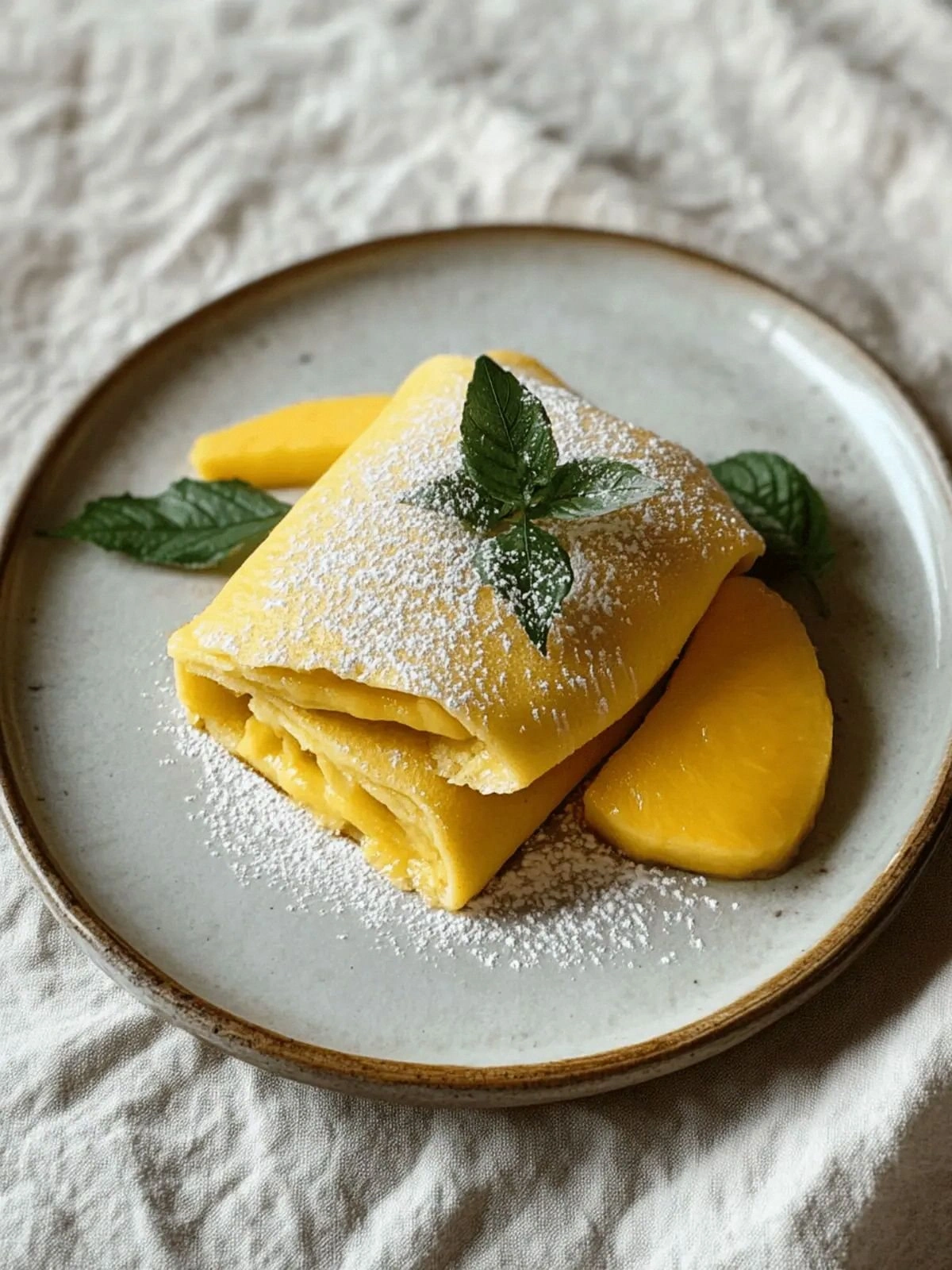
Picture a golden stack of pancakes that looks like a sunlit mango, each layer fluffy yet crisp, with a burst of mango puree that coats the tongue like velvet. The batter, a silky mixture of flour, cornflour, and a hint of vanilla, sings a subtle sweetness that balances the tartness of the mango. As the first bite lands, the heat of the buttered pan gives way to a cool, creamy double‑cream drizzle, creating a harmony of textures that feels like a tropical breeze on a hot morning. I was so obsessed with this flavor profile that I experimented until the batter had the perfect thickness—just thick enough to hold its shape but thin enough to steam inside. The final touch? A single drop of yellow food colouring that makes the pancakes glow like a sunrise in a glass bowl. If you've ever struggled to make pancakes that aren't just flat and lifeless, you're not alone—I've got the fix.
Most recipes get this completely wrong, treating mango as a garnish rather than the star of the show. They use too much flour, making the pancakes dense, or they overcook them, turning them into a rubbery mess. Here, the key lies in the balance of dry and wet ingredients, the timing of the pan heating, and the subtle sweetness of the mango puree that lingers on the palate. I spent hours tweaking the ratios, and the result is hands down the best version you'll ever make at home. The secret? A pinch of salt that unlocks the mango’s natural sweetness and a dash of vanilla that adds depth. I’ll be honest—I ate half the batch before anyone else got to try it, and they all wanted the recipe. The next time you flip a pancake, imagine the golden edge pulling away like thin ice, the sound of a perfect sizzle, and that instant burst of mango flavor. Stay with me here — this is worth it.
Let me walk you through every single step — by the end, you'll wonder how you ever made it any other way. From the first whisk to the final drizzle, each action is a deliberate move that transforms simple pantry staples into a breakfast masterpiece. The technique is simple, but the execution demands attention to detail and a willingness to experiment. I’ll share micro‑challenges to test your skills and bold claims that will change your breakfast routine forever. The journey starts with a bowl of batter that should feel light and airy, a texture that will lift your mood as much as it lifts the pancakes. Are you ready? Okay, ready for the game‑changer?
What Makes This Version Stand Out
- Flavor: The mango puree isn’t just a topping; it’s a flavor bomb that permeates the batter, giving each bite a sweet, tropical punch.
- Texture: The blend of plain flour and cornflour creates a pancake that’s fluffy inside and crisp on the edges, with a satisfying bite that doesn’t feel heavy.
- Simplicity: With only fourteen ingredients and a handful of steps, this recipe is easy to master, even for beginners.
- Uniqueness: The single drop of yellow food coloring gives the pancakes a vibrant, eye‑catching hue that turns a breakfast into a visual feast.
- Crowd‑Pleaser: Friends and family rave about the mango-infused taste and the silky double‑cream finish; it’s the kind of dish that keeps people coming back.
- Ingredient Quality: Using full‑fat milk and double cream adds richness, while fresh mangoes deliver natural sweetness and bright color.
- Cooking Method: The technique of letting the batter rest for five minutes before cooking ensures maximum fluffiness.
- Make‑Ahead Potential: You can prepare the batter and even the mango puree a day in advance, making this a convenient option for busy mornings.
Inside the Ingredient List
The Flavor Base
Plain flour is the backbone of the batter, giving structure and a neutral canvas for the mango to shine. Cornflour, or corn starch, is added for that light, airy texture; without it, the pancakes would be dense and heavy. Icing sugar and caster sugar together create a subtle sweetness that complements the natural mango flavor without overpowering it. If you prefer a less sweet version, reduce the caster sugar by half, but keep the icing sugar to maintain the delicate balance.
The pinch of salt is the secret weapon that unlocks the mango’s depth; it doesn’t taste salty, but it brightens every note. Some cooks skip salt entirely, but I’ve found that a tiny pinch elevates the overall flavor profile. If you’re watching sodium, you can omit it, but expect a slightly flatter taste. Always taste the batter before cooking; a pinch of salt is like a seasoning whisper that ties everything together.
The Texture Crew
Warm full‑fat milk brings richness and helps the batter emulsify, creating a smooth, cohesive mixture. The eggs add structure, protein, and a slight richness that makes the pancakes hold their shape. Melted unsalted butter is folded in for flavor and to prevent sticking; it also adds a subtle buttery aroma that lingers on the plate. Vanilla extract deepens the flavor, giving the batter an aromatic backdrop that complements the mango’s tropical notes. The single drop of yellow food coloring is purely aesthetic, making the pancakes look like a tropical sunrise.
The knob of butter used during cooking is crucial for achieving that golden, crisp edge. Use a medium‑high heat to let the butter bubble just before adding the batter, then lower the heat to ensure even cooking. If you use too much butter, the pancakes will taste greasy; too little, and they’ll stick. Find that sweet spot and you’ll get a perfectly crisp exterior with a tender interior.
The Unexpected Star
Double cream is the star that turns these pancakes from good to unforgettable. Swirled over the top, it adds a silky, luxurious finish that balances the mango’s brightness. The cream’s fat content melts into the batter, giving a melt‑in‑your‑mouth texture that feels indulgent without being heavy. If you’re looking for a lighter version, substitute with Greek yogurt or a plant‑based cream; just be aware the flavor will shift slightly.
The Final Flourish
The mangoes themselves are the heart of this dish. Choose ripe, fragrant mangoes for the best flavor—look for a slight give and a sweet aroma. Peel, pit, and puree them until smooth; the puree should be thick enough to coat the batter but thin enough to mix. Fresh mint is added as a garnish, offering a refreshing contrast that cuts through the richness of the cream and the sweetness of the mango. A sprig of mint also adds a pop of color that completes the visual appeal.
Everything's prepped? Good. Let's get into the real action.
The Method — Step by Step
- Start by whisking together the plain flour, cornflour, icing sugar, caster sugar, and pinch of salt in a large mixing bowl until the dry ingredients are evenly distributed. This dry mix is the foundation that will hold your pancakes together. Be sure to sift the flour if it’s clumpy; a smooth base means a smoother batter. Keep this bowl aside while you prepare the wet components.
- In a separate bowl, combine the warm full‑fat milk, eggs, melted butter, vanilla extract, and yellow food colouring. Whisk vigorously until the mixture is glossy and the butter is fully incorporated. The warmth of the milk helps the eggs emulsify, creating a silky texture that will translate into fluffy pancakes.
- Fold the wet mixture into the dry ingredients, stirring gently until just combined. Over‑mixing can develop gluten and make the pancakes tough; a few lumps are okay. The batter should be thick but pourable—think of a thick pancake batter that can hold its shape without sliding off the spoon.
- Add the mango puree to the batter and fold until evenly distributed. The puree will thicken the batter slightly, but it also adds a vibrant color and natural sweetness. If the batter feels too thick, add a splash of milk to loosen it; if too thin, add a tablespoon of flour to thicken.
- Let the batter rest for five minutes at room temperature. This brief pause allows the flour to hydrate fully, which results in a lighter, fluffier pancake. Cover the bowl with a clean kitchen towel to prevent the batter from drying out.
- Heat a non‑stick skillet over medium heat and add a knob of butter. Swirl the butter until it melts and starts to foam but not brown. This creates a non‑stick surface and a subtle buttery flavor that enhances the pancake’s aroma.
- Pour a ladleful of batter onto the skillet, swirling the pan to spread the batter into a circle about 6 inches in diameter. The edges should start to set in 1–2 minutes; look for bubbles forming on the surface and a slight lift from the pan. Flip the pancake once the underside is golden brown, then cook the second side until golden and the interior feels set.
- Transfer the cooked pancake to a plate and keep it warm while you finish the batch. Repeat the process for the remaining batter, adding more butter to the skillet as needed. The final pancakes should have a crisp edge that shatters like thin ice when you bite into them.
- Once all pancakes are cooked, drizzle double cream over each stack and dust with icing sugar. Add a sprig of fresh mint for a burst of color and a hint of freshness. Serve immediately to enjoy the contrast between the warm pancakes and the cool, creamy topping.
- Enjoy the moment of truth—the first bite should feel like a tropical sunrise, with the mango’s sweet brightness mingling with the buttery, creamy finish. Take a moment to savor the aroma and the visual appeal before you dive in. That’s it— you did it. But hold on, I've got a few more tricks that'll take this to another level...
Insider Tricks for Flawless Results
The Temperature Rule Nobody Follows
Most people cook pancakes on high heat, which can cause uneven browning. I’ve found that medium heat gives a more even cook, allowing the interior to set without burning the exterior. Keep a thermometer handy if you’re unsure; the skillet should feel warm but not scalding. If you notice the batter spreading too thin, lower the heat slightly and let it cook slower.
Why Your Nose Knows Best
Before you flip, listen to the sound of the batter. A gentle crackle indicates the surface is ready. If you hear a hiss, the pan is too hot. Your nose can detect the subtle aroma of butter turning golden; this cue tells you when to flip. Trusting your senses makes the process feel intuitive and reduces the risk of burning.
The 5‑Minute Rest That Changes Everything
Letting the batter rest for five minutes allows the flour to absorb the liquid fully. This step is often overlooked, but it results in a lighter, fluffier pancake. During the rest, the gluten relaxes, preventing a chewy texture. If you’re short on time, a quick 2‑minute rest still offers noticeable improvement.
The Secret to a Golden Edge
A small knob of butter in the skillet before each pour creates a non‑stick surface and a crisp edge. Add a pinch of sea salt to the butter for a subtle contrast that enhances the mango’s sweetness. The butter should bubble gently; if it foams, lower the heat. This simple tweak elevates the overall flavor profile.
The Cream Drizzle Technique
When drizzling double cream, use a spoon to create a decorative swirl that adds visual appeal. The cream’s fat content melts into the pancake, creating a silky finish that balances the mango’s brightness. If you prefer a lighter option, swirl in a drizzle of honey or a splash of coconut milk for a different flavor note.
Creative Twists and Variations
This recipe is a playground. Here are some of my favorite ways to switch things up:
Coconut Crunch
Swap the double cream for coconut cream and sprinkle toasted coconut flakes on top. The coconut adds a nutty crunch that complements the mango’s sweetness. It’s a great option for those who love tropical flavors.
Berry Burst
Blend a handful of fresh strawberries into the mango puree for a colorful, slightly tart twist. The berries add a burst of acidity that balances the richness of the batter. Serve with a drizzle of yogurt for extra creaminess.
Chocolate Surprise
Add a tablespoon of cocoa powder to the dry mix and drizzle melted dark chocolate over the finished pancakes. The chocolate’s bittersweet flavor pairs surprisingly well with the mango’s natural sweetness. It’s a decadent breakfast that feels like dessert.
Spiced Mango
Infuse the batter with a pinch of ground cardamom and a dash of chili flakes. The spices create a warm, aromatic profile that elevates the mango’s flavor. It’s an adventurous twist that’s perfect for spice lovers.
Lemon Zest Finale
Add lemon zest to the batter for a bright, citrusy note. The zest cuts through the richness and adds a fresh lift. Finish with a squeeze of fresh lemon juice over the top for an extra zing.
Storing and Bringing It Back to Life
Fridge Storage
Store cooked pancakes in an airtight container in the refrigerator for up to 3 days. Keep them in a single layer and cover with parchment paper to prevent sticking. When ready to eat, reheat in a toaster or a skillet for a few seconds to restore warmth.
Freezer Friendly
For longer storage, place pancakes in a freezer bag, separating each layer with parchment paper. Freeze for up to 2 months. To reheat, thaw overnight in the refrigerator or microwave on low power for 30 seconds. The pancakes will retain their fluffy texture.
Best Reheating Method
The best way to bring back the original texture is to heat them in a skillet over medium heat, adding a splash of water to create steam. This technique keeps the pancakes moist and restores their crisp edges. A quick dip in a preheated oven at 350°F for 5 minutes also works well.