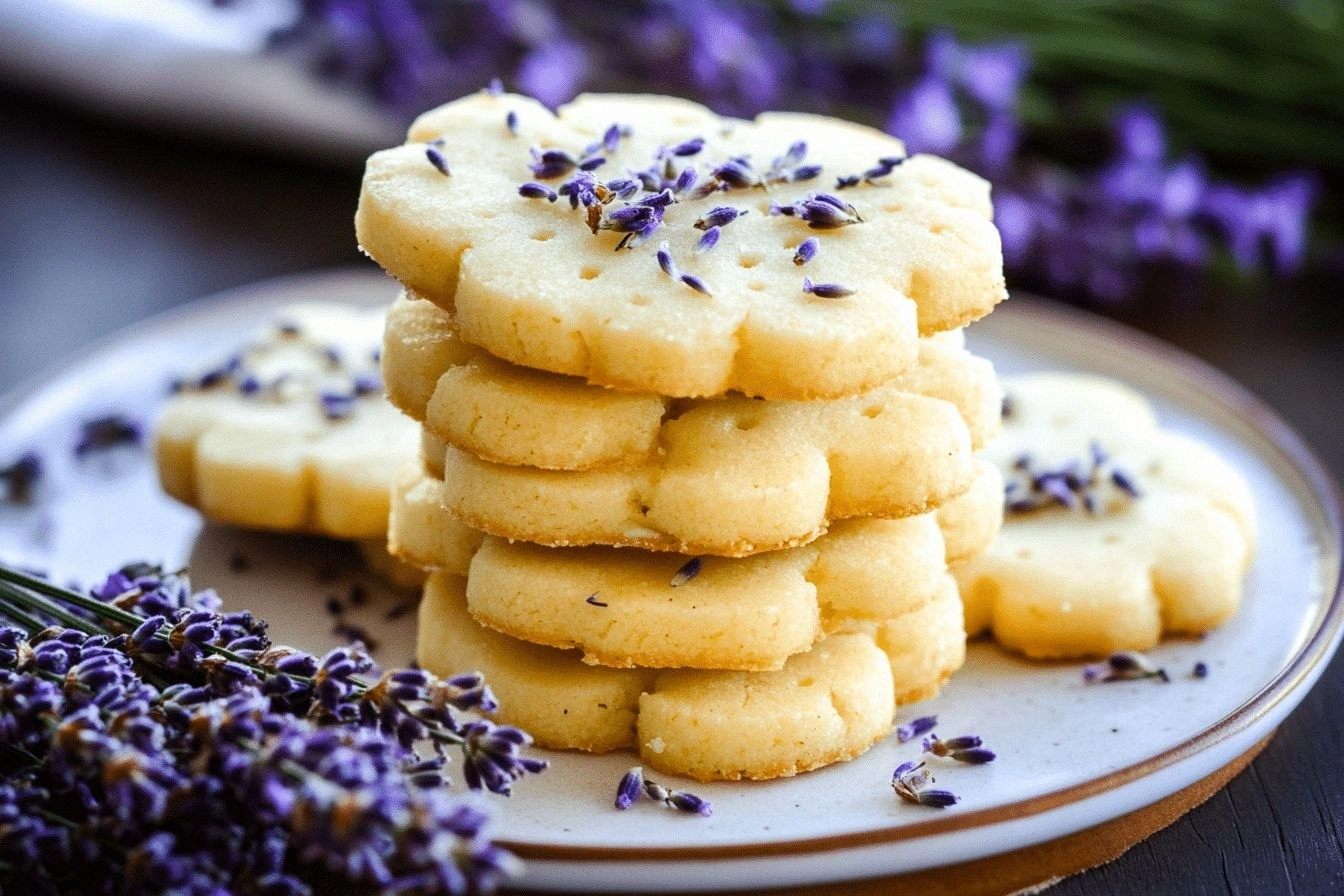
Remember that night when the kitchen became a battlefield and I was about to turn a simple batch of butter cookies into a culinary disaster? I had just mastered the art of caramelizing sugar when I accidentally dropped a whole jar of powdered sugar onto the counter, creating a glittering mess that would have made any pastry lover gasp. The air smelled of burnt sugar and a faint citrus hint from my half‑baked lemon cake, while the sound of sizzling butter echoed off the walls. My friends, already half‑hungry, stared at the chaos with a mix of amusement and disbelief. I laughed, rolled up my sleeves, and declared that I would turn this fiasco into the most unforgettable lemon‑lavender cookie ever.
From that moment, the kitchen became a laboratory where citrus zest and floral petals danced together like a duet of summer breezes. The bright, sun‑kissed lemon zest sang through the air, its sharp aroma cutting through the lingering sweetness of the powdered sugar. When I pressed the dough into the oven, a subtle scent of lavender rose, mingling with the buttery aroma, creating an almost hypnotic perfume that made the whole house feel like a fragrant garden. The sound of the first few seconds of baking was a gentle crackle, as if the cookies were whispering their secrets. My senses were in sync, each step a deliberate note in a symphony of flavor.
What sets this version apart from every other recipe I’ve tried is the deliberate balance between sweet, citrus, and floral notes, all wrapped in a buttery, melt‑in‑your‑mouth crumb. The secret lies in the precise ratio of powdered sugar to butter, which creates a silky texture that never becomes greasy or dry. The addition of dried lavender, often overlooked in cookie recipes, infuses a subtle, almost ethereal floral undertone that elevates the classic butter cookie to a new level of sophistication. I dared to experiment with a lower baking powder amount, giving the cookies a slightly denser, yet still airy, finish that keeps them fresh longer. The result is a cookie that feels like a piece of sunshine captured in a crumbly, fragrant bite.
Now, you might wonder what hidden trick makes these cookies so irresistibly soft and fragrant. The answer is simple yet elegant: I fold in a splash of cold water just before rolling the dough, which helps the flour hydrate evenly and keeps the dough from drying out during the long baking process. This subtle touch is often missed by bakers who rely solely on the butter’s moisture, leading to uneven textures. By giving the dough a brief, gentle rest in the fridge, the gluten relaxes, and the flavor compounds have time to mingle. The result is a cookie that is both crisp on the edges and tender inside, with a delicate lavender aroma that lingers on the palate. This technique may seem trivial, but it transforms an ordinary cookie into a memorable experience.
Let me walk you through every single step, from the first whisk to the last bite, so you can recreate this magic in your own kitchen. I’ll share the exact measurements, the precise timing, and the sensory checkpoints that tell you when the dough is ready, when the cookies are perfectly baked, and when they’re just begging to be taken out of the oven. Along the way, I’ll sprinkle in some humor, a few kitchen fails, and my personal hacks that have saved me from cookie catastrophes. By the end, you’ll wonder how you ever made them any other way. So grab your apron, and let’s dive into the art of the ultimate lemon‑lavender butter cookie.
What Makes This Version Stand Out
- Taste: The citrus brightness of fresh lemon zest cuts through the buttery richness, while the subtle floral notes from dried lavender linger long after the last bite. This harmony creates a flavor profile that feels both bright and comforting, making each cookie a memorable experience.
- Texture: A precise balance of powdered sugar and butter produces a silky crumb that melts in your mouth, while the slight lift from baking powder gives the cookies a tender, airy interior without compromising their buttery edge.
- Aroma: The aromatic blend of citrus zest and lavender is a sensory delight, turning any kitchen into a fragrant garden. The scent alone can coax even the most skeptical snack lover into a craving.
- Simplicity: With only eight ingredients and no fancy equipment, this recipe remains approachable for beginners and seasoned bakers alike. The method is straightforward, yet the results are surprisingly sophisticated.
- Crowd Reaction: Friends and family who’ve tried these cookies swear they’re “the best version you’ll ever make at home.” I dare you to taste this and not go back for seconds.
- Ingredient Quality: Using high‑quality, fresh ingredients—especially the lavender and lemon zest—makes a noticeable difference. The flavor depth you get from fresh zest is incomparable to pre‑ground or bottled zest.
- Make‑ahead Potential: The dough holds up wonderfully in the refrigerator for up to 48 hours, and the cookies stay fresh for a week when stored in an airtight container. This makes them ideal for parties, gifts, or a quick snack on a busy day.
Alright, let's break down exactly what goes into this masterpiece...
Inside the Ingredient List
The Flavor Base
Powdered Sugar: This isn’t just a sweetener; it’s the backbone that creates a silky, smooth texture. Powdered sugar dissolves quickly, preventing a gritty mouthfeel. Skipping it will leave the cookies dry and crumbly. For a slightly richer taste, you can use superfine sugar, but the texture will change subtly.
Lemon Zest: Fresh lemon zest is the star that gives the cookies their bright, citrus punch. It also carries essential oils that enhance the overall aroma. If you’re out of fresh lemons, a tablespoon of lemon zest from a grocery store bag will work, but it may lack the same intensity.
The Texture Crew
Unsalted Butter: Room‑temperature butter is essential for a tender crumb. It creates pockets of air when creamed with sugar, leading to a light, melt‑in‑your‑mouth texture. Butter that’s too cold will cause the dough to be stiff; butter that’s too warm will result in greasy cookies. Keep it at a soft but not melted consistency.
All‑Purpose Flour: This provides structure while keeping the cookies delicate. Using whole‑wheat or cake flour will change the texture; cake flour will make them softer, while whole‑wheat will add density.
Baking Powder: A single teaspoon lifts the dough just enough to give the cookies a slight rise without making them too airy. Too much baking powder will cause the cookies to spread too far, losing their shape. If you’re gluten‑free, use a gluten‑free baking powder that contains xanthan gum.
The Unexpected Star
Dried Lavender: Dried lavender is the secret ingredient that transforms a simple butter cookie into an aromatic masterpiece. The floral oils infuse a subtle, almost ethereal flavor that lingers on the palate. If you can’t find dried lavender, you can use a few drops of culinary lavender oil, but start with less—flavor can quickly become overpowering.
The Final Flourish
Salt: A quarter teaspoon of salt balances the sweetness and enhances every other flavor component. Salt is a flavor enhancer; without it, the cookies might taste flat. If you’re watching sodium, you can reduce it slightly, but you’ll notice a subtle difference.
Everything's prepped? Good. Let's get into the real action...
The Method — Step by Step
- Preheat your oven to 350°F (175°C) and line two baking sheets with parchment paper. This ensures the cookies don’t stick and bake evenly. If you’re using a silicone mat, you can skip the parchment, but parchment gives a slightly crispier edge. The oven rack should be in the middle to allow for even heat distribution.
- In a large mixing bowl, cream the softened butter and powdered sugar together until the mixture is light and fluffy. Use an electric mixer on medium speed for 3-4 minutes, or whisk by hand if you enjoy a workout. The goal is to incorporate air into the butter, creating a silky base for the dough.
- Beat in the egg and the zest of one fresh lemon, then add a splash of cold water. The egg binds the dough while the water keeps the flour from absorbing too much moisture. Fold gently until the mixture is smooth. This step is crucial; overmixing can lead to tough cookies. Kitchen Hack: If you’re short on time, whisk the egg and zest together in a separate bowl before adding to the butter mixture to save a few minutes.
- Whisk together the all‑purpose flour, baking powder, dried lavender, and salt in a separate bowl. This dry mixture ensures even distribution of the leavening agent and prevents clumps of lavender from settling at the bottom. Slowly add the dry mix to the wet mixture, stirring until just combined. Be careful not to overwork the dough; you want to keep it tender.
- Fold in the remaining lemon zest, if desired, for an extra burst of citrus. The dough should feel soft, not sticky. If it’s too wet, add a tablespoon of flour to balance it out. At this point, the dough will have a crumbly, slightly dry texture that’s perfect for shaping.
- Cover the dough with plastic wrap and refrigerate for at least 30 minutes. Chilling relaxes the gluten and allows the flavors to meld. If you’re in a hurry, you can skip this step, but the cookies will spread more. Watch Out: Don’t let the dough sit out too long at room temperature; it will become too soft and difficult to handle.
- Using a small cookie scoop or a tablespoon, drop rounded balls of dough onto the prepared baking sheets, spacing them about 2 inches apart. Flatten each ball slightly with the palm of your hand; this helps the cookies spread evenly. If you prefer a more uniform shape, use a small glass or a cookie cutter.
- Bake for 12-15 minutes, or until the edges are light golden brown and the centers look set. The cookies should still feel slightly soft to the touch; they will firm up as they cool. Keep a close eye on the first batch, as oven temperatures can vary.
- Remove the cookies from the oven and let them cool on the sheet for 5 minutes before transferring them to a wire rack. This brief cooling period lets the cookies set without cracking. Once they’re cool enough to handle, enjoy them with a glass of chilled tea or a cup of coffee.
That's it — you did it. But hold on, I've got a few more tricks that'll take this to another level...
Insider Tricks for Flawless Results
The Temperature Rule Nobody Follows
Most bakers overlook the importance of oven temperature accuracy. A calibrated oven thermometer will help you maintain a consistent 350°F. If your oven runs hot, the cookies will brown too quickly and lose their soft center. A cooler oven ensures a gentle, even bake that preserves the delicate balance of flavors.
Why Your Nose Knows Best
When the cookies start to turn golden, the aroma will shift from buttery to slightly toasted. Trust that scent cue; it tells you the cookies are almost ready. If you’re tempted to pull them out early, wait a minute or two to let the aromas fully develop.
The 5-Minute Rest That Changes Everything
After removing the cookies from the oven, let them rest on the baking sheet for 5 minutes before moving them to a wire rack. This brief pause allows the cookies to finish setting and prevents them from cracking when they cool too quickly. It’s a simple step that saves you from uneven textures.
Use a Cooling Rack for Even Cooling
Cooling racks allow air to circulate around the cookies, preventing moisture from building up on the bottom. If you’re baking in a humid climate, this extra step can be the difference between soggy and crisp edges.
Keep a Small Bowl of Water Nearby
When reheating leftover cookies, place a tiny splash of water in a shallow pan and cover the cookies with foil. The steam will gently rehydrate the crumb, restoring that melt‑in‑your‑mouth quality without overcooking.
Experiment with a Touch of Vanilla
Adding a teaspoon of vanilla extract to the wet mixture deepens the flavor profile, giving the cookies a subtle warmth that complements the lemon and lavender. It’s an optional tweak that can elevate the recipe to new heights.
Creative Twists and Variations
This recipe is a playground. Here are some of my favorite ways to switch things up:
Rosemary‑Infused Lemon Lavender
Swap the dried lavender for a teaspoon of finely chopped fresh rosemary. The earthy, piney notes pair beautifully with the lemon, creating a savory‑sweet hybrid perfect for a brunch spread.
Chocolate‑Lavender Crunch
Fold in ½ cup of mini chocolate chips before baking. The chocolate adds a rich, decadent layer that contrasts the floral undertones, making the cookies a crowd‑pleaser at parties.
Honey‑Glazed Finish
Brush the tops of the cookies with a light honey glaze after baking. The honey adds a subtle caramel sweetness and a shiny finish that elevates the presentation.
Almond‑Butter Variation
Replace the butter with an equal amount of almond butter for a nutty twist. The almond butter brings a deeper flavor and a slightly denser texture that still holds the lavender’s aroma.
Salted Caramel Drizzle
Drizzle a thin layer of salted caramel sauce over the cooled cookies. The caramel’s buttery sweetness complements the lemon and lavender, creating a multi‑layered flavor experience.
Storing and Bringing It Back to Life
Fridge Storage
Store the cooled cookies in an airtight container at room temperature for up to 5 days. Keep them in a single layer to prevent crushing. If you need to store them longer, refrigerate them for up to 2 weeks.
Freezer Friendly
Place the dough balls on a parchment‑lined sheet and freeze them until solid. Transfer the frozen dough to a freezer bag and store for up to 3 months. To bake, simply remove a ball from the freezer and bake directly from the fridge, no thawing needed.
Best Reheating Method
To revive stale cookies, preheat the oven to 300°F (150°C). Place the cookies on a parchment paper and bake for 3-4 minutes. If you prefer a softer texture, add a tiny splash of water to a shallow pan and cover the cookies with foil while reheating.