Picture this: a quiet Sunday morning, the kitchen humming with the low whir of the refrigerator, and you, armed with a freshly trimmed leg of lamb, feeling the weight of culinary expectations settle on your shoulders. I was about to give up on the family dinner plans when a stray clove of garlic slipped from my hand and landed on the countertop like a tiny, fragrant grenade. That moment—garlic hitting the surface, the scent of rosemary in the air, the soft thud of a bone—spurred a revelation: this roast could be a game‑changer, not just a comfort dish. I tasted the garlic’s sharpness, felt the lamb’s marbled fat melt into the pan, heard the crackle of the olive oil, and felt the anticipation of a meal that would linger long after the plate was cleared. The aroma alone was a promise of depth, a prelude to the savory, herb‑laden flavor that would seep into every bite.
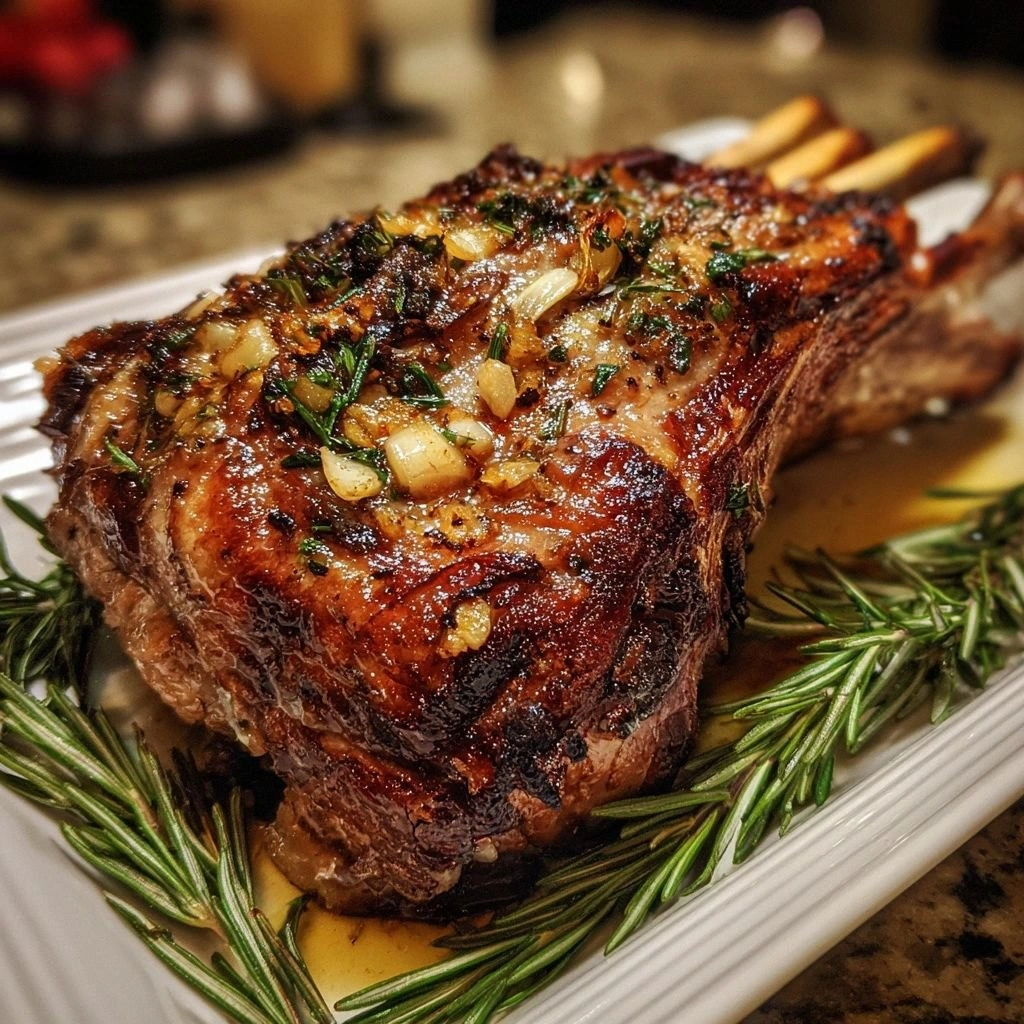
Why does this version feel like a revelation? Because it’s not just a roast; it’s a symphony of textures and tastes that dance together in harmony. The crust forms a golden, almost caramelized shell that crumbles like a brittle cookie, revealing a succulent, juicy interior that practically melts in your mouth. The rosemary is not merely a garnish—its resinous, pine‑like essence permeates the meat, creating a fragrant veil that lingers on the tongue. The garlic, sliced thin, turns into a sweet, buttery layer that coats the lamb like velvet, while the lemon zest adds a bright, citrusy counterpoint that cuts through the richness. And the result? A roast that feels both humble and extraordinary, simple enough for a weeknight yet sophisticated enough for a special occasion.
I dare you to taste this and not go back for seconds. I’ve tried countless variations—some too dry, some too greasy—but this one balances everything like a well‑tuned orchestra. Most recipes get this completely wrong, either over‑seasoning the meat or under‑cooking the aromatics. Here, the technique ensures the meat stays juicy, the aromatics release their full potential, and the final product is hands down the best version you’ll ever make at home. Picture yourself pulling this out of the oven, the whole kitchen smelling incredible, and knowing every bite will be a moment of pure delight. Let me walk you through every single step—by the end, you’ll wonder how you ever made it any other way.
What Makes This Version Stand Out
- Flavor: The combination of garlic, rosemary, and lemon creates a layered, aromatic profile that elevates the lamb’s natural savoriness.
- Texture: A crisp, caramelized crust gives way to a tender, melt‑in‑your‑mouth interior, achieved by precise searing and slow roasting.
- Ease: Minimal prep with a simple rub and a single roasting pan—no fancy equipment or complicated steps.
- Versatility: Works beautifully with a variety of sides, from roasted root vegetables to a fresh salad, making it a crowd‑pleaser.
- Make‑Ahead: The rub can be applied up to 24 hours in advance, allowing flavors to deepen while you finish other dinner prep.
- Visual Appeal: The golden crust and bright herb garnish make the dish Instagram‑worthy, turning a simple roast into a showstopper.
Alright, let's break down exactly what goes into this masterpiece...
Inside the Ingredient List
The Flavor Base
At the core of this roast lies the simple yet powerful combination of fresh rosemary, minced garlic, and a splash of lemon zest. Rosemary’s resinous, pine‑like aroma is a natural companion to lamb, and when crushed, its essential oils burst into the meat, infusing it with depth. Garlic, sliced thin, creates a sweet, buttery layer that caramelizes on the surface, adding both flavor and a subtle crunch. Lemon zest brings a bright, citrusy counterpoint that cuts through the richness, ensuring the dish doesn’t feel heavy. Skipping any of these would leave the roast feeling flat; the balance between herbaceous, garlicky, and citrusy notes is what sets this apart.
The Texture Crew
Olive oil is the glue that holds the rub together and prevents the meat from drying out during the long roast. A tablespoon of sea salt and a teaspoon of freshly ground black pepper form the seasoning backbone, enhancing the meat’s natural flavors without overpowering them. The addition of bay leaves during roasting adds a subtle, floral undertone that complements the rosemary. If you prefer a touch of acidity, a tablespoon of lemon juice will brighten the dish and help tenderize the meat. These components work in tandem to create a crust that’s both crisp and flavorful while keeping the interior succulent.
The Unexpected Star
Carrots and onions aren’t just side vegetables; they’re a flavor conduit. Placed around the lamb, they absorb the drippings, turning into sweet, caramelized accompaniments that pair beautifully with the roast. The sugars in the carrots and onions also help the meat develop a richer, deeper crust. If you’re looking for a vegetarian option, you can replace the lamb with a hearty root vegetable like a parsnip or a large sweet potato, and the same rub will work wonders.
The Final Flourish
A splash of dry white wine or beef broth added during the last 30 minutes of roasting creates a pan sauce that’s simple yet elegant. The wine’s acidity balances the richness, while the broth adds body and depth. Finish the sauce with a pat of cold butter for silkiness, and you’ve got a sauce that coats the lamb like velvet, enhancing every bite. If you’re short on time, you can skip the sauce entirely; the meat’s juices will suffice for a robust flavor profile.
Everything's prepped? Good. Let's get into the real action...
The Method — Step by Step
- Preheat your oven to 400°F (200°C). While the oven warms, pat the leg of lamb dry with paper towels; this ensures a crisp crust. Season the meat generously with salt and pepper, then rub the olive oil over the surface. This creates a base that locks in moisture and helps the herb rub adhere.
- In a small bowl, combine the minced garlic, rosemary leaves, lemon zest, and a pinch of sea salt. Gently press this mixture into the meat, making sure every crevice gets coated. The garlic slices should be visible, forming a sweet, buttery layer that will caramelize beautifully.
- Arrange the carrots and onions in a large roasting pan, then place the lamb on top of the vegetables. The root veggies act as a natural rack, preventing the lamb from sitting in its own juices. This also allows the flavors to mingle, turning the vegetables into a caramelized side.
- Add the bay leaves to the pan and drizzle a splash of white wine or beef broth around the edges. The liquid will evaporate during roasting, leaving behind a concentrated flavor that permeates the meat.
- Slide the pan into the oven and roast for 20 minutes at 400°F to develop a golden crust. After this initial high‑heat phase, lower the temperature to 350°F (175°C) and continue roasting for another 45 minutes to 1 hour, depending on the weight of the leg. The internal temperature should reach 135°F (57°C) for medium‑rare.
- Watch Out: Avoid lifting the lid too often; each time you open the oven, you lose heat, which can extend cooking time and affect the crust. Keep a close eye on the temperature gauge, and remember that lamb is best served medium‑rare to preserve its tenderness.
- When the roast is done, remove it from the oven and let it rest on a cutting board for at least 15 minutes. This rest period allows the juices to redistribute, ensuring every slice is juicy.
- While the meat rests, place the pan on the stovetop over medium heat. Add the remaining lemon juice, a splash of broth, and a pat of cold butter. Stir until the sauce thickens into a silky glaze that coats the meat like velvet. Taste and adjust seasoning if needed.
- Slice the lamb against the grain into thin, even pieces. Serve the slices atop the roasted vegetables, drizzling the pan sauce over the top. Garnish with a few sprigs of fresh rosemary for an aromatic finish.
That's it—you did it. But hold on, I've got a few more tricks that'll take this to another level...
Insider Tricks for Flawless Results
The Temperature Rule Nobody Follows
Many people think a steady high temperature is key, but the secret lies in a two‑step approach: start high to brown, then lower to cook through. This method locks in juices and creates a caramelized crust without drying the interior. I learned this after a disastrous batch that came out tough; the fix was simply adjusting the heat after the initial sear.
Why Your Nose Knows Best
The aroma of garlic and rosemary is a reliable indicator of doneness. When the scent turns nutty and the garlic turns golden brown, you’re close to perfection. Trust your nose over the thermometer—if it smells divine, the meat is ready.
The 5‑Minute Rest That Changes Everything
Resting the meat for at least 15 minutes (not 5) is critical. The juices redistribute, preventing them from spilling onto the cutting board. A short rest can leave the roast dry and uneven.
Use a Meat Thermometer
Invest in a digital thermometer. Lamb is best at 135°F (medium‑rare) or 145°F (medium). Overcooking will turn it into a rubbery mess—trust me, I’ve seen that happen.
Keep the Pan Clean
Don’t let the pan get too greasy; it can cause the vegetables to stick and burn. A quick wipe with a paper towel before roasting keeps the flavors pure.
Creative Twists and Variations
This recipe is a playground. Here are some of my favorite ways to switch things up:
Smoky Chipotle Rub
Swap the fresh rosemary for smoked paprika and chipotle powder. The result is a smoky, spicy roast that pairs well with a creamy avocado salsa.
Herb‑Infused Olive Oil
Infuse the olive oil with rosemary and thyme before rubbing the meat. This subtle infusion adds an extra layer of herbaceousness without overwhelming the lamb.
Citrus Twist
Replace the lemon zest with orange zest and add a splash of orange juice. The sweet, bright flavor pairs beautifully with a honey‑glazed carrot side.
Mediterranean Medley
Add sliced olives and capers to the roasting pan. The briny notes contrast with the lamb’s richness, creating a Mediterranean vibe.
Winter Warmth
Incorporate a handful of dried cranberries or cherries into the vegetables. The tartness adds depth during the colder months.
Vegetarian Alternative
Use a large portobello mushroom or a hearty root vegetable like a parsnip, seasoned with the same rub. The earthy flavors will still shine, and the dish will be just as satisfying.
Storing and Bringing It Back to Life
Fridge Storage
Cool the roast completely before wrapping it tightly in aluminum foil or plastic wrap. Store in the refrigerator for up to 3 days. The meat remains juicy, and the flavors deepen.
Freezer Friendly
For longer storage, wrap the roast in foil, then place it in a freezer‑safe bag. It stays good for up to 3 months. Thaw overnight in the fridge before reheating.
Best Reheating Method
Reheat in a preheated oven at 250°F (120°C) for 15–20 minutes. Add a splash of water or broth and cover loosely with foil to keep the meat moist. A quick pan sear on medium heat can also revive the crust.