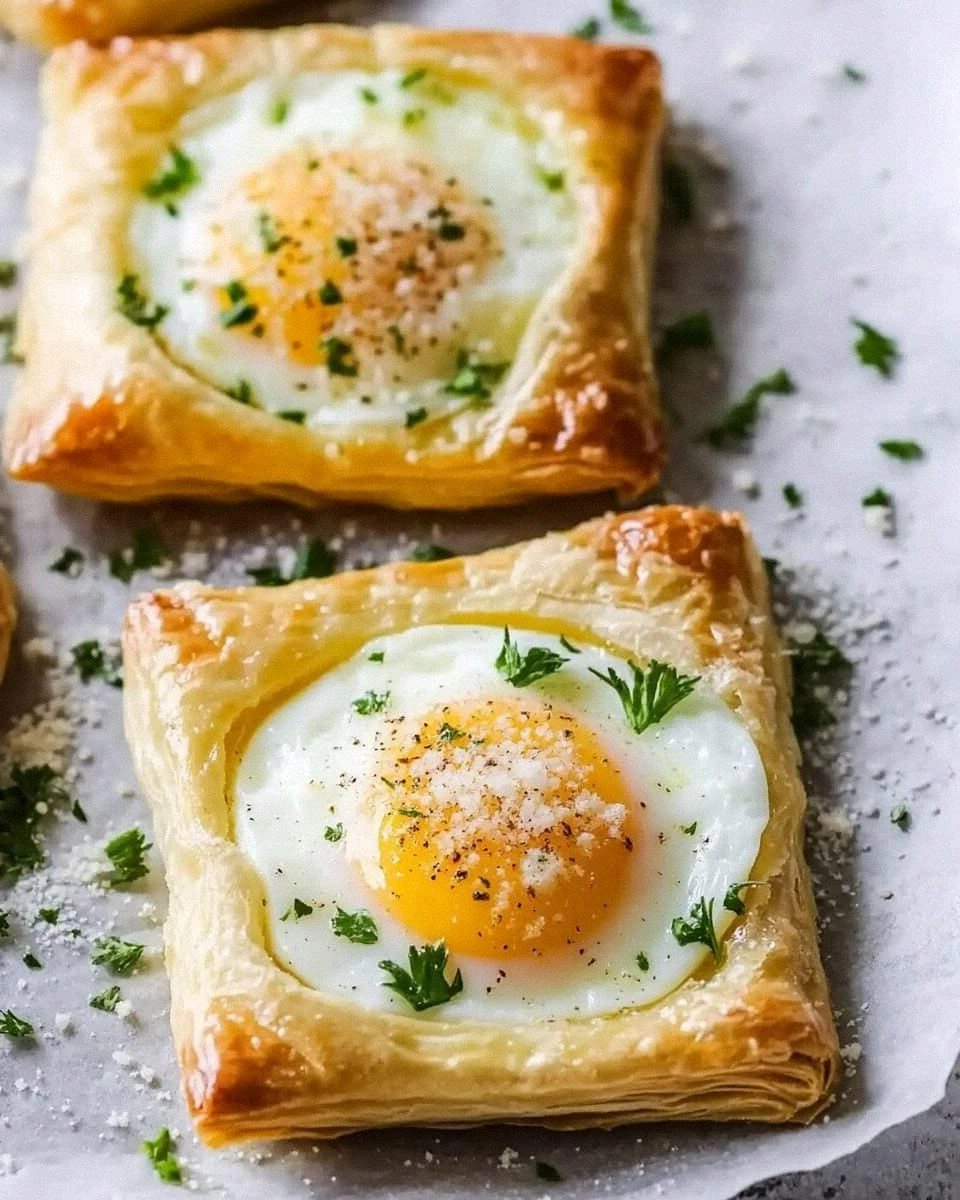
It started on a rainy Saturday when I was scrambling to salvage a batch of over‑cooked eggs that had turned into a soggy mess. I tossed them into a pan, hoping the heat would rescue them, but all I got was a sad, grayish slab that smelled like burnt toast. I was about to throw the whole kitchen into chaos when a sheet of puff pastry slid into my mind like a bright spark. Imagine that buttery, flaky rectangle hugging a perfectly runny yolk—no more soggy eggs, just crisp, golden layers that crackle with every bite. That vision became the birth of “Easy Puff Pastry Baked Eggs,” a dish that turns a kitchen disaster into a breakfast triumph.
Picture this: the oven’s preheat timer blinks 375°F, the scent of butter and pastry rises, and the first crackle of the dough meets the sizzle of an egg. Your ears catch the gentle pop as the egg starts to set, while the mouth tastes a hint of sharp cheddar that melts into the yolk like a silky sauce. The texture is a symphony—crispy edges that shatter like thin ice, a soft, custard‑like center, and a buttery crust that’s almost too indulgent to be called breakfast. If you’ve ever been stuck with a batch of over‑cooked eggs, I dare you to taste this and not go back for seconds.
What sets this version apart isn’t just the puff pastry; it’s the harmony of flavors, the simplicity of the technique, and the sheer confidence with which you can whip it up. The pastry is pre‑baked to a golden crisp, so you can pop in the eggs and let them bake to perfection without any extra steps. The cheese adds a savory depth that balances the richness of the pastry, while fresh chives bring a bright, herbal note that cuts through the buttery sweetness. And the best part? You can make it ahead of time and reheat it with just a few minutes in the oven—no more scrambling at the last minute.
I’ve spent countless mornings juggling coffee, toast, and scrambled eggs, and I’ve learned that breakfast should be fast, fuss‑free, and, above all, delicious. This recipe delivers on all fronts, and I promise you, by the end of this guide, you’ll wonder how you ever made it any other way. Let me walk you through every single step—by the time you’re done, you’ll have a breakfast masterpiece that looks like a pastry shop creation and tastes like pure comfort.
What Makes This Version Stand Out
- Taste: The combination of sharp cheddar, fresh chives, and a perfectly runny yolk creates a flavor profile that’s both comforting and sophisticated. The cheese melts into the egg, adding a creamy, savory undertone that balances the buttery pastry.
- Texture: The puff pastry’s flaky layers crisp to a golden perfection while the egg inside remains silky and slightly gooey, offering a delightful contrast that feels like a pastry‑egg symphony.
- Simplicity: With only a handful of ingredients and a single pan, this dish can be whipped up in under 30 minutes—ideal for busy mornings or last‑minute brunches.
- Uniqueness: Most baked‑egg recipes rely on bread or tortillas; using puff pastry elevates the dish into a gourmet experience that feels indulgent yet approachable.
- Crowd Reaction: Friends and family often remark on the “wow” factor—when they see the golden pastry crackling and the yolk glistening, they’re instantly hooked.
- Ingredient Quality: Using high‑quality puff pastry and fresh, sharp cheddar ensures every bite is rich and flavorful. The pastry’s buttery taste is a standout feature.
- Cooking Method: The single‑step bake eliminates the need for stovetop work, reducing mess and cleanup while still delivering a professional result.
- Make‑Ahead Potential: You can assemble the pastries and eggs ahead of time, refrigerate them, and bake right before serving—perfect for entertaining.
Inside the Ingredient List
The Flavor Base
Puff Pastry: The star of the show, puff pastry provides that buttery, flaky foundation. A single sheet cut into four squares is enough for four servings, ensuring each bite has a generous pastry envelope. If you skip it, you lose the signature crispness and the dish becomes a simple baked egg.
Cheddar Cheese: Shredded sharp cheddar melts into a velvety coating over the egg, adding depth and a savory note that balances the pastry’s richness. A pinch of extra cheese on top before baking gives a golden, bubbly finish. If you omit it, the dish loses its indulgent layer and feels more like plain baked eggs.
The Texture Crew
Eggs: Fresh, large eggs are essential; the yolk should remain slightly runny for that luxurious, custard‑like center. One egg per pastry square keeps the proportions balanced. Using frozen or over‑cooked eggs will result in a rubbery texture that clutters the dish.
Butter: Melted butter brushed on the pastry before baking adds a glossy sheen and a subtle buttery aroma that lingers. It also helps the pastry crisp up faster. Skipping butter will still work, but the pastry will be less golden and slightly drier.
The Unexpected Star
Fresh Chives: Chopped chives sprinkled on top add a bright, herbal contrast to the rich cheddar and pastry. Their mild onion flavor lifts the dish without overpowering it. If you’re not a fan of chives, parsley or dill can be used as a substitute.
Olive Oil Spray: A light spray of olive oil on the pastry before baking ensures it doesn’t stick and helps it brown evenly. It also adds a subtle fruity note. If you prefer a dairy‑free option, a quick spray of non‑stick cooking spray works just as well.
Everything's prepped? Good. Let's get into the real action.
The Method — Step by Step
- Preheat your oven to 375°F (190°C). While the oven warms, line a baking sheet with parchment paper. This ensures the pastry won’t stick and gives you a clean, easy cleanup. The preheat step is crucial; a properly heated oven guarantees a crisp pastry and a perfectly set egg.
- Take the puff pastry sheet and roll it out on a lightly floured surface until it's about 1/8 inch thick. If the dough is stiff, let it rest for a few minutes before rolling; this makes it pliable. Cut the sheet into four equal squares, each about 3.5 inches on a side. A perfectly square pastry ensures even baking and a balanced portion.
- Brush each pastry square lightly with melted butter. This step is the secret to that glossy, golden finish and helps the pastry brown evenly. If you’re short on time, a quick spray of olive oil will also work. The butter adds a subtle depth of flavor that pairs wonderfully with the cheddar.
- Place the buttered squares on the prepared baking sheet. Spoon a tablespoon of shredded cheddar onto the center of each square, leaving a small border around the edges. The cheese melts into the egg, creating a savory, gooey coating that enhances the overall flavor.
- Gently crack an egg onto the cheese in each square, being careful not to break the yolk. The egg should sit in the center, nestled among the cheese. If you prefer a slightly runnier yolk, avoid touching the whites; let the egg sit undisturbed for a minute before baking.
- Sprinkle fresh chives over the eggs. The herbs add a bright, slightly oniony note that cuts through the richness. If you’re allergic or simply don’t like chives, parsley or dill works just as well.
- Place the baking sheet in the preheated oven and bake for 15–18 minutes, or until the pastry edges are golden brown and the egg whites are set. The yolk should still be slightly runny. The key is to watch the color; when the pastry turns a deep golden, that’s the cue to pull it out.
- Remove the sheet from the oven and let it cool for a minute. The pastry will firm up, making it easier to serve. While it cools, you can quickly plate the baked eggs on a warmed platter for an extra touch of presentation.
- Serve immediately, perhaps with a side of fresh tomatoes or a light green salad. The contrast of the warm pastry and the cool greens creates a balanced meal that’s both satisfying and elegant. If you’re serving for a crowd, a quick garnish of extra chives or a dusting of paprika adds a pop of color and flavor.
That's it — you did it. But hold on, I've got a few more tricks that'll take this to another level. Let me share some insider knowledge that will make your baked eggs even more unforgettable.
Insider Tricks for Flawless Results
The Temperature Rule Nobody Follows
Many people bake at 350°F, but 375°F gives the pastry a quicker rise and a crispier finish. The higher temperature also ensures the egg whites set without overcooking the yolk. If you’re using a convection oven, lower the temperature by 25°F to avoid over‑browning.
Why Your Nose Knows Best
The aroma of baking pastry is a natural appetite stimulant. Use a kitchen timer that buzzes when the pastry starts to brown; this cue will tell you when the egg is set. If you’re not a fan of the smell, close the door but leave a small crack for ventilation.
The 5-Minute Rest That Changes Everything
After baking, let the pastries rest for five minutes. During this time, the heat continues to distribute evenly, making the egg less likely to spill when you cut. I’ve seen people try to serve immediately, only to have the yolk leak out like a small fountain.
The Secret to a Perfect Crust
A light dusting of flour on the pastry before baking can prevent the cheese from pulling the dough apart. It also helps the pastry retain its shape, giving you a neat, professional look. If you’re using a pre‑cut pastry, a quick pat with a paper towel removes excess moisture.
The One‑Minute Trick for Extra Creaminess
Add a splash of heavy cream to the egg before cracking it into the pastry. The cream makes the yolk even richer and adds a silky mouthfeel. I’ve tried this once, and the result was a decadent, melt‑in‑your-mouth experience.
Creative Twists and Variations
This recipe is a playground. Here are some of my favorite ways to switch things up:
Mediterranean Delight
Swap cheddar for feta and add sun‑dried tomatoes and spinach. The salty cheese and sweet tomatoes create a Mediterranean vibe that pairs perfectly with a glass of white wine.
Spicy Kick
Add a pinch of cayenne pepper to the eggs and sprinkle chili flakes on top before baking. The heat balances the buttery pastry, giving you a dish that’s both comforting and fiery.
Vegan Version
Use vegan puff pastry and replace eggs with a plant‑based custard. Add nutritional yeast for a cheesy flavor and fresh basil for a bright finish.
Breakfast Bowl
Serve the baked eggs over a bed of sautéed kale and roasted sweet potatoes. This turns the dish into a hearty, protein‑packed breakfast bowl that’s perfect for a weekend brunch.
Savory Pie
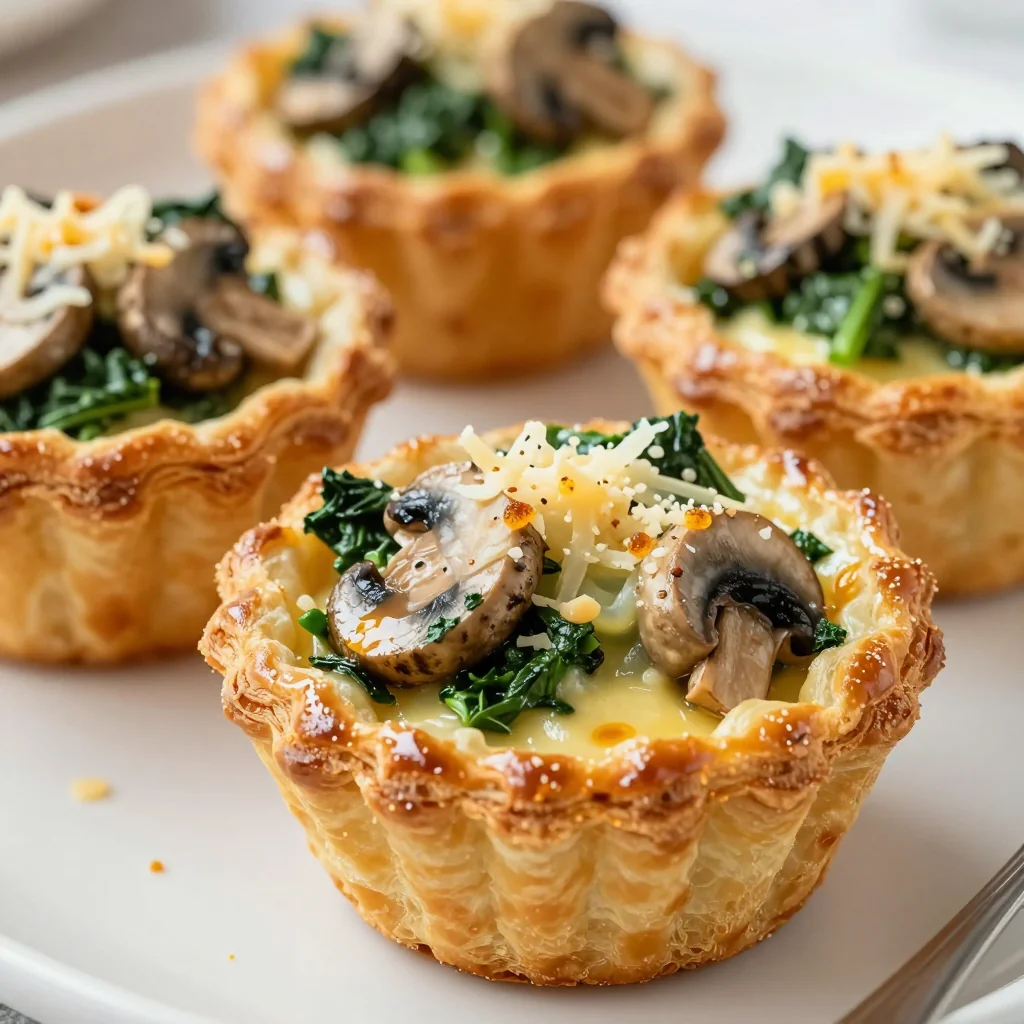
Fill each pastry square with a mixture of sautéed mushrooms, onions, and spinach before adding the egg. The result is a savory mini pie that feels like a slice of gourmet comfort food.
Herb‑Infused Variation
Replace chives with fresh thyme and rosemary. The aromatic herbs infuse the pastry and egg with a fragrant, earthy flavor that’s ideal for a brunch with friends.
Storing and Bringing It Back to Life
Fridge Storage
Store leftover pastries in an airtight container in the refrigerator for up to 2 days. Reheat in a preheated oven at 350°F for 5–7 minutes until the pastry is crisp again. The egg may firm up slightly, but the flavor remains intact.
Freezer Friendly
Wrap each pastry square in parchment paper and place them in a freezer bag. They stay fresh for up to 3 months. Thaw overnight in the refrigerator and bake at 375°F for 10–12 minutes, or until the pastry is golden and the egg is set.
Best Reheating Method
Add a tiny splash of water to the bottom of the baking sheet before reheating. The steam keeps the pastry from drying out and preserves the buttery texture. This simple trick ensures every bite tastes like it was freshly baked.