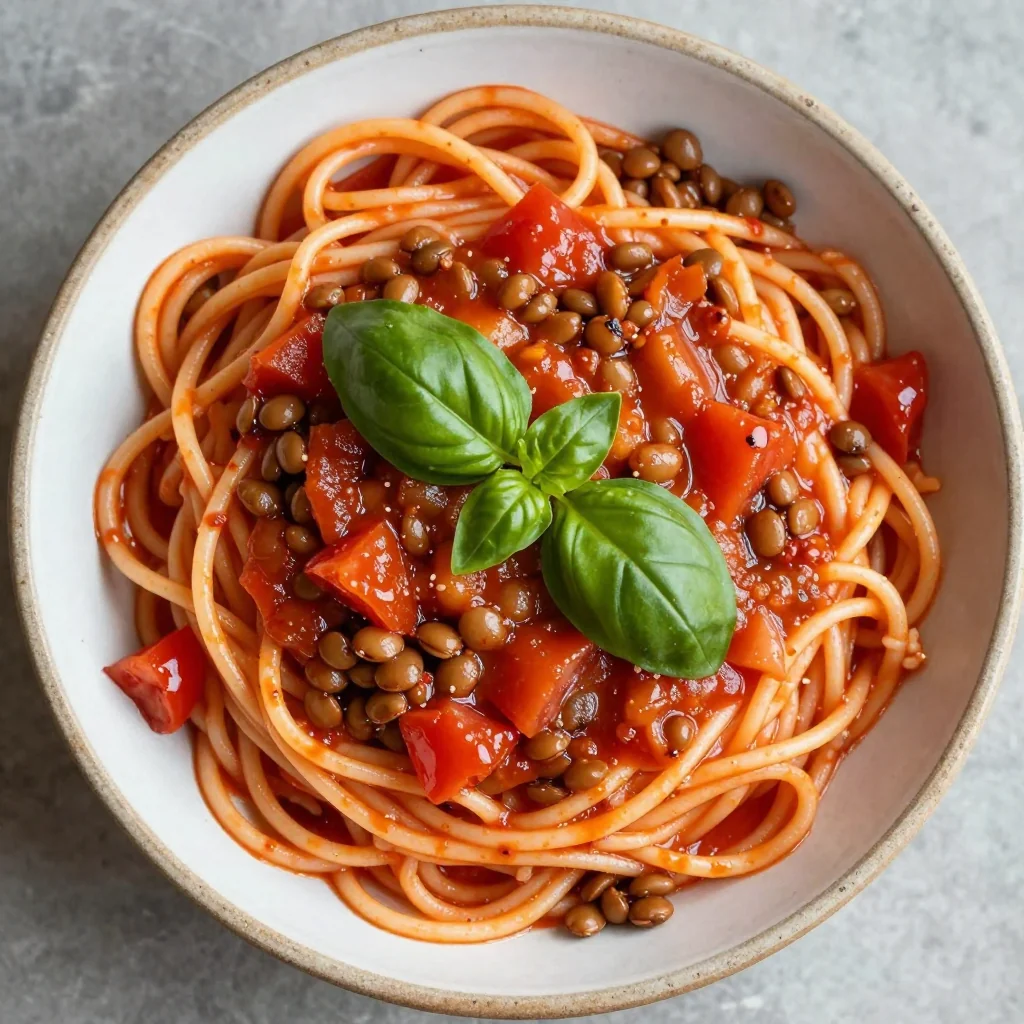
It all started on a humid Saturday afternoon when I was trying to salvage a forgotten loaf of bread that had gone stale in my pantry. I thought, “If I could make something tasty out of this, it might just save the day.” What emerged was a vibrant, sun‑kissed salad that turned my kitchen into a Mediterranean marketplace and my taste buds into a fireworks show. The moment the bread soaked in olive oil and vinegar, the aroma of toasted crust and bright tomatoes filled the air, and I knew I’d stumbled on something special.
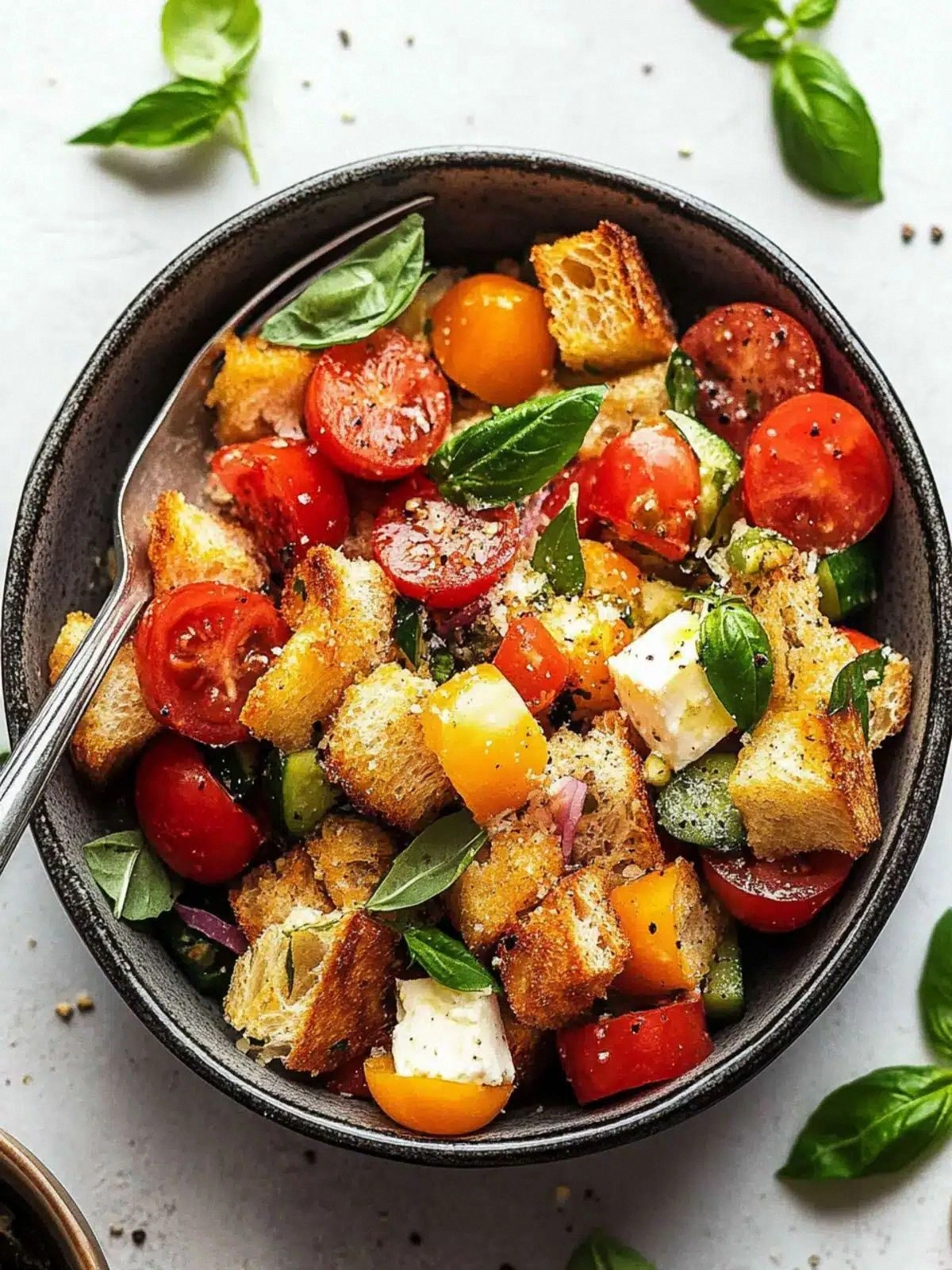
Picture this: a bowl of bright red tomatoes, crisp cucumber ribbons, and a splash of basil that looks like fresh green confetti. The bread, cut into bite‑sized cubes, has a golden, slightly crunchy exterior while staying soft inside. Every bite offers a burst of juicy fruit, a hint of tang from the dressing, and a satisfying chew that lingers. It’s a dish that feels both indulgent and refreshingly simple, making it perfect for a lazy Sunday lunch or a last‑minute dinner party.
What makes this version of Panzanella truly unforgettable is that it balances bold flavors with subtle textures, and it’s built around the freshest ingredients you can find at a local market. The bread isn’t just a filler; it’s the star, soaking up the vinaigrette like a sponge and providing that essential crunch. The dressing is a velvety blend of Dijon mustard and honey that gives the salad a silky coat, while the tomatoes burst with natural sweetness. Every element plays a role, creating a symphony of taste that’s both comforting and exciting.
And here’s a tease you won’t expect: the secret to that perfect bite is a quick, low‑heat toast that turns the bread cubes into golden, aromatic nuggets before they even meet the tomatoes. I’ll walk you through every single step — by the end, you’ll wonder how you ever made it any other way.
What Makes This Version Stand Out
- Flavor: The dressing is a harmonious blend of mustard, honey, and vinegar that coats the salad like velvet, delivering a bright, slightly sweet kick that elevates every bite.
- Texture: Day‑old bread transforms into a crunchy, chewy centerpiece, while the fresh vegetables provide a crisp, juicy contrast that keeps the salad lively.
- Freshness: Using ripe, summer tomatoes and crisp cucumbers guarantees a burst of natural sweetness that no pantry ingredient can match.
- Simplicity: With only ten ingredients, this recipe is a breeze to assemble, making it a go‑to for busy nights or last‑minute gatherings.
- Make‑ahead: The salad can be prepared up to four hours ahead, allowing the flavors to meld while you focus on other dishes.
- Versatility: Whether served as a light lunch, a side dish, or a starter, it adapts to any occasion, from backyard BBQs to elegant dinner parties.
Inside the Ingredient List
The Flavor Base
The foundation of this salad’s dressing is the combination of extra‑virgin olive oil, red wine vinegar, Dijon mustard, and honey. Olive oil brings a silky richness that binds the flavors, while the vinegar cuts through the sweetness and adds a bright acidity that balances the tomatoes. Dijon mustard adds depth and a subtle heat, and honey counters the vinegar’s sharpness with a mellow sweetness that coats the vegetables like a velvet glove. If you skip any of these, the dressing will lose its complexity and the salad will feel flat.
The Texture Crew
Day‑old crusty bread is the unsung hero of Panzanella. Its slightly dry surface allows it to soak up the dressing without falling apart, while its interior remains chewy and satisfying. The bread also adds a comforting, almost nostalgic element that makes the salad feel hearty. If you use fresh bread, it will become soggy and lose its crunch; if you use stale bread that’s too dry, it will crumble into mush. For the best texture, choose a loaf that’s firm yet a day old, like a sourdough or ciabatta.
The Unexpected Star
Fresh basil leaves are more than just a garnish; they inject a bright, peppery aroma that lifts the entire dish. Basil’s natural oils mingle with the dressing, creating a fragrant layer that clings to the bread and vegetables. If you’re missing basil, a handful of fresh mint or oregano can substitute, but the flavor profile will shift noticeably. Basil also provides a subtle bitterness that counterbalances the sweetness of the honey, creating a well‑rounded taste.
The Final Flourish
The remaining vegetables—ripe tomatoes, crisp cucumber, and a thinly sliced red onion—bring color, crunch, and a burst of flavor. The tomatoes add juiciness and natural sweetness; the cucumber offers a cool, refreshing bite; and the red onion gives a sharp, slightly sweet bite that cuts through the richness of the dressing. Skipping any of these will leave a noticeable void in the salad’s overall sensory experience. For a sweeter variation, you could add a handful of diced peaches or nectarines.
Everything’s prepped? Good. Let’s get into the real action.
The Method — Step by Step
- Preheat a large skillet over medium heat and add the day‑old bread cubes. Toss them every 2 minutes until they develop a golden, slightly crisp exterior. The bread should smell toasty, like a freshly baked loaf. This quick toast locks in flavor and gives the salad its signature crunch.
- While the bread is toasting, dice the tomatoes into bite‑sized cubes, peel and slice the cucumber into thin ribbons, and thinly slice the red onion into rings. Keep the vegetables separate until the dressing is ready to avoid sogginess. The bright colors will make the salad look as good as it tastes.
- In a small bowl, whisk together the extra‑virgin olive oil, red wine vinegar, Dijon mustard, and honey until the mixture emulsifies and becomes slightly thick. The dressing should coat the back of a spoon. Taste it; adjust salt and pepper to taste. A well‑balanced dressing is the secret to a memorable salad.
- Transfer the toasted bread cubes to a large mixing bowl. Drizzle the dressing over the bread and gently toss until every cube is coated. The bread should be saturated but not soggy; it will soften slightly when the vegetables are added.
- Add the diced tomatoes, cucumber ribbons, and sliced red onion to the bowl. Sprinkle the fresh basil leaves over the top. Toss everything together until the vegetables are evenly distributed and the dressing coats each component. The salad should look like a vibrant mosaic.
- Let the salad rest at room temperature for 15–20 minutes to allow the flavors to meld. The bread will continue to soften slightly, absorbing more dressing. This resting period is essential for achieving the perfect balance of textures.
- Just before serving, give the salad a final gentle toss and taste for seasoning. Add a pinch of salt or a dash of pepper if needed. The salad should be bright, tangy, and slightly sweet, with a satisfying crunch from the bread.
- Serve immediately, or for a more intense flavor, let it sit for an additional hour. If you’re serving at a picnic or barbecue, bring the salad in a covered container to keep the bread from drying out.
Insider Tricks for Flawless Results
The Temperature Rule Nobody Follows
Many people assume that bread must be toasted at high heat for a crunchy finish, but the truth is a gentle medium‑heat toast preserves the bread’s structure while still developing flavor. A quick, low‑heat approach keeps the bread from browning too dark, which can mask the subtle sweetness of the tomatoes. I once toasted bread at too high a temperature, and the result was a burnt crust that clung to the salad. That experience taught me the value of a measured approach.
Why Your Nose Knows Best
When the bread starts to smell toasty, that’s your cue to remove it from the skillet. The aroma is a reliable indicator of optimal crispness. A lack of scent means the bread is still too dry; too much scent indicates it’s over‑cooked. Trusting your senses ensures each cube is the perfect balance between crunchy and chewy.
The 5‑Minute Rest That Changes Everything
After adding the dressing, let the salad sit for five minutes before tossing again. This brief pause allows the bread to soak up the vinaigrette fully, giving it a richer flavor. Skipping this step can leave the bread slightly dry and the salad uneven. I’ve found that a short rest makes the dish feel more cohesive.
Use a Fresh Slice of Bread
Even if the bread is a day old, avoid using stale, overly dry bread. Instead, slice it into cubes and give it a quick toast. The slight crispness from the toast will bring back the bread’s desirable texture. If you’re using a very fresh loaf, consider letting it rest at room temperature for a few hours before toasting to reduce moisture content.
Keep the Dressing Separate Until the Last Moment
Adding the dressing too early can cause the bread to become soggy. Wait until the bread is toasted and the vegetables are diced before combining. This timing keeps each component at its ideal moisture level and preserves the salad’s vibrant crunch.
Creative Twists and Variations
This recipe is a playground. Here are some of my favorite ways to switch things up:
Sun‑Dried Tomato & Pesto Panzanella
Swap fresh tomatoes for sun‑dried tomatoes and add a spoonful of basil pesto to the dressing. The result is a richer, earthier flavor that pairs beautifully with grilled chicken. Perfect for a summer BBQ where you want a heartier salad.
Caprese‑Style Panzanella
Introduce fresh mozzarella cubes and a drizzle of balsamic glaze. The creamy cheese and sweet glaze add a luxurious twist that makes the salad feel like a full‑blown Caprese. Ideal for a romantic dinner or a fancy brunch.
Greek‑Inspired Panzanella
Replace the basil with chopped dill and add feta cheese crumbles. Use a lemon‑based vinaigrette instead of red wine vinegar. The citrusy brightness and salty feta give the dish a Mediterranean flair that’s sure to impress.
Vegan Panzanella
Omit the honey and replace it with maple syrup or agave nectar. Use a plant‑based Dijon mustard and keep the dressing entirely vegan. The salad remains just as flavorful, making it a perfect option for plant‑based gatherings.
Summer Berry Panzanella
Incorporate fresh strawberries or blueberries for a sweet, tart burst. Add a handful of chopped mint to complement the berries. This version is a refreshing palate cleanser after a spicy meal.
Storing and Bringing It Back to Life
Fridge Storage
Store the salad in an airtight container in the refrigerator for up to 24 hours. The bread will soften slightly, but the flavors will still mingle beautifully. Keep the container loosely sealed to allow some airflow, preventing the bread from becoming too soggy.
Freezer Friendly
Freezing is not recommended for this salad, as the bread will lose its crunch and the vegetables will become mushy. If you must store it, freeze the dressing separately and combine with fresh bread and vegetables when ready to serve.
Best Reheating Method
To revive the salad, add a tiny splash of water to the bowl and cover it with plastic wrap. Let it sit at room temperature for 10 minutes, then give it a gentle toss. The water steams the bread back to a pleasant softness while preserving the crunch of the vegetables.
That’s it — you did it. But hold on, I’ve got a few more tricks that’ll take this to another level. Let’s dive into the recipe card where you’ll find all the details you need to recreate this masterpiece.