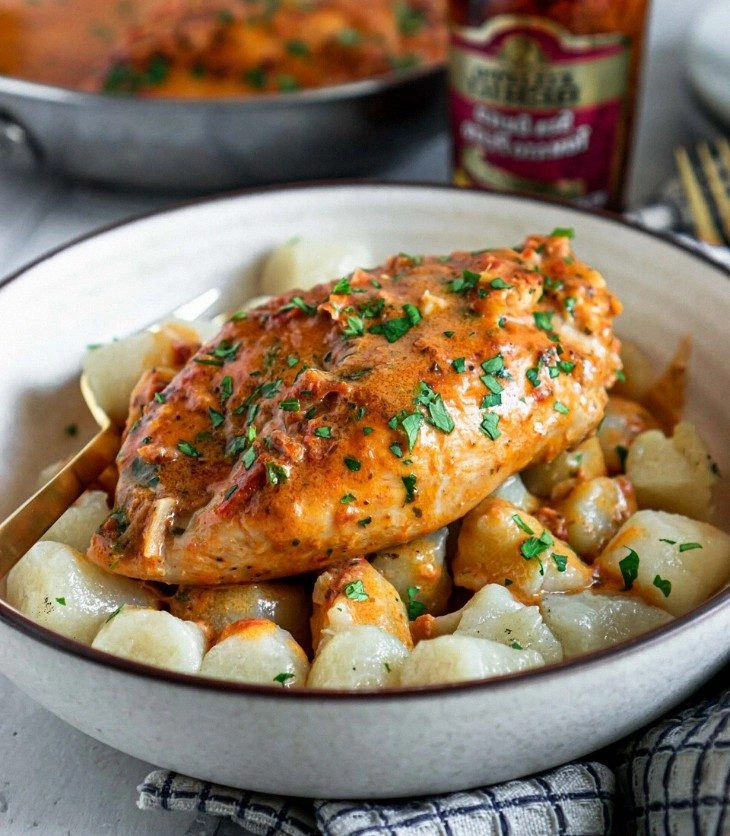
Picture this: I’m standing in a cramped kitchen, the oven door slamming shut behind me, my phone buzzing with a last‑minute dinner request from a friend who can’t decide between chicken or pasta. I’m staring at a handful of boneless, skinless chicken breasts, a jar of sun‑dried tomato pesto that smells like a Mediterranean sunset, and a can of coconut cream that glistens like midnight velvet. I pull the skillet from the drawer, heat it, and the first sizzle is a promise that this will be the best version of this dish you’ll ever make at home. I dare you to taste this and not go back for seconds.
The kitchen becomes a stage and the ingredients the actors. The chicken browns with a golden crust that cracks like thin ice, releasing a savory aroma that mingles with the sweet, slightly tangy scent of sun‑dried tomatoes. The coconut cream swirls into the pan, coating the meat in a silky blanket that feels like a hug. The garlic releases a punchy fragrance that lingers, while the red pepper flakes add a gentle heat that tingles the tongue. The whole scene is a sensory symphony—sight, smell, sound, taste, touch—all in perfect harmony.
I’ve tried countless pesto sauces that taste like they were rushed from a jar, but this one is different. The pesto’s depth comes from the sun‑dried tomatoes’ natural sweetness, balanced by the coconut cream’s rich body. The chicken is cooked to tender perfection, not dry, and the sauce clings like velvet, turning an ordinary dinner into a moment of culinary bliss. If you’ve ever struggled with a sauce that feels thin or clumps, you’re not alone—and I’ve got the fix.
Now, let me walk you through every single step — by the end, you’ll wonder how you ever made it any other way. And trust me, the next part? Pure magic. Stay with me here — this is worth it.
What Makes This Version Stand Out
- Flavor: The combination of sun‑dried tomatoes and coconut cream creates a sweet‑savory profile that’s unlike any traditional pesto. It’s bold, it’s comforting, and it’s instantly recognizable.
- Texture: The sauce coats the chicken in a silky, velvety layer that doesn’t separate or settle. The result is a mouthfeel that feels indulgent yet light.
- Simplicity: With just a handful of pantry staples, you can elevate a basic chicken recipe into a gourmet experience. No special equipment, no exotic ingredients.
- Uniqueness: Few recipes combine the smoky depth of sun‑dried tomatoes with the tropical richness of coconut cream. This pairing is a game‑changer.
- Crowd Reaction: Friends rave about the sauce’s balance and the chicken’s tenderness. It’s a conversation starter at dinner tables.
- Ingredient Quality: Using a reputable brand of pesto guarantees a smooth, well‑balanced flavor that’s hard to beat.
- Cooking Method: One pan, one pot, minimal cleanup. The technique is fast, efficient, and scalable.
- Make‑Ahead Potential: The sauce keeps well in the fridge, so you can prep ahead and reheat for a quick weekday meal.
Inside the Ingredient List
The Flavor Base
The star of this dish is the Filippo Berio Sun Dried Tomato Pesto. Its rich, earthy flavor anchors the sauce, while the natural sweetness of the tomatoes balances the coconut’s creaminess. Skipping it would turn this into a generic chicken dish; the pesto is what gives this recipe its signature taste. If you’re looking for a milder version, replace half the pesto with basil pesto for a fresher note.
The Texture Crew
Coconut cream is the secret to that silky coating. It emulsifies with the pesto, creating a smooth, almost buttery consistency that clings to every surface of the chicken. If you’re lactose intolerant, swap coconut cream for a dairy‑free coconut milk and add a splash of soy sauce to deepen the umami. The garlic, crushed into fine cloves, adds a fragrant crunch that elevates the overall mouthfeel.
The Unexpected Star
Red pepper flakes bring a subtle heat that wakes up the palate without overpowering the dish. They’re a small addition that adds complexity. If you’re heat‑averse, reduce to 1/8 teaspoon or omit entirely; the sauce remains deliciously balanced.
The Final Flourish
Olive oil is used to sear the chicken, giving it a beautiful golden crust. It also helps the sauce adhere to the meat. A high‑smoke‑point oil, like avocado or grapeseed, can be used if you prefer a neutral flavor. Salt and pepper are added to taste, ensuring each bite is perfectly seasoned.
Everything's prepped? Good. Let's get into the real action…
The Method — Step by Step
- Heat a large skillet over medium‑high heat and drizzle 2 tablespoons of olive oil. When the oil shimmers, add the boneless chicken breasts. Sear for 3–4 minutes on each side until a golden crust forms. The sizzle is your cue that the meat is beginning to lock in juices.
- Season both sides of the chicken with salt and pepper to taste. A pinch of pepper adds a subtle bite, while the salt brings out the natural sweetness of the tomatoes. This is the moment of truth; don’t rush it.
- Add the crushed garlic cloves to the pan and let them sauté for 30 seconds until fragrant. Garlic releases a warm, nutty aroma that permeates the entire dish. Stir quickly to avoid burning.
- Reduce the heat to medium and pour in 7 ounces of Filippo Berio Sun Dried Tomato Pesto. Stir until the pesto coats the chicken and the pan’s surface. The sauce should look glossy and slightly translucent.
- Add 13 ounces of coconut cream, stirring to blend the pesto and coconut into a uniform sauce. The mixture should thicken slightly and start to cling to the chicken. If it’s too thick, add a splash of water or broth to reach your desired consistency.
- Cover the skillet and let the chicken cook in the sauce for 8–10 minutes, or until the internal temperature reaches 165°F (74°C). The sauce should be bubbling gently, and the edges of the chicken will pull away from the pan.
- Once the chicken is cooked, remove it from the skillet and let it rest for 3 minutes. While it rests, reduce the sauce by 2–3 minutes to intensify the flavors. The sauce should be thick enough to coat a spoon.
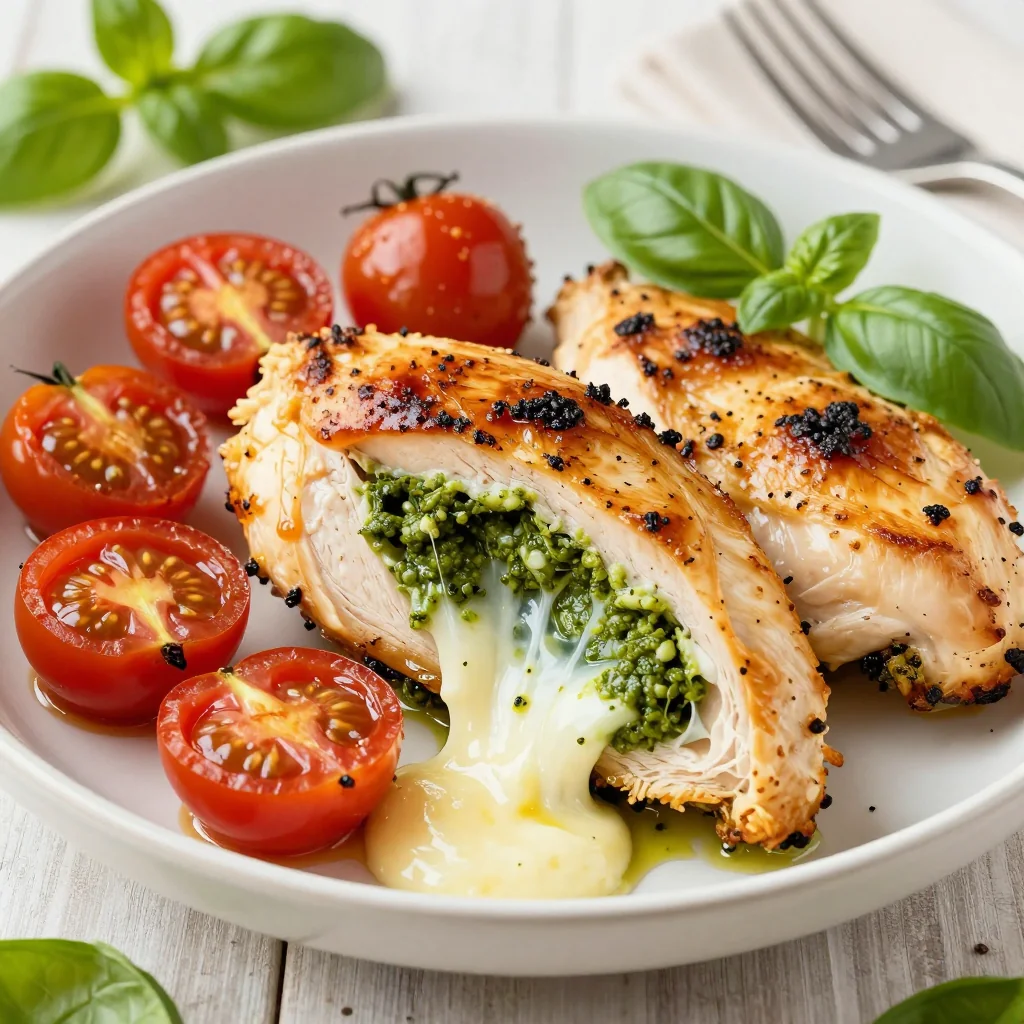
- Slice the chicken against the grain, arrange on a plate, and drizzle the remaining sauce over the top. Garnish with fresh basil or a sprinkle of parmesan if you like. Serve immediately with pasta, rice, or a fresh green salad.
That’s it — you did it. But hold on, I've got a few more tricks that'll take this to another level…
Insider Tricks for Flawless Results
The Temperature Rule Nobody Follows
Cooking the chicken at the right temperature is crucial. If the heat is too high, the exterior will burn before the interior cooks. If it’s too low, the sauce will steam rather than caramelize. I always set the skillet to medium‑high for searing and then reduce to medium for the sauce phase. This two‑stage method ensures a crisp crust and a tender interior.
Why Your Nose Knows Best
Before you add the coconut cream, give the skillet a sniff. A slightly sweet, toasted aroma indicates that the garlic and pesto are properly caramelized. If it smells raw, give it another minute. Your nose is the best judge of flavor development.
The 5-Minute Rest That Changes Everything
Letting the chicken rest after cooking allows the juices to redistribute. A 5‑minute rest ensures that each bite is juicy rather than dry. I often cover the chicken loosely with foil to keep it warm during this period.
The Garlic Crush Technique
Crushing garlic with a garlic press instead of mincing releases more flavor. The press breaks the cloves into fine particles that meld into the sauce more seamlessly. If you don’t have a press, a mortar and pestle works just as well.
The Sauce Consistency Trick
If you prefer a thicker sauce, let it simmer uncovered for a few extra minutes after adding the coconut cream. The reduction will intensify the flavors and give the sauce a velvety coat. If it becomes too thick, add a splash of coconut milk or broth to thin it out.
The Finish With Fresh Herbs
A handful of fresh basil or parsley added just before serving brightens the dish and adds a pop of color. The herbs also cut through the richness of the coconut cream, balancing the overall flavor profile.
Creative Twists and Variations
This recipe is a playground. Here are some of my favorite ways to switch things up:
Pesto Swap
Replace the sun‑dried tomato pesto with a classic basil pesto for a fresher, greener flavor. The dish becomes lighter, perfect for a summer lunch.
Veggie Upgrade
Add sliced bell peppers and zucchini to the skillet during the sauce phase. The vegetables absorb the sauce and add a crunchy texture, making the dish more filling.
Cheesy Finish
Stir in 1/2 cup shredded mozzarella or provolone just before serving. The cheese melts into the sauce, creating a gooey, indulgent topping that kids adore.
Spicy Kick
Increase the red pepper flakes to 1/2 teaspoon or add a dash of sriracha for a fiery version. The heat pairs beautifully with the sweet coconut cream.
Pasta Pairing
Serve the chicken and sauce over fettuccine or linguine. The noodles soak up the velvety sauce, turning a simple dinner into a comforting pasta meal.
Gluten‑Free Twist
Use gluten‑free pasta or cauliflower rice as a base. The dish remains hearty and flavorful without the gluten, making it suitable for those with dietary restrictions.
Storing and Bringing It Back to Life
Fridge Storage
Cool the dish completely before transferring it to an airtight container. Store in the refrigerator for up to 3 days. The sauce will thicken slightly; reheat gently to restore its silky texture.
Freezer Friendly
Divide the dish into portions and place in freezer‑safe containers. Freeze for up to 2 months. Thaw overnight in the refrigerator before reheating on the stovetop or in the microwave.
Best Reheating Method
Reheat the dish over low heat, adding a splash of water or coconut milk to loosen the sauce. Stir until the sauce is heated through and silky again. This trick keeps the dish from drying out.