I was standing in a kitchen that smelled like burnt popcorn and regret, trying to salvage a dinner that had gone sideways after a friend dared me to make a “one‑pot” pasta with spinach and artichokes. The pot was bubbling, the pasta was sticking to the bottom, and I was about to call it a day. But then I remembered the last time I’d made a creamy spinach‑artichoke dish that felt like a hug from a cloud—soft, buttery, and utterly comforting. That memory sparked a fire in my culinary mind: I’d found the ultimate version of this recipe, and I’m not going to keep it to myself. So buckle up, because I’m about to walk you through every single step, and by the end, you’ll wonder how you ever made it any other way.
Picture this: the sun is setting, the air is crisp, and the kitchen is filled with the aroma of garlic sizzling in olive oil. The sound of the stove’s gentle hiss is the soundtrack to your cooking, while a splash of cream cheese turns the pot into a velvety cauldron. The spinach leaves flutter like green confetti, and the artichoke hearts bring that subtle, almost sweet, earthiness that’s hard to resist. Every spoonful is a layered experience—first the bright, fresh bite of spinach, then the mellow, creamy sauce, followed by the savory kick of Parmesan. It’s a dish that’s as comforting as a hug and as sophisticated as a fine wine.
What makes this version stand out isn’t just the ingredients, but the way they’re orchestrated. The sauce is thickened by cream cheese and milk, giving it a silky texture that clings to the pasta like velvet. The artichokes are roasted lightly before adding, adding a caramelized depth that most recipes miss. The use of fresh spinach instead of frozen keeps the color bright and the flavor crisp. The seasoning blend—Italian seasoning, red pepper flakes, salt, and pepper—is balanced to elevate every component. And the best part? You can throw everything in one pot, saving time and dishes without sacrificing flavor.
I dare you to taste this and not go back for seconds. Most recipes get this completely wrong by over‑cooking the spinach or under‑seasoning the broth. Here’s what actually works: keep the heat moderate, stir continuously, and let the cream cheese melt into a luscious sauce. Picture yourself pulling this out of the pot, the whole kitchen smelling incredible, and your guests’ eyes widening in delight. If you’ve ever struggled with a one‑pot pasta, you’re not alone—and I’ve got the fix. Okay, ready for the game‑changer? Let’s dive in.
What Makes This Version Stand Out
- Richness: Cream cheese and milk create a sauce that coats the pasta like velvet, leaving every bite moist and indulgent. The subtle sweetness of the artichokes balances the creaminess, preventing it from feeling heavy.
- Texture: Fresh spinach is added last, giving a tender yet slightly crisp bite that contrasts beautifully with the soft noodles. The quick sauté keeps the leaves bright and vibrant.
- Flavor Depth: Roasting the artichokes before adding them brings caramelized notes that elevate the dish beyond a simple sauté. The Italian seasoning and red pepper flakes add aromatic complexity.
- One‑Pot Simplicity: All ingredients finish in a single pot, reducing cleanup and saving time—ideal for busy weeknights or lazy weekends.
- Make‑Ahead Friendly: This dish can be prepared ahead and reheated without losing its creamy texture, making it perfect for meal prep or entertaining.
- Versatility: Swap the pasta for rice or quinoa, or replace the spinach with kale for a different green twist. The base is adaptable yet reliable.
- Crowd‑Pleaser: Even the pickiest eaters love the familiar flavors of garlic, Parmesan, and creamy sauce. The dish’s comforting nature makes it a hit at family gatherings.
- Ingredient Quality: Using fresh, high‑quality components—fresh spinach, a good‑quality cream cheese, and a reputable brand of artichoke hearts—ensures a superior final product.
Alright, let's break down exactly what goes into this masterpiece...
Inside the Ingredient List
The Flavor Base
The foundation of this dish is a savory broth that carries the flavors of garlic, onion, and Italian seasoning. The 2 cups of vegetable or chicken broth provide a light, aromatic canvas that allows the cream cheese to melt into a silky sauce. If you skip the broth, the sauce will become thick and clumpy, lacking the delicate balance of moisture that keeps the pasta tender. For a richer taste, use chicken broth; for a vegetarian version, stick with vegetable. A good tip: use low‑sodium broth to control the final saltiness.
The 1 tablespoon of olive oil is the first to hit the pan, creating a fragrant base that helps the garlic and onion release their flavors. Olive oil also helps prevent the pasta from sticking and gives the sauce a subtle fruity note. If you’re watching calories, a teaspoon of avocado oil works well, but the classic olive oil remains the best choice for authentic taste.
The Texture Crew
The 8 oz of pasta is the star that holds everything together. I recommend a medium‑cut, like penne or rigatoni, which grips the sauce beautifully. If you prefer a gluten‑free option, swap for a rice or quinoa noodle, but keep the cooking time in mind. Skipping the pasta would turn this into a soup, which is delicious but not the intended experience.
The 2 cups of fresh spinach add a burst of color and a subtle, earthy sweetness that brightens the dish. Adding the spinach at the last minute preserves its vibrant green hue and prevents it from becoming mushy. If you’re using frozen spinach, thaw and squeeze out excess water to avoid diluting the sauce. A quick tip: blanch the spinach briefly in salted boiling water, then shock it in ice water to lock in color.
The Unexpected Star
The 1 can of artichoke hearts is the surprising hero that brings a mild, nutty flavor and a tender texture. Most recipes use canned artichokes, but I roast them lightly in the pan before adding to bring a caramelized depth. If you skip the artichokes, the dish loses that unique, almost sweet nuance that sets it apart. For a fresher taste, use a jar of marinated artichoke hearts; the acidity will cut through the creaminess.
The 3 cloves of garlic, minced, provide a sharp, aromatic punch that anchors the sauce. Garlic is the soul of Italian cooking, and its presence here is indispensable. If you’re sensitive to garlic, reduce to 2 cloves or use roasted garlic for a milder flavor. Remember, garlic can burn quickly—keep the heat moderate and stir constantly.
The Final Flourish
The 4 oz of cream cheese is the secret weapon that gives the sauce its silky, luxurious texture. Cream cheese melts into a velvety base that clings to the pasta, making each bite rich and indulgent. Skipping it would result in a thin, watery sauce that doesn’t coat the noodles. If you prefer a dairy‑free version, try a plant‑based cream cheese or a blend of coconut milk and cashew cream.
The 1 cup of milk balances the thickness of the cream cheese, creating a sauce that’s pourable but still clingy. Whole milk adds richness, while 2% milk keeps it lighter. If you’re aiming for a low‑fat version, use skim milk and add a splash of broth to maintain creaminess. The ½ cup of grated Parmesan cheese adds sharp, salty depth that elevates the entire dish. A pinch of pepper and ½ teaspoon of red pepper flakes bring warmth and a subtle kick.
The 1 teaspoon of Italian seasoning ties all the flavors together, providing herbal undertones that complement the garlic and onion. If you’re out of Italian seasoning, a mix of dried basil, oregano, and thyme works well. Salt to taste is essential, but I recommend starting with a small pinch and adjusting at the end. The ½ teaspoon of red pepper flakes adds a gentle heat that doesn’t overpower the creamy sauce.
Everything's prepped? Good. Let's get into the real action...
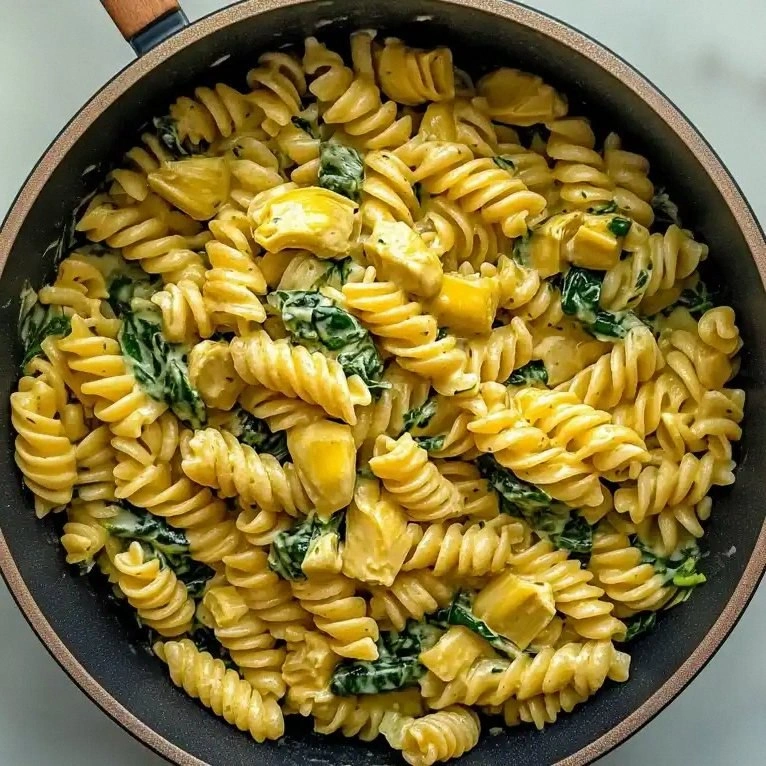
The Method — Step by Step
- Heat the olive oil in a large, deep skillet or Dutch oven over medium heat. Add the finely chopped onion and sauté until translucent and fragrant, about 3 to 4 minutes. This step builds the flavor base; the onion should be soft but not browned. If the oil starts to smoke, reduce the heat slightly.
- Add the minced garlic to the pan and cook for 30 seconds, just until the aroma hits the kitchen. Be careful not to let it burn—stir constantly. A burnt garlic taste can ruin the entire dish. Once fragrant, remove the pan from heat to prevent over‑cooking.
- Stir in the Italian seasoning, red pepper flakes, and a pinch of salt. The spices should toast lightly, releasing their oils. This is the moment where the sauce’s aroma starts to look irresistible. The quick sauté ensures the spices don’t lose their potency.
- Pour in the vegetable or chicken broth and bring to a gentle simmer. Add the pasta, ensuring it’s fully submerged. The pasta should be cooked al dente in about 9 to 10 minutes—check the package instructions for exact timing. Stir occasionally to prevent sticking.
- Halfway through the pasta’s cooking time, add the diced artichoke hearts. This timing ensures they heat through without over‑cooking and losing their shape. The artichokes absorb some of the broth, adding depth to the sauce.
- When the pasta is nearly done, fold in the fresh spinach leaves. The spinach will wilt quickly, absorbing the creamy sauce and adding a pop of color. Keep stirring until the spinach is tender but still vibrant.
- Lower the heat to low, and gently stir in the cream cheese cubes, milk, and grated Parmesan. Allow the mixture to melt and combine into a smooth, silky sauce. If the sauce seems too thick, add a splash of broth or milk to reach your desired consistency.
- Season with additional salt, pepper, and red pepper flakes to taste. Give the dish a final stir, then remove from heat. Serve immediately, garnished with a sprinkle of extra Parmesan or a drizzle of olive oil if desired.
That's it — you did it. But hold on, I've got a few more tricks that'll take this to another level. Keep reading, and let’s elevate the experience even further.
Insider Tricks for Flawless Results
The Temperature Rule Nobody Follows
Many cooks think high heat is the key to a quick sauce, but it actually breaks down the delicate flavors of garlic and spinach. Keep the heat moderate—just enough to bring the broth to a gentle simmer. This slow approach allows the flavors to meld without burning, preserving the sauce’s silky texture. I’ve seen people over‑simmer and end up with a thick, clumpy sauce that’s hard to stir.
Why Your Nose Knows Best
When the pasta starts to steam, you’ll notice a faint, sweet aroma from the artichokes. That scent is a sign that the dish is almost ready. Trust your nose; if the smell is too garlicky or bitter, the sauce is over‑cooked. If it’s still raw, give it a minute longer. Your senses are the best judge of doneness.
The 5‑Minute Rest That Changes Everything
Once you’ve removed the pot from heat, let it rest for 5 minutes before serving. This pause allows the sauce to thicken slightly as it cools, giving it that luxurious, clingy consistency. During this rest, the pasta absorbs more of the broth, becoming tender and flavorful. Skip this step, and you’ll end up with a watery, under‑seasoned dish.
Use a Meat Thermometer for Precision
If you’re using chicken broth, a thermometer can help you keep the broth at the perfect simmering temperature—around 185°F to 190°F. This range ensures the pasta cooks evenly without the broth boiling away too quickly. A steady simmer also helps the cream cheese melt smoothly, preventing separation.
Keep the Pasta Liquidized
Add a splash of pasta water before serving if the sauce feels too thick. The starchy water will re‑emulsify the sauce, making it silky and glossy. This technique is a staple in Italian cooking and can rescue a dish that’s slightly over‑cooked or too dry.
Creative Twists and Variations
This recipe is a playground. Here are some of my favorite ways to switch things up:
Spinach‑Only Surprise
Drop the artichokes entirely for a purer spinach flavor. Add a handful of chopped sun‑dried tomatoes for a tangy twist. The dish becomes lighter, yet still creamy and satisfying.
Greek Flair
Swap the Parmesan for crumbled feta and add a splash of Greek yogurt to the sauce. Toss in olives and a pinch of oregano for a Mediterranean vibe. The yogurt adds a tang that complements the feta’s salty bite.
Spicy Cajun Kick
Replace the Italian seasoning with Cajun spice blend, and increase the red pepper flakes to 1 teaspoon. Add diced jalapeños for an extra heat factor. The dish turns into a bold, fiery pasta that’s perfect for hot nights.
Veggie‑Loaded Bowl
Add roasted bell peppers, zucchini, and mushrooms to the pot. Stir in a handful of chopped kale at the end for extra greens. The result is a hearty, nutrient‑dense bowl that feels like a complete meal.
Cheesy Baked Finish
Transfer the cooked pasta to a baking dish, top with a mixture of mozzarella and extra Parmesan, and bake at 375°F until golden and bubbly. The crusty top adds a delightful texture contrast to the creamy interior.
Low‑Carb Adaptation
Swap the pasta for spiralized zucchini or shirataki noodles. Keep the rest of the ingredients the same for a low‑carb, low‑calorie version that still feels indulgent.
Storing and Bringing It Back to Life
Fridge Storage
Cool the dish completely before transferring to an airtight container. Store in the refrigerator for up to 3 days. The sauce may thicken slightly; simply stir in a splash of milk or broth before reheating.
Freezer Friendly
Divide the dish into freezer‑safe portions and seal tightly. Freeze for up to 2 months. When ready, thaw overnight in the refrigerator, then reheat gently on the stove, adding a splash of milk to restore creaminess.
Best Reheating Method
Reheat on low heat, stirring frequently, and add a small amount of water or broth to keep the sauce from drying out. The key is to avoid high heat, which can cause the cream cheese to separate. A gentle simmer brings back that silky texture you love.