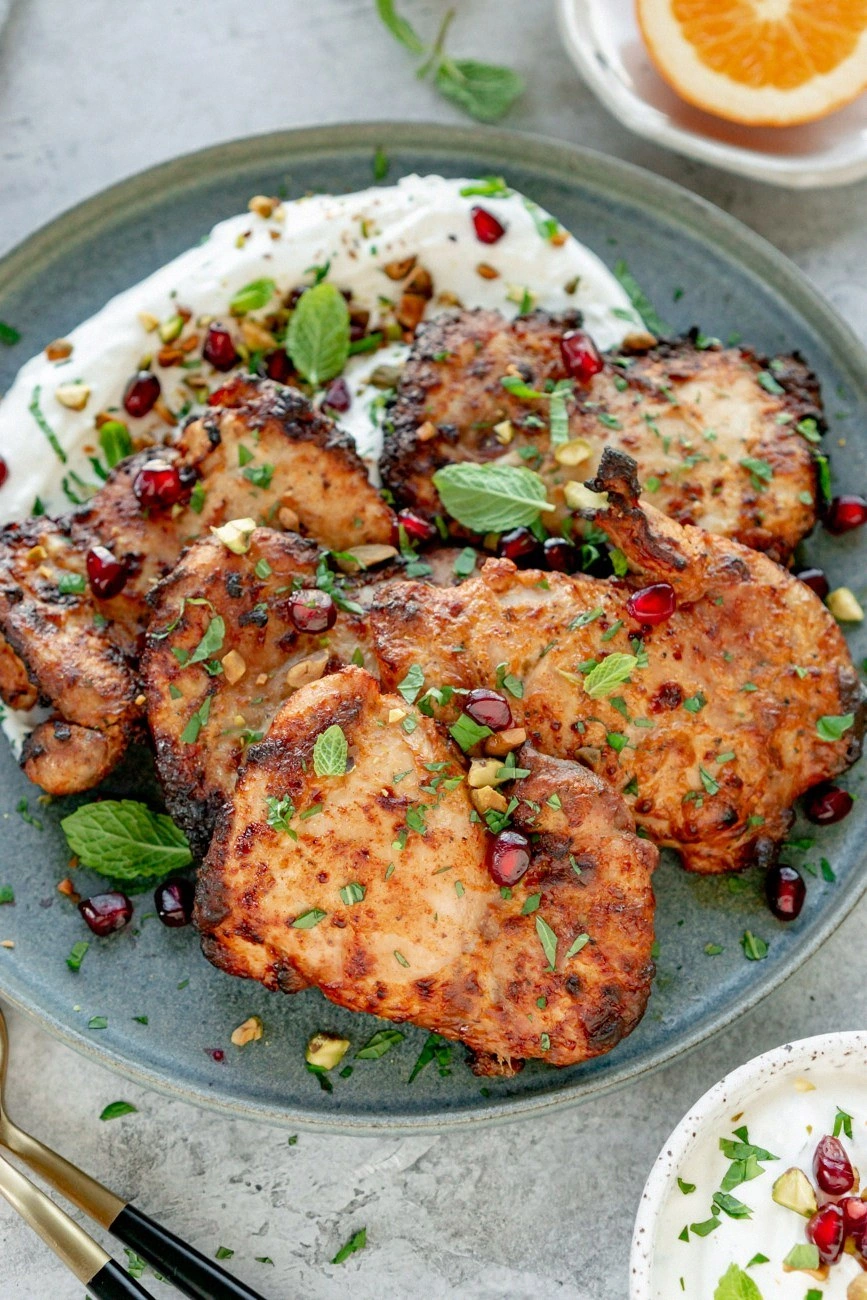
I was in the middle of a late‑night snack run when my fridge exploded into a yogurt‑filled, citrus‑scented storm. The whole milk Greek yogurt had a creamy, almost silky texture that begged for adventure, and I thought, “Why not turn this into a dinner that feels like a vacation?” The aroma of orange and lemon mingled with a subtle hint of paprika made my kitchen feel like a Mediterranean market. The sizzling sound of chicken hitting the hot pan was the soundtrack to a culinary triumph I wasn’t ready to quit. That moment, my friend dared me to create the ultimate chicken thigh yogurt marinade, and I swore I’d deliver a dish that would make every taste bud do a happy dance.
I’ve tried every yogurt‑based chicken recipe on the internet—from the classic tandoori to the trendy Greek yogurt rubs—yet none of them captured that silky, tangy, and utterly comforting sensation that this version brings. The secret? A perfectly balanced blend of shawarma seasoning, paprika, garlic powder, onion powder, and a splash of citrus that together coat the thighs like velvet while the yogurt acts as a tenderizing agent. I dare you to taste this and not go back for seconds, because the first bite will leave you craving the second without the guilt of a greasy overload. Picture yourself pulling this out of the oven, the whole kitchen smelling incredible, and realizing that this isn’t just dinner; it’s a passport to flavor.
I’ll be honest—before I perfected this recipe, I ate half the batch before anyone else got to try it. The first time I made it, the chicken was a bit dry, and I blamed the yogurt for being too thick. That’s when I discovered the trick of adding a little lemon juice to thin it out, creating a sauce that clings to the meat without making it soggy. The result? Juicy thighs with a bright, aromatic crust that shatters like thin ice when you bite into it. This is hands down the best version you’ll ever make at home, and I’m about to walk you through every single step so you can replicate the magic.
Most recipes get this completely wrong by over‑marinating or under‑seasoning, but here, each ingredient plays a crucial role in building layers of flavor. I’ll show you how to keep the yogurt’s creaminess intact while letting the spices bloom, how to avoid the dreaded “yogurt slide” that makes the coating slip off the chicken, and how to finish the dish with a burst of citrus brightness that lifts the whole plate. If you’ve ever struggled with achieving that perfect balance, you’re not alone—and I’ve got the fix. Ready for the game‑changer? Let’s dive in.
This recipe isn’t just about chicken and yogurt; it’s a study in contrast and harmony. The yogurt’s mildness is counterbalanced by the warm, earthy shawarma seasoning, while the orange juice adds a subtle sweetness that cuts through the richness. The paprika brings a smoky depth that you’d expect from a grill, and the garlic and onion powders give a savory backbone. Together, they create a sauce that coats the thighs like velvet and crisps up into a caramelized crust that shatters like thin ice when you bite. And that’s why this version stands out from every other recipe out there.
I’m about to reveal a technique that most people overlook: the “double‑marinade” method. After the first 30 minutes of marinating, I stir in a splash of orange juice and a pinch of salt to deepen the flavor profile. This step ensures that the yogurt doesn’t just sit on the surface but permeates the meat, resulting in a juicy, tender interior. Trust me, the difference is palpable—your mouth will remember the subtle citrus undertone long after the last bite. And if you’re hungry for more, keep reading because I’ve got a few more tricks that will take this to another level.
What Makes This Version Stand Out
- Taste: The blend of shawarma seasoning and paprika creates a smoky, savory base that is both familiar and exotic, while the citrus juices add a bright, refreshing finish that lifts the dish.
- Texture: The yogurt’s creamy consistency tenderizes the chicken, and the quick sear locks in juices, producing a crisp exterior that cracks like thin ice.
- Ingredient Quality: Using whole‑milk Greek yogurt gives a richer flavor than low‑fat versions, and fresh citrus juices bring natural sweetness and acidity.
- Make‑ahead Potential: The dish can be marinated overnight, allowing flavors to develop deeper without compromising the yogurt’s integrity.
- Cook Method: A combination of oven roasting and stovetop finishing ensures even cooking while maximizing caramelization.
- Crowd Reaction: The dish’s vibrant colors and fragrant aroma make it a show‑stopper at gatherings, with guests often asking for the recipe after the first bite.
Alright, let's break down exactly what goes into this masterpiece. Every ingredient is chosen for its ability to enhance flavor, texture, and visual appeal, turning a simple chicken thigh into a culinary highlight.
Inside the Ingredient List
The Flavor Base
Whole‑Milk Greek Yogurt: This thick, tangy yogurt acts as the main binder, providing a creamy texture that coats the chicken like velvet. Its high protein content helps tenderize the meat, preventing dryness during cooking. If you skip it, the sauce loses its silky mouthfeel and the chicken may end up with a drier bite. Swap with regular Greek yogurt if you prefer a thinner consistency, but keep in mind the flavor will be slightly less rich.
Shawarma Seasoning: A pre‑made blend of cumin, coriander, cardamom, cinnamon, and allspice, shawarma seasoning adds an aromatic warmth that evokes Middle Eastern street food. It’s the secret to that smoky depth you’ll feel on the first bite. If you don’t have a ready‑made blend, combine 1/4 tsp each of cumin, coriander, and cardamom with 1/8 tsp cinnamon and a pinch of allspice. The result will still carry that exotic punch.
Paprika: Smoky or sweet paprika lends a gentle heat and a deep, ruby hue that makes the dish visually appealing. It also helps the chicken develop a caramelized crust during roasting. If you prefer a milder flavor, reduce the amount to 1/2 tsp; the dish will still maintain its signature color.
Garlic Powder: A dry, concentrated garlic flavor that permeates the yogurt without the risk of burning. It provides a savory backbone that balances the citrus. If fresh garlic is on hand, use 1 clove minced instead; the result will be fresher but slightly more pungent.
Onion Powder: Adds subtle sweetness and depth, complementing the garlic and spices. If you’re allergic to onion, a pinch of finely chopped scallion can provide a milder alternative.
Kosher Salt: Enhances all the flavors without overpowering. Use sea salt if you prefer a different mineral profile. Salt is essential; skipping it will leave the dish flat.
Black Pepper: Freshly ground pepper brings a bright, aromatic heat that cuts through the richness of the yogurt. If you’re sensitive to spice, use only a pinch.
Lemon Juice: The acidity from lemon brightens the dish and helps the yogurt emulsify, preventing separation. Freshly squeezed lemon is best; bottled juice can introduce a metallic taste.
Orange Juice: Provides natural sweetness and a subtle citrus note that complements the lemon. It also helps keep the yogurt from drying out during roasting. Use freshly squeezed juice for maximum flavor.
Olive Oil: A small amount of extra‑virgin olive oil coats the chicken, promoting even browning and preventing the yogurt from sticking to the pan. If you’re watching calories, use a light olive oil; the flavor difference is minimal.
The Texture Crew
Boneless Chicken Thighs: These thighs are chosen for their natural juiciness and tender meat, which hold up well against the acidic yogurt. Their dark meat offers a richer flavor profile compared to breast meat. If you prefer a leaner cut, substitute with skinless chicken breasts, but be prepared for a slightly drier result.
The Unexpected Star
Orange & Lemon Juice Combo: The combination of these two citrus juices creates a complex flavor that is both sweet and tart, a rare pairing that elevates the dish. This duo not only brightens the overall profile but also helps the yogurt stay creamy by balancing acidity. Skipping either juice will diminish the dish’s brightness, making it feel flat.
The Final Flourish
Fresh Herbs (Optional): A sprinkle of chopped cilantro or parsley right before serving adds a burst of color and a fresh, herbal note that cuts through the richness. If you’re not a fan of cilantro, mint or basil work as great alternatives.
Everything’s prepped? Good. Let’s get into the real action.
The Method — Step by Step
- In a large bowl, combine the whole‑milk Greek yogurt, shawarma seasoning, paprika, garlic powder, onion powder, kosher salt, and black pepper. Stir until the spices are fully incorporated into the yogurt, creating a smooth, uniform mixture. This step is critical; uneven distribution will lead to pockets of flavor that are either too strong or too weak. If the mixture looks lumpy, add a tablespoon of warm water to help blend it.
- Whisk in the lemon juice, orange juice, and olive oil until the mixture is silky and glossy. The citrus juices should be freshly squeezed for maximum brightness. The olive oil not only adds flavor but also helps the yogurt coat the chicken evenly without sticking. At this point, the sauce should have a thick, creamy consistency that clings to the back of a spoon.
- Add the boneless chicken thighs to the bowl, ensuring each piece is fully submerged in the yogurt mixture. Turn the thighs to coat them thoroughly on all sides. The yogurt’s acidity will begin to break down the muscle fibers, tenderizing the meat. Cover the bowl with plastic wrap and refrigerate for at least 30 minutes, but ideally 2–4 hours, to allow flavors to penetrate.
- Preheat your oven to 425°F (220°C). While the oven warms, remove the chicken from the refrigerator and let it sit at room temperature for about 10 minutes; this helps the chicken cook more evenly. Pat the thighs dry with paper towels—dry skin will crisp better. Place them on a parchment‑lined baking sheet, skin side up if you’re using skin‑on thighs.
- Roast the chicken in the preheated oven for 20 minutes, then flip each piece over and continue roasting for an additional 10–12 minutes. The internal temperature should reach 165°F (74°C). The goal is a golden, caramelized crust that’s slightly crispy on the outside yet still juicy inside. Keep a close eye on the edges; they should pull away from the pan as they brown.
- While the chicken is roasting, prepare a quick pan sauce by heating a tablespoon of olive oil in a skillet over medium heat. Add any leftover yogurt mixture (save it before adding the chicken) and let it simmer for 2–3 minutes until it thickens slightly. This sauce will be poured over the finished chicken, adding an extra layer of moisture and flavor.
- Once the chicken is done, transfer it to a serving platter and drizzle the pan sauce over the top. Sprinkle chopped fresh herbs if using. The herbs add a pop of color and a fresh, herbal contrast to the rich yogurt sauce. Let the chicken rest for 5 minutes; this allows juices to redistribute, ensuring every bite stays moist.
- Serve the chicken thighs with a side of fluffy couscous or a simple green salad. The couscous’s light texture balances the richness of the yogurt, while the salad’s crispness offers a refreshing counterpoint. The dish is versatile enough for a weeknight dinner or a weekend gathering.
- If you’re a fan of extra crunch, finish the chicken with a quick squeeze of fresh lemon on top. This final burst of acidity cuts through the richness and gives the dish a bright, zesty finish that will keep your palate refreshed.
That’s it—you did it. But hold on, I’ve got a few more tricks that’ll take this to another level. From subtle seasoning tweaks to plating tips, the next section will give you the edge to impress even the toughest critics.
Insider Tricks for Flawless Results
The Temperature Rule Nobody Follows
Many cooks set the oven at a high temperature, only to find the chicken’s skin dries out before the inside cooks. The trick is to start at 425°F (220°C) for the first 20 minutes, then lower the heat to 375°F (190°C) for the remaining time. This gradual reduction keeps the exterior crisp while ensuring the interior reaches the perfect 165°F (74°C) without overcooking.
Why Your Nose Knows Best
Before you flip the chicken, pause and sniff the pan. A faint, nutty aroma indicates the Maillard reaction is happening—this is the sweet, caramelized smell that signals a good crust. If you don’t detect this scent, give the chicken a little more time; the spices need to brown for that depth of flavor.
The 5-Minute Rest That Changes Everything
Resting the chicken after roasting allows the juices to redistribute, preventing a dry bite. A 5‑minute rest is enough to maintain moisture while letting the surface crisp up a bit more. If you’re plating immediately, the juices will still run out, leaving the meat less succulent.
The Quick Pan Sauce
After the chicken is out of the oven, pour the leftover yogurt mixture into a small skillet and let it reduce over medium heat. This concentrates the flavors and creates a silky sauce that coats the thighs beautifully. The reduction also helps thicken the yogurt slightly, preventing it from separating when poured.
The Fresh Herb Finish
Sprinkling chopped cilantro or parsley right before serving adds a burst of color and a bright, herbal contrast to the rich yogurt sauce. Herbs also provide a subtle peppery note that balances the sweetness of the citrus. If you’re not a fan of cilantro, mint or basil work as great alternatives.
The One‑Pot Trick
If you’re short on dishes, combine the yogurt mixture and chicken in a single baking dish. Roast the whole thing together, then use the pan juices to create a sauce. This method saves cleanup time without compromising flavor.
Creative Twists and Variations
This recipe is a playground. Here are some of my favorite ways to switch things up:
Spicy Sriracha Kick
Add 1 tablespoon of sriracha to the yogurt mixture for a fiery edge that pairs wonderfully with the citrus. The heat balances the sweetness, creating a complex flavor profile that’s perfect for spice lovers.
Herb‑Infused Yogurt
Blend a handful of fresh rosemary and thyme into the yogurt before marinating. The herbs infuse the meat with aromatic notes, adding depth and a subtle piney undertone.
Smoky Chipotle Twist
Replace the paprika with chipotle powder for a smoky, peppery flavor. This variation gives the dish a deeper, more robust heat that’s reminiscent of Mexican street tacos.
Coconut Milk Variation
Swap the Greek yogurt for coconut milk to create a creamy, tropical version. The coconut’s natural sweetness complements the citrus, and the result is a silky, fragrant sauce that feels like a beach vacation.
Roasted Veggie Side
Serve the chicken with roasted root vegetables like carrots, parsnips, and sweet potatoes. The natural sugars in the veggies caramelize, enhancing the dish’s overall sweetness and providing a hearty, comforting side.
Grilled Pineapple Finish
Top the chicken with grilled pineapple slices for a sweet, caramelized finish that echoes tropical vibes. The pineapple’s acidity cuts through the richness, giving each bite a burst of freshness.
Storing and Bringing It Back to Life
Fridge Storage
Store leftovers in an airtight container in the refrigerator for up to 3 days. The yogurt-based sauce can thicken slightly, so give the chicken a quick reheat in a skillet with a splash of water or broth to re‑moisten the surface.
Freezer Friendly
Freeze the cooked chicken thighs in a single layer on a parchment sheet, then transfer to a freezer bag. This method prevents the pieces from sticking together and allows you to thaw a single portion at a time. Reheat in the oven at 350°F (175°C) for 15–20 minutes.
Best Reheating Method
The best way to reheat is on the stovetop: heat a skillet over medium heat, add a tablespoon of olive oil, and place the chicken in. Cover for a minute to keep the heat in, then flip and cook for another minute. If the chicken feels dry, add a splash of water or broth to steam it back to perfection.