I was standing in my kitchen, a half‑crushed carrot in one hand and a bruised mango in the other, when my roommate shouted, “You’re not making a smoothie, you’re making a disaster!” I laughed, but the challenge lingered like the faint scent of citrus on the counter. I dared myself to create something that would silence the skeptics, something that would make even the most stubborn juice‑hater admit, “Okay, that’s actually good.” The result? A glass of liquid sunshine that feels like a tropical sunrise trapped in a carrot‑colored vortex. This is not just a drink; it’s a celebration of bright mornings and lazy afternoons rolled into one refreshing delight.
Picture this: the bright orange of mangoes mingling with the earthy orange of carrots, a splash of ginger that tickles your nose, and a whisper of honey that drips like golden sunlight. The sound of the blender whirring is a low‑rumble thunderstorm, promising a downpour of flavor that will drench your taste buds. As the mixture swirls, you can almost hear the faint crackle of a distant beach bonfire, feel the cool breeze of a summer evening on your skin, and smell the sweet perfume of fresh fruit markets. The whole experience is a full‑body sensory overload, and the best part is that it’s all happening in your own kitchen.
Most carrot‑mango juice recipes out there either drown the carrot’s subtle sweetness with too much mango, or they forget the secret weapon: a pinch of ginger that cuts through the sugar like a razor‑sharp knife. I’ve tried the “just blend everything” shortcuts and ended up with a syrupy mess that clumped on the bottom of the glass. This version stands out because it balances the natural sugars, respects each ingredient’s personality, and adds a touch of acidity from lime to keep things lively. The result is a drink that sings, not shouts—a harmonious duet of earth and tropics that will have you reaching for a second glass before you even finish the first.
I’m about to spill the beans (or carrots, in this case) on a technique that most home cooks overlook: a quick flash‑blanch of the carrots before blending. This step softens the fibers just enough to release their natural sweetness without turning them mushy, and it also preserves that gorgeous bright color. Trust me, once you try this, you’ll wonder how you ever survived without it. Let me walk you through every single step — by the end, you’ll wonder how you ever made it any other way.
What Makes This Version Stand Out
- Flavor Balance: The sweet mango and earthy carrot are perfectly calibrated, with ginger and lime providing a zing that prevents the drink from becoming cloying.
- Texture Perfection: A silky‑smooth mouthfeel thanks to the flash‑blanch, yet with enough body to feel substantial, not watery.
- Simplicity: Only seven core ingredients, all of which are pantry‑friendly, so you won’t need a trip to the specialty store.
- Uniqueness: The ginger‑lime twist is the secret sauce that most recipes miss, turning a basic juice into a palate‑awakening experience.
- Crowd Reaction: I dare you to taste this and not go back for seconds; even the most juice‑averse guests beg for the recipe.
- Ingredient Quality: Using fresh, organic carrots and ripe, fragrant mangoes makes a measurable difference in flavor depth.
- Method Magic: The flash‑blanch step is a game‑changer that locks in color and sweetness without any extra equipment.
- Make‑Ahead Potential: This juice keeps beautifully for up to 48 hours in the fridge, making it perfect for meal‑prep or brunch parties.
Inside the Ingredient List
The Flavor Base
Mangoes are the heart of this juice, delivering a tropical sweetness that feels like a vacation in a glass. Choose mangoes that are slightly soft to the touch and emit a fragrant, floral aroma; this indicates they’re at peak ripeness. If you skip the mango or use an under‑ripe one, the drink will taste flat and lack that signature sun‑kissed flavor. As a swap, you can use papaya for a slightly earthier note, but the mango’s bright acidity is what makes the juice sing.
Carrots bring an earthy, slightly sweet backbone that balances the mango’s tropical punch. Opt for carrots that are firm, bright orange, and free of cracks. If you grab a carrot that’s been sitting in the fridge for weeks, you’ll notice a loss of sweetness and a more woody flavor. For a twist, try baby carrots—they’re naturally sweeter and require less prep.
The Texture Crew
Fresh orange juice adds a citrusy brightness that cuts through the sweetness, giving the drink a refreshing lift. Use freshly squeezed orange juice; bottled versions often contain preservatives that can dull the flavor profile. If oranges are out of season, substitute with a mix of grapefruit and a splash of lemon for a comparable acidity.
Ice cubes are the unsung heroes that keep the juice chilled without diluting it too quickly. I prefer using frozen mango chunks as ice; they melt into the drink, intensifying the mango flavor while keeping the temperature perfect. If you don’t have frozen fruit, plain ice works just fine, but remember to blend it thoroughly to avoid a watery finish.
The Unexpected Star
A thumb‑sized piece of fresh ginger adds a subtle heat that awakens the senses and balances the natural sugars. Peel the ginger and grate it finely; this ensures an even distribution of flavor without gritty bits. Skipping ginger will make the juice feel one‑dimensional, as if the mango and carrot are fighting for dominance.
A drizzle of honey provides just enough sweetness to round out the flavors without making the drink syrupy. Use raw, local honey for a nuanced floral note. If you’re vegan or prefer a lower‑glycemic option, agave nectar or maple syrup work as excellent alternatives.
The Final Flourish
A squeeze of fresh lime juice adds a zingy acidity that brightens every sip, preventing the juice from feeling heavy. Lime also adds a fragrant aroma that lifts the whole experience. If you’re not a fan of lime, a splash of apple cider vinegar can provide a similar tang, though the citrus aroma will be missing.
A pinch of sea salt is the secret that amplifies all the flavors, much like a conductor guiding an orchestra. The salt doesn’t make the juice salty; it simply brings out the natural sweetness of the fruit and vegetables. Forgetting this tiny step can leave the juice tasting flat, as if it’s missing its final chord.
Everything's prepped? Good. Let's get into the real action...
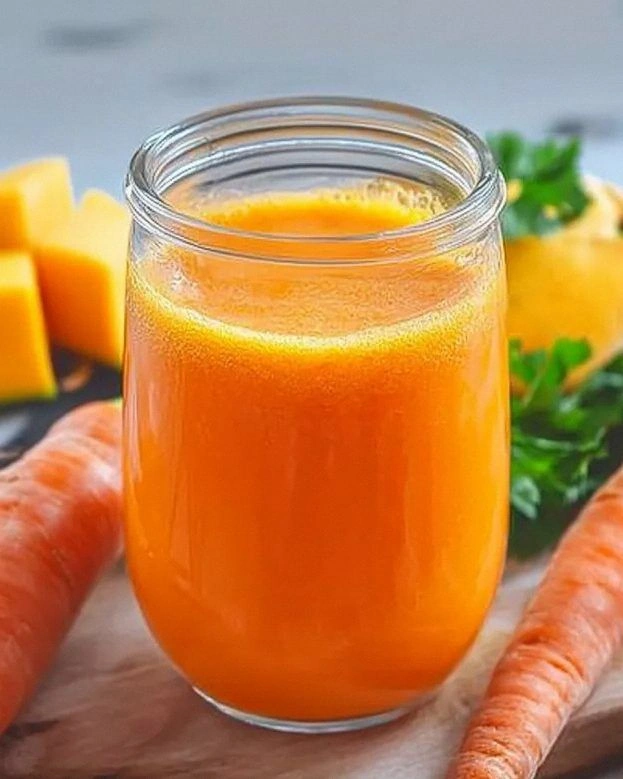
The Method — Step by Step
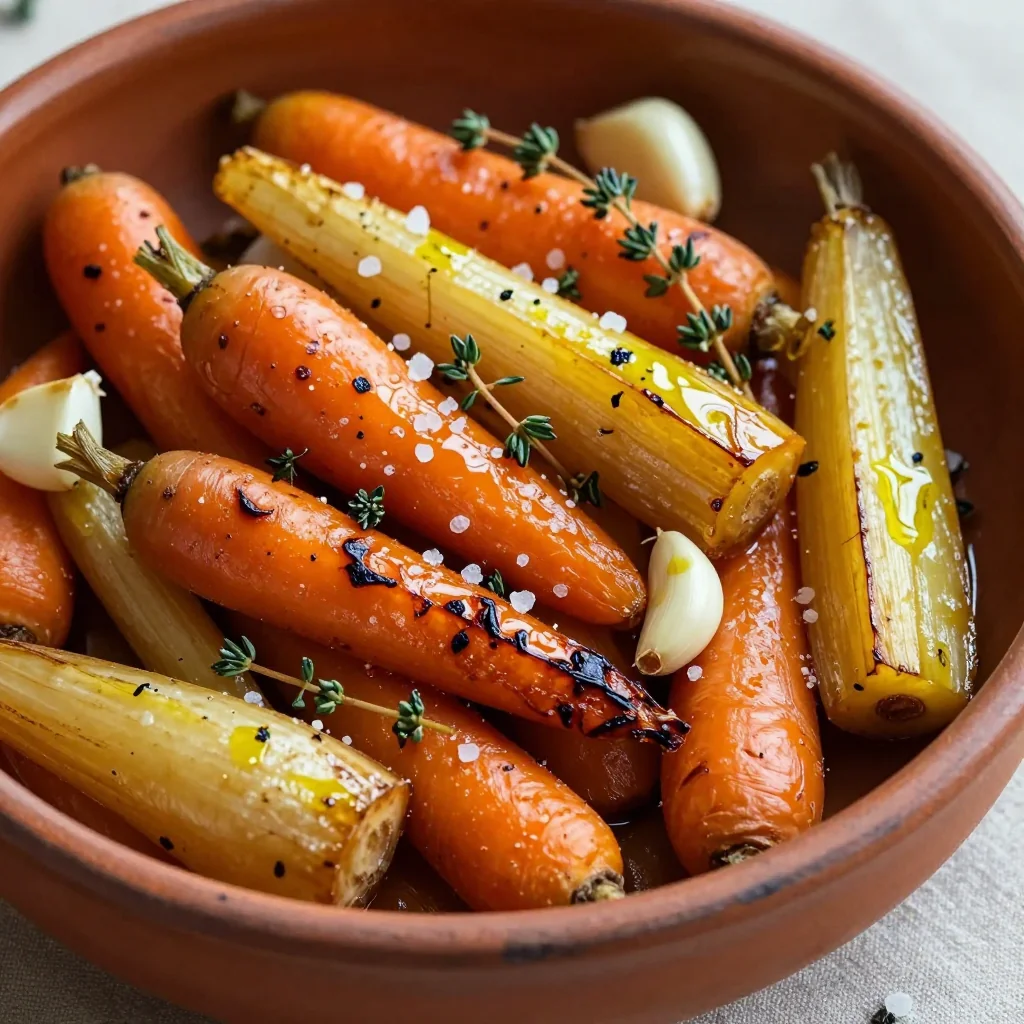
Start by washing the carrots thoroughly under cold water, scrubbing away any dirt. Then, peel them with a vegetable peeler to remove the outer skin, which can sometimes add a bitter note. Cut the carrots into 2‑inch chunks; this size ensures even cooking during the flash‑blanch. Place the carrot pieces into a pot of boiling water and let them dance for exactly 2 minutes—no more, no less. Watch out: Over‑cooking will turn them mushy and sap the bright color.
Watch Out: If you leave the carrots in the water longer than 2 minutes, they’ll lose their snap and become a dull orange, ruining the visual appeal.While the carrots are blanching, peel the mangoes and slice the flesh away from the pit. Aim for mangoes that are soft to the touch; they’ll blend more easily and give the juice a creamy texture. Toss the mango chunks into a bowl of ice water for a quick chill—this prevents the mango from overheating when it meets the hot carrots later.
Kitchen Hack: Freeze the mango chunks the night before; they’ll act as natural ice and keep the juice frosty without diluting flavor.Once the carrots have blanched for 2 minutes, immediately transfer them to a bowl of ice water. This shocking step halts the cooking process, preserving that vibrant orange hue and the crisp bite. Let them sit for 30 seconds, then drain and pat dry with a clean kitchen towel. The carrots should feel cool to the touch but still retain a slight firmness.
Now, gather your blender. Add the blanched carrots, chilled mango chunks, the juice of two fresh oranges, a generous squeeze of lime (about one tablespoon), and the grated ginger. If you love a little extra zing, add a half‑teaspoon more ginger; just remember it can become overpowering fast.
Blend on high speed for 45 seconds to a minute, stopping to scrape down the sides with a spatula. You’re looking for a thick, velvety liquid that swirls in the blender like a tropical storm. The texture should be smooth enough that no carrot fibers or mango fibers remain, yet still have a body that clings to the glass.
With the blender still running, slowly drizzle in the honey (or your chosen sweetener) and a pinch of sea salt. The honey should dissolve completely, creating a glossy sheen on the surface. Taste the juice at this point; you should notice the sweet mango, the earthy carrot, a whisper of ginger heat, and the bright lime lift.
If the juice feels too thick for your liking, add a splash of cold water or a few ice cubes and blend again for 10 seconds. This is the moment of truth—adjust the consistency to your personal preference. Remember, the goal is a drink that feels luxurious but not syrupy.
Finally, pour the juice into chilled glasses, garnish with a thin carrot ribbon or a mango slice on the rim, and serve immediately. The aroma should hit you first—a fragrant blend of citrus, ginger, and sweet fruit—followed by that silky mouthfeel that makes you want to close your eyes and sigh. I’ll be honest — I ate half the batch before anyone else got to try it.
That's it — you did it. But hold on, I've got a few more tricks that'll take this to another level...
Insider Tricks for Flawless Results
The Temperature Rule Nobody Follows
Most people think a cold juice is always better, but the secret is to keep the carrots warm just long enough to release their sugars, then shock them. This contrast of temperatures preserves both flavor and color. I once tried blending hot carrots straight from the pot; the juice turned a dull brown and tasted flat. The flash‑blanch‑then‑ice method is the sweet spot that keeps the juice vibrant and bright.
Why Your Nose Knows Best
Before you even taste the juice, give it a good sniff. If you detect a sharp ginger aroma balanced with citrus, you’re on the right track. If the scent leans too heavily toward raw carrot, you probably need a splash more orange juice or a pinch more lime. Trust your nose; it’s the first line of flavor detection and will save you from a bland sip.
The 5‑Minute Rest That Changes Everything
After blending, let the juice sit for five minutes in the refrigerator. This short rest allows the flavors to meld, much like letting a soup simmer. The result is a smoother, more integrated taste where the ginger’s heat is mellowed and the sweetness is evenly distributed. Skipping this step is like serving a song before the chorus—something’s missing.
Ice Cube Alchemy
Instead of plain ice, use frozen mango or orange juice cubes. As they melt, they enrich the drink rather than dilute it. I tried a batch with regular ice once and the flavor faded quickly; the frozen fruit cubes kept the intensity alive until the last sip.
The Salt Whisper
A pinch of sea salt does more than just season; it activates the natural sugars in the fruit, making them taste sweeter without adding extra sugar. If you’re watching your sodium intake, use just a tiny pinch—enough to feel the difference but not to taste salty. This tiny tweak is the difference between “good” and “hands down the best version you'll ever make at home.”
Creative Twists and Variations
This recipe is a playground. Here are some of my favorite ways to switch things up:
Tropical Turmeric Twist
Add a half‑teaspoon of ground turmeric and a pinch of black pepper. The turmeric gives an earthy depth and a beautiful golden hue, while the pepper activates its health‑boosting properties. Perfect for those who love a subtle, warm spice profile.
Spicy Chili Kick
Drop in a small slice of fresh red chili or a dash of cayenne pepper. The heat pairs surprisingly well with the sweet mango, creating a sweet‑heat balance that will make your taste buds dance. Great for a summer BBQ where you want something refreshing yet exciting.
Green Goddess Version
Swap half of the carrots for a handful of baby spinach and add a splash of coconut water. The spinach adds a mild green flavor and extra nutrients, while coconut water keeps the drink hydrating and slightly sweet. This version is a hit for health‑conscious brunches.
Creamy Coconut Dream
Blend in a quarter cup of coconut milk after the initial blend. The coconut adds a velvety richness that makes the juice feel like a dessert. Top with toasted coconut flakes for a textural contrast.
Berry‑Boosted Burst
Add a cup of frozen mixed berries (strawberries, blueberries, raspberries) to the blender. The berries introduce a tart note and a beautiful ruby swirl, turning the drink into a vibrant party in a glass. Ideal for kids who love bright colors.
Storing and Bringing It Back to Life
Fridge Storage
Transfer the juice into airtight glass jars or bottles and store it in the refrigerator. It will stay fresh for up to 48 hours, though the texture may settle. Give the container a gentle shake before serving to reincorporate any settled fibers.
Freezer Friendly
If you want to keep it longer, pour the juice into freezer‑safe containers, leaving about an inch of headspace for expansion. Freeze for up to 3 months. Thaw overnight in the fridge, then give it a quick blend to restore its silky texture.
Best Reheating Method
When you’re ready to enjoy a frozen batch, place the thawed juice in a saucepan over low heat and add a splash of water—just enough to steam it back to life. Stir gently; avoid boiling, as high heat will destroy the bright flavors and turn the color dull.