I was standing in my kitchen, staring at a pair of branzino fillets that had just come off the freezer, when my friend dared me to turn a simple fish dinner into something that would make us both brag to our friends. I laughed, because I’ve tried that challenge before and ended up with a soggy, flavor‑dead mess. But this time, I decided to treat the fish like a star performer, giving it the spotlight it deserves.
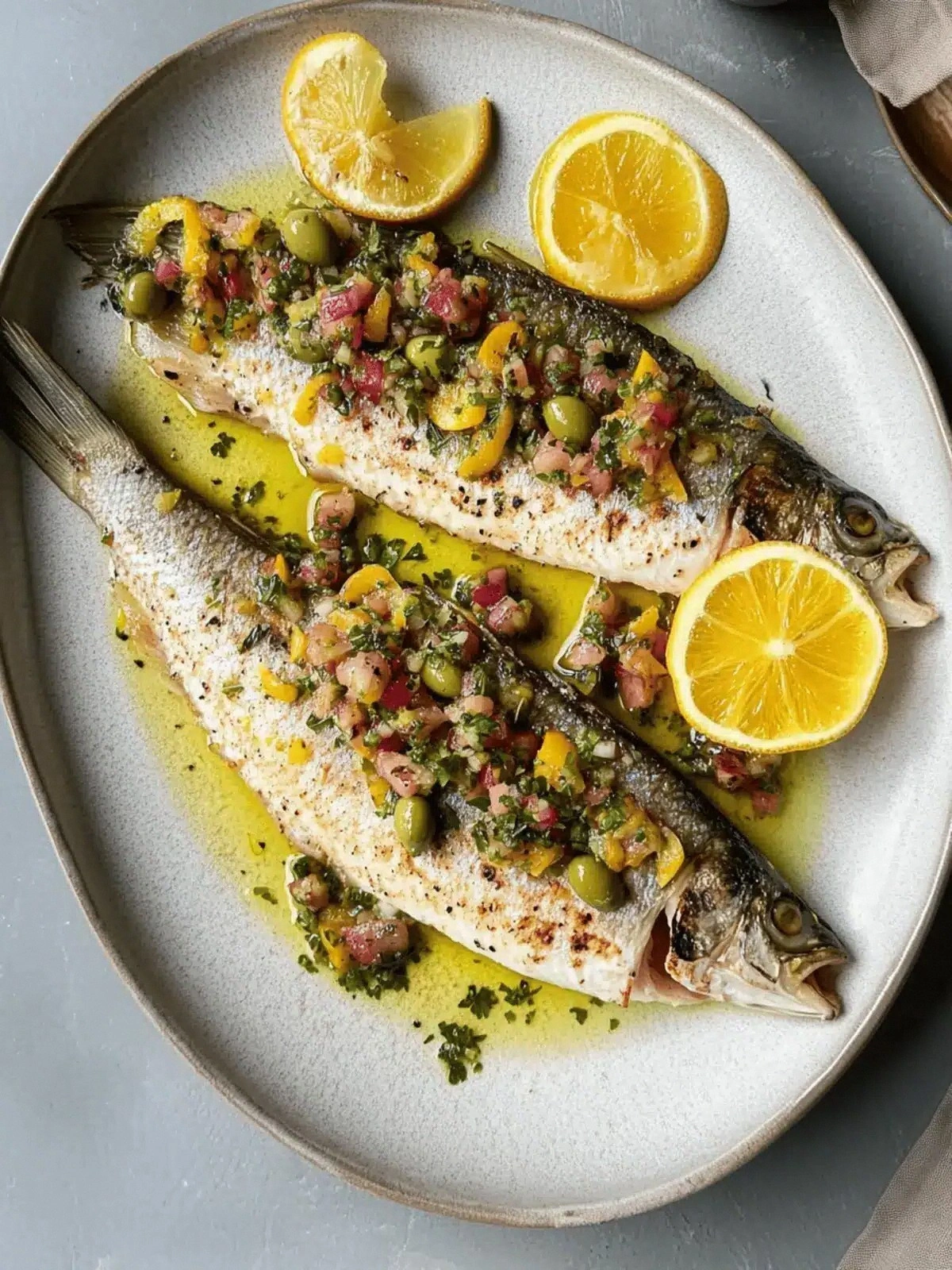
Picture this: a bright, sun‑kissed plate, the aroma of citrus dancing over a bed of green olives, the gentle hiss of olive oil as it meets a hot pan, and the sound of a fillet’s skin crisping into a golden crackle that feels like applause. The texture is a contrast of buttery flesh and a crunchy, almost crunchy, olive garnish. The taste is a bright, zesty punch that lingers on the palate like a well‑played riff.
What makes this version stand out is that it’s not just a fish recipe; it’s an orchestra where every instrument is tuned to perfection. I’m talking about a citrus olive salsa that coats the branzino like a velvet ribbon, a seasoning blend that sings, and a cooking technique that preserves the fish’s delicate moisture. If you’ve ever tried a branzino that’s either undercooked or overcooked, this recipe will change your perception forever.
The secret sauce? A splash of lemon juice, a dusting of garlic powder, and a generous handful of green olives that add a briny, slightly sweet bite. It’s a simple yet bold combination that turns a humble fish into a showstopper. The result is a dish that feels like a culinary triumph even on a busy weeknight.
I dare you to taste this and not go back for seconds. That is my bold claim. The first bite will make you question why you ever settled for anything less. The second bite will make you wonder how you ever lived without this flavor profile.
If you’ve ever struggled to get branzino to cook evenly, you’re not alone—and I’ve got the fix. The trick is in the seasoning and the timing. The next part of this post will walk you through every single step, and by the end, you’ll wonder how you ever made it any other way.
What Makes This Version Stand Out
Flavor: The citrus olive salsa delivers a bright, tangy punch that cuts through the fish’s natural brine, creating a harmonious balance that feels both fresh and indulgent.
Texture: The skin turns crisp to a buttery interior, while the olives provide a subtle crunch that contrasts beautifully with the tender flesh.
Ingredient Quality: Using premium, hand‑picked olives and freshly squeezed citrus juices elevates the dish from ordinary to unforgettable.
Simplicity: Only a handful of ingredients, no fancy equipment, and a straightforward cooking method make this a go‑to for any kitchen.
Crowd Reaction: Friends and family will leave the table asking for the recipe, and you’ll become the culinary hero of the evening.
Make‑Ahead Potential: The salsa can be prepared up to 24 hours in advance, allowing you to focus on the fish right before serving.
Seasonal Flexibility: While citrus is best in spring and summer, the dish works beautifully year‑round, especially when paired with seasonal vegetables.
Health Conscious: With healthy fats from olive oil and a high protein count, this dish satisfies both taste buds and nutritional goals.
Alright, let's break down exactly what goes into this masterpiece…
Inside the Ingredient List
The Flavor Base
Garlic powder and crushed garlic form the aromatic foundation that permeates every bite. The powder offers a subtle, even distribution of garlic flavor, while the fresh garlic adds a punch of immediate aroma when it hits the hot pan. If you skip the powder, the dish will taste flat; if you skip the fresh garlic, you’ll miss that instant, savory kick.
The lemon juice is the star of the show, providing a bright acidity that balances the richness of the olive oil and the briny olives. It also helps to tenderize the fish slightly, keeping it moist and flaky. A good rule of thumb: use freshly squeezed juice for maximum freshness; bottled will feel flat and chemical.
Red pepper flakes add a whisper of heat that lingers without overpowering the citrus. They’re a small addition that makes the dish feel more complex. If you’re heat‑averse, reduce the flakes to a pinch; if you love spice, double it.
The Texture Crew
Olive oil is the medium that carries the flavors and creates the golden skin. Use a high‑smoke point oil like extra‑virgin olive oil for that perfect sear. If you use a lower‑quality oil, the fish may stick and the flavor will be muted.
Parsley adds a fresh, herbal note that brightens the dish and provides a pop of color. It also balances the oiliness with a touch of earthiness. A handful of fresh parsley is best; dried will taste harsh.
The shallot contributes a subtle sweetness that mellows the acidity. When diced finely, it releases a gentle aroma that lingers on the plate. If you’re in a hurry, you can skip it, but the dish will feel a little less layered.
The Unexpected Star
Green olives might seem like a simple garnish, but they bring a briny, slightly bitter contrast that heightens the citrus. Their oil content also helps to keep the fish moist during cooking. If you’re not a fan of olives, substitute capers for a similar brine.
The sliced lemon and orange are not just garnish; they release essential oils that amplify the citrus profile. They also add a decorative splash of color that makes the dish look as good as it tastes.
If you can’t find green olives, a mix of black and green olives works well, providing a richer depth of flavor. Just be sure to rinse them to remove excess salt.
The Final Flourish
A pinch of salt and pepper is essential to bring out the flavors without overwhelming them. Taste as you go; seasoning is a personal touch. If you’re watching sodium, use a low‑sodium olive sauce or reduce the salt accordingly.
The combination of all these elements creates a dish that is bright, complex, and utterly satisfying. Every component has a purpose, and together they form a symphony of flavors.
Everything's prepped? Good. Let's get into the real action…
The Method — Step by Step
- First, bring the branzino fillets to room temperature for about 10 minutes. This helps them cook evenly and prevents a dramatic temperature shock that could cause the flesh to split. While they rest, pat them dry with a paper towel to ensure the skin will crisp.
- In a small bowl, whisk together the olive oil, garlic powder, crushed garlic, lemon juice, grated orange zest, red pepper flakes, salt, and pepper. The mixture should be a glossy, aromatic sauce that coats the surface of the fish. Taste the dressing; if it feels flat, add a splash of lemon juice or a pinch of salt.
- Heat a large non‑stick skillet over medium‑high heat until a few droplets of water sizzle on the surface. This is the moment of truth: the right temperature ensures the skin crisps without burning. If the oil starts to smoke, lower the heat slightly.
- Place the fillets skin side down in the hot skillet. Let them sear undisturbed for 4–5 minutes, or until the skin turns a deep golden brown and releases easily from the pan. The sizzling sound is a cue that you’re on the right track.
- Brush the fillets with the citrus olive salsa, making sure every inch of skin is coated. The sauce will caramelize slightly, adding a glossy sheen and a burst of flavor. If you’re feeling fancy, drizzle a bit of extra olive oil over the top.
- Reduce the heat to medium and add the sliced lemon, orange, green olives, and parsley to the pan. The aromatics will steam in the sauce, infusing the fish with bright, fresh notes. Let everything cook together for 3–4 minutes, or until the fish is opaque and flakes easily.
- Remove the skillet from the heat and let the fillets rest for 2 minutes. This short rest allows the juices to redistribute, keeping the fish moist. During this time, the salsa will thicken slightly, creating a velvety coating.
- Serve each fillet on a warmed plate, spooning the remaining salsa over the top. Garnish with fresh parsley and a wedge of lemon for an extra pop of color and flavor. The dish should look vibrant, with a golden crust and a splash of green.
- If you’re a true food enthusiast, pair this dish with a chilled glass of crisp white wine or a light sparkling water. The acidity in the wine will echo the citrus notes, while the water keeps the palate refreshed.
- Enjoy immediately while the fish is still warm and the salsa is at its peak. The first bite should feel like a bright, zesty burst that lingers, followed by the buttery, flaky texture of the fish.
- That’s it — you did it. But hold on, I’ve got a few more tricks that will take this to another level. Stick around for the insider tips that will elevate every element of this dish.
Insider Tricks for Flawless Results
The Temperature Rule Nobody Follows
Many cooks think medium heat is enough for fish, but branzino thrives on a hotter surface. Aim for a skillet temperature that produces a steady sizzle without smoking. A quick test: sprinkle a pinch of flour in the pan; if it sizzles immediately, you’re ready.
Why Your Nose Knows Best
Before you even season the fish, smell the citrus juices and the olives. A sharp, bright citrus scent is a sign of freshness, while a musty olive aroma indicates older fruit. Trust your nose; it’s the ultimate quality detector.
The 5‑Minute Rest That Changes Everything
After cooking, let the fillets rest for exactly five minutes on a warm plate. This rest period allows the juices to redistribute, preventing the fish from drying out. It also gives the salsa time to thicken into a silky coating.
How to Keep the Skin Crispy on a Low‑Heat Stove
If your stove can’t reach high heat, preheat the skillet for a longer time and use a lid for the first minute of cooking. This traps heat, ensuring the skin crispens even on a lower flame. Just lift the lid after the first minute to let the skin brown.
Fresh vs. Frozen Fillets
Fresh branzino will have a mild, sweet aroma and a firm, translucent flesh. Frozen fillets should be thawed in the fridge overnight and patted dry. The difference in texture is subtle but noticeable; fresh is buttery, while frozen can be slightly denser.
Creative Twists and Variations
This recipe is a playground. Here are some of my favorite ways to switch things up:
Herby Mediterranean Twist
Swap the parsley for fresh oregano and add a splash of feta cheese on top after serving. The salty cheese balances the citrus, and the oregano adds a fragrant depth that transports you to the coast.
Spicy Cajun Kick
Increase the red pepper flakes to a tablespoon and sprinkle a pinch of cayenne pepper. The heat will contrast with the citrus, creating a bold, fiery finish that’s perfect for those who love a punch.
Asian Fusion Flavor
Replace the green olives with sliced cucumber and add a drizzle of soy sauce. The cucumber provides crunch, while the soy adds umami. Finish with a sprinkle of toasted sesame seeds for a nutty aroma.
Roasted Vegetable Pairing
Serve the fish alongside roasted asparagus spears and cherry tomatoes, tossed in olive oil and sea salt. The vegetables add color, texture, and a sweet, caramelized flavor that complements the citrus.
Herb‑Infused Olive Oil
Infuse the olive oil with rosemary and thyme before cooking. The oil will carry those herbal notes into the salsa, giving the dish a deeper, woodsy undertone that pairs wonderfully with the fish.
Sweet & Tangy Glaze
Create a glaze by combining honey, a splash of balsamic vinegar, and the citrus salsa. Brush the glaze over the fillets in the last minute of cooking. The honey adds a caramelized sweetness, while the vinegar sharpens the citrus.
Storing and Bringing It Back to Life
Fridge Storage
Cool the cooked fillets to room temperature, then place them in an airtight container. Store in the refrigerator for up to 2 days. The salsa will thicken slightly, but the flavors remain vibrant.
Freezer Friendly
Wrap each fillet individually in parchment paper and place in a freezer bag. Freeze for up to 2 months. Thaw overnight in the fridge before reheating to preserve texture.
Best Reheating Method
Reheat the fish in a skillet over low heat, adding a splash of water or broth to keep it moist. Cover the pan for a minute to trap steam. Finish with a quick drizzle of olive oil to restore that glossy finish.