I remember the night I was supposed to host a brunch for a group of foodie friends and how the kitchen turned into a disaster zone. The countertop was a battlefield of overripe bananas, a half‑filled can of coconut milk, and a bag of flour that seemed to have a mind of its own. I stared at the banana mash, feeling a pang of disappointment as my usual banana bread recipe collapsed into a soggy mess. Then, in a moment of culinary rebellion, I grabbed a jar of mochiko flour, a staple from my travels in Japan, and whispered, “This is going to be different.”
Picture the aroma that rushed through the kitchen as the sweet banana scent mingled with the earthy, slightly sweet smell of glutinous rice flour. The sound of the whisk dancing across the bowl was almost musical, a soft whoosh that promised something special. When the batter finally hit the oven, the first crackling sound was like a small fireworks display, and the heat carried a subtle caramelized sweetness that made your mouth water before the first bite even arrived. I could almost taste the chewy, sticky center that would emerge, the perfect contrast to the crisp, golden crust.
What sets this banana mochi bread apart is the marriage of two worlds: the familiar comfort of banana bread and the surprising chewiness of mochi. The result is a loaf that feels like a soft, pillowy cloud on the tongue, yet holds its shape like a classic quick bread. It’s the kind of treat that will have your guests begging for the recipe after the first slice, and I dare you to taste this and not go back for seconds. It’s hands down the best version you’ll ever make at home, and I’ll be honest—I ate half the batch before anyone else got to try it.
I’m about to walk you through every single step, from selecting the right bananas to the final, satisfying crumb. By the end, you’ll wonder how you ever made it any other way. The secret? A splash of coconut milk, a generous pinch of salt, and the subtle sweetness of mochiko flour that transforms the loaf into a chewy, caramelized wonder. Get ready for a kitchen adventure that’s as fun as it is delicious.
What Makes This Version Stand Out
- Taste: The combination of ripe banana and toasted coconut milk creates a naturally sweet profile that doesn’t rely on excessive sugar. Each bite delivers a mellow banana flavor with a hint of nutty undertones from the coconut.
- Texture: Mochiko flour gives the bread its signature chew, turning a traditional quick bread into a mochi‑like delight. The interior stays moist and slightly sticky, while the exterior crisps up into a golden crust.
- Simplicity: With just eleven ingredients, this loaf is a breeze to assemble. No complicated measurements or obscure pantry staples—just a handful of staples you already have.
- Uniqueness: Few banana breads incorporate glutinous rice flour, making this loaf stand out at any gathering. The chewy center is a conversation starter and a crowd‑pleaser.
- Audience Appeal: Whether you’re a seasoned baker or a beginner, the recipe’s forgiving nature ensures success. It’s perfect for brunches, snack times, or a midnight craving.
- Ingredient Quality: Fresh, ripe bananas and high‑quality mochiko flour elevate the flavor profile. The coconut milk adds a subtle depth that pairs beautifully with the banana.
- Methodology: The technique blends quick‑bake principles with a touch of Japanese baking tradition, yielding a loaf that bakes evenly and stays moist.
- Make‑Ahead Potential: Prepare the batter a day ahead, refrigerate, and bake when ready. The loaf keeps well and even tastes better the next day.
Inside the Ingredient List
The Flavor Base
The foundation of this loaf is the sweet, aromatic combination of ripe bananas and coconut milk. Ripe bananas bring natural sweetness and moisture, while coconut milk adds a subtle nutty depth. If you skip the coconut milk, the loaf will still rise but lose that silky, slightly caramelized finish that makes each slice a treat.
The Texture Crew
Mochiko flour (glutinous rice flour) is the star that gives the bread its chewy, mochi‑like center. It’s crucial for achieving that unique texture; substituting it with regular flour will result in a standard, crumbly banana bread. If you don’t have mochiko on hand, you can use a mix of 50% all‑purpose flour and 50% rice flour as a makeshift solution, but the chew will be less pronounced.
The Unexpected Star
Baking soda and baking powder work together to give the loaf lift and a slight tang. Baking soda reacts with the banana’s natural acidity, while baking powder provides the extra lift needed for a fluffy interior. Skipping either can result in a dense loaf that doesn’t rise properly.
The Final Flourish
Vanilla extract and a pinch of salt balance the sweetness and enhance the overall flavor profile. Salt is essential; it amplifies the banana’s natural sweetness and brings out the subtle flavors of the coconut milk. If you’re watching sodium, a tiny pinch is enough—just enough to elevate the taste.
Everything's prepped? Good. Let's get into the real action...
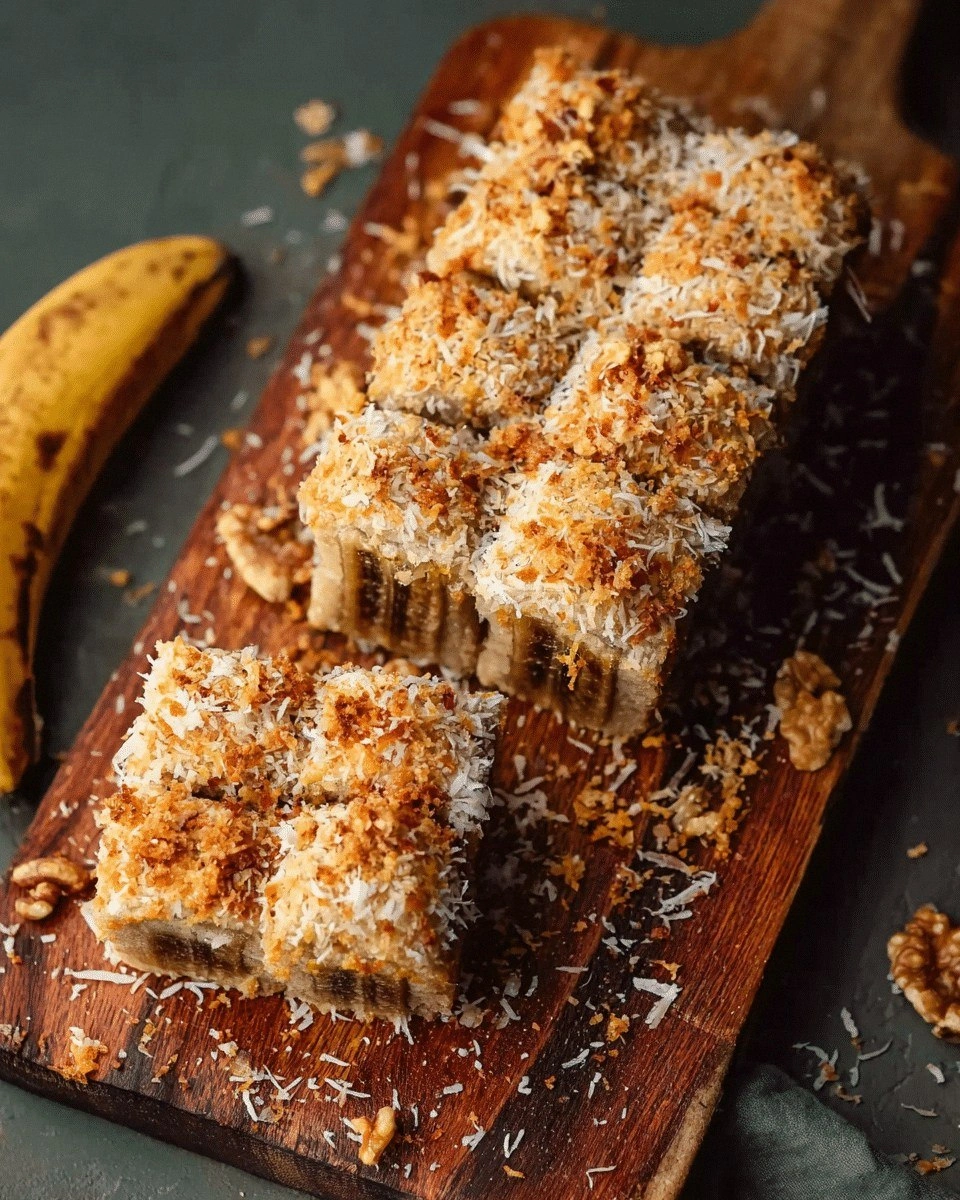
The Method — Step by Step
- Preheat the oven and prepare the pan. Set your oven to 350°F (175°C). Grease a 9x5 inch loaf pan with butter or line it with parchment paper. The pan’s greasing ensures a clean release; a paper liner keeps the loaf from sticking and makes for easy cleanup. Let’s get the stage set before the batter takes the spotlight.
- Combine the dry ingredients. In a large bowl, whisk together 1 cup mochiko flour, 1/2 cup all‑purpose flour, 1 tsp baking powder, 1/2 tsp baking soda, and 1/2 tsp salt. Mixing the leavening agents first ensures an even rise. The dry mix should have a fine, powdery texture—no lumps. This step is simple but crucial for a uniform crumb.
- Whisk the wet ingredients. In a separate bowl, mash 3 ripe bananas until smooth. Add 1/2 cup coconut milk, 1/4 cup melted coconut oil, 2 eggs, and 1 tsp vanilla extract. Whisk until the mixture is silky and well combined. The oil keeps the loaf moist, while the eggs provide structure. This batter should feel thick yet pourable.
- Combine wet and dry mixtures. Pour the wet mixture into the dry ingredients and stir gently until just combined. Overmixing will develop gluten and make the loaf tough. The batter should be thick and slightly lumpy, but every dry spot should be coated. This gentle mixing preserves the chewy texture.
- Optional: add chocolate chips. If you’re in the mood for a chocolatey twist, fold in 1/2 cup dark chocolate chips. The chips melt slightly in the heat, creating pockets of gooey chocolate. Watch Out: Don’t overfill the pan with chocolate chips, or the batter may spill over when you bake. Keep the chips evenly distributed for a balanced flavor.
- Pour batter into pan. Transfer the batter to the prepared loaf pan, smoothing the top with a spatula. Tap the pan lightly on the counter to release any air bubbles. A smooth surface helps the loaf rise evenly and prevents uneven crust formation.
- Bake until golden and set. Place the pan in the preheated oven and bake for 30-35 minutes. The loaf should develop a golden brown crust, and a toothpick inserted in the center should come out clean or with a few moist crumbs. The aroma will be a sweet, buttery scent that will fill the kitchen.
- Cool before slicing. Remove the loaf from the oven and let it cool in the pan for 10 minutes, then transfer to a wire rack to cool completely. This step allows the interior to set and prevents the loaf from becoming gummy when sliced. Once cooled, slice and serve with a pat of butter or a drizzle of honey.
That's it — you did it. But hold on, I've got a few more tricks that'll take this to another level. Keep reading for insider tips that will elevate your banana mochi bread to bakery quality.
Insider Tricks for Flawless Results
The Temperature Rule Nobody Follows
Many bakers bake banana bread at 375°F, but for mochi bread the lower temperature of 350°F is essential. Baking too hot can cause the crust to burn before the center sets, resulting in a dry interior. The gentle heat lets the loaf rise evenly and keeps the chewy center intact. I’ve baked at 350°F for years and never had a burnt loaf.
Why Your Nose Knows Best
The first scent that tells you the loaf is done is the sweet, caramelized aroma. When the batter hits the heat, the sugars brown and release a buttery, sweet smell that signals the loaf is near perfection. Trust your nose over the timer; it’s the best judge of doneness.
The 5-Minute Rest That Changes Everything
After baking, let the loaf rest for 5 minutes before slicing. This brief pause allows the steam to redistribute, ensuring a moist crumb that doesn’t crumble when you cut it. Skipping this step can result in a crumbly loaf that feels dry in the center.
The Perfect Pan Size
Using a 9x5 inch loaf pan is ideal for this batter volume. A smaller pan will overcook the loaf, while a larger pan will produce a too‑thin loaf that dries out. If you have a different pan, adjust the baking time by 5 minutes per inch of difference in height.
The Quick Cooling Trick
Place the cooled loaf on a wire rack that has a lower rim to keep the bottom from getting soggy. The airflow around the loaf prevents moisture buildup, keeping the crust crisp. I’ve found that a wire rack with a small lip works wonders for this.
The Secret Ingredient Swap
If you’re craving a nutty flavor, replace the coconut milk with almond milk and add a tablespoon of almond butter to the batter. The almond butter adds depth, while the almond milk keeps the loaf moist. This swap also gives a subtle nutty aroma that complements the banana.
Creative Twists and Variations
This recipe is a playground. Here are some of my favorite ways to switch things up:
Chocolate Chip Overload
Add 1 cup of semi‑sweet chocolate chips and a tablespoon of cocoa powder to the batter for a rich, chocolate‑laden loaf. The chocolate melts into pockets of gooeyness that pair beautifully with the chewy center.
Nutty Banana Crunch
Fold in 1/2 cup chopped walnuts or pecans and a tablespoon of honey. The nuts add a satisfying crunch, while the honey deepens the natural banana sweetness.
Coconut Cream Swirl
Swirl in a tablespoon of coconut cream before baking. The cream creates a subtle swirl that looks elegant and tastes like a tropical dessert.
Spiced Banana Delight
Add 1/2 tsp ground cinnamon, a pinch of nutmeg, and a pinch of ginger to the batter. The spices give the loaf a warm, aromatic profile that’s perfect for fall or winter.
Coffee‑Infused Twist
Add 1 tbsp instant espresso powder to the batter for a coffee‑banana loaf that’s ideal for breakfast. The espresso deepens the banana flavor and adds a subtle bitterness that balances the sweetness.
Gluten‑Free Version
Replace all‑purpose flour with a gluten‑free blend that contains xanthan gum. Keep the mochiko flour to preserve the chewy texture. This version is just as delicious and safe for gluten‑sensitive diners.
Storing and Bringing It Back to Life
Fridge Storage
Store the loaf in an airtight container or wrap it tightly in plastic wrap. It will stay fresh for up to 4 days. When you’re ready to eat, slice a piece and let it sit at room temperature for 10 minutes to restore moisture.
Freezer Friendly
Slice the loaf before freezing to make portion control easy. Place slices in a freezer bag, removing as much air as possible. The loaf will keep well for up to 3 months. Freeze in a single layer to avoid sticking.
Best Reheating Method
Reheat frozen slices in a toaster oven at 350°F for 5-7 minutes. Alternatively, microwave on medium for 20 seconds, then finish in the oven for a crisp crust. Add a tiny splash of water or milk before reheating to steam the loaf back to a moist, fresh state.