I was in the middle of a late‑night binge‑watching a cooking show when the kitchen alarm went off, and my burnt lasagna was a hot mess. My friend texted me, “You can’t have a good dinner without a little adventure.” I grabbed a pot, a handful of spices, and a bag of pasta that I’d forgotten about, and the rest is history. The sizzling sound of beef browning, the sweet aroma of caramelized onions, and the promise of a creamy, tangy finish all mingled together like a symphony in my kitchen. If you’ve ever stared at a pot of plain pasta and wondered how to make it feel like a passport to the Middle East, stick around.
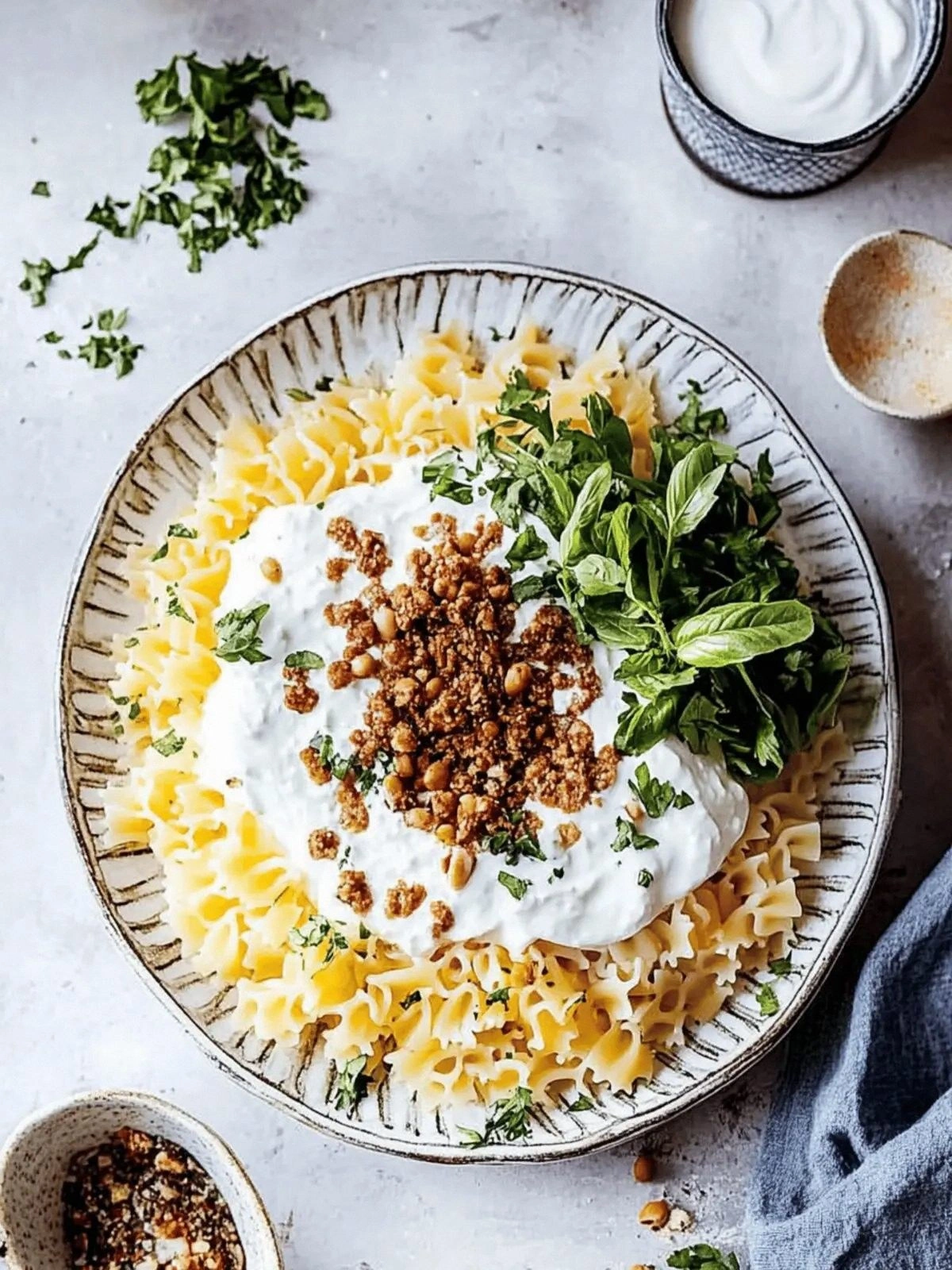
Picture this: a steaming bowl of pasta where each strand is coated in a silky yogurt sauce that feels like a velvety hug. The ground beef is seasoned with allspice, cinnamon, and black pepper, giving it a depth that’s both familiar and exotic. Toasted pine nuts add a crunch that snaps against the smoothness of the sauce, while a splash of lemon juice lifts everything with a bright, citrusy punch. The result? A dish that’s as comforting as it is adventurous, and it’s ready in under an hour. Trust me, I dared you to taste this and not go back for seconds, and you’ll see why.
What makes this version stand out is not just the bold spices, but how each element works in harmony. The yogurt doesn’t just thicken the sauce; it provides a tang that balances the richness of the beef and the heat of the spices. The pine nuts aren’t just garnish; they’re a textural counterpoint that adds a nutty aroma and a satisfying crunch. The use of fresh herbs and mint keeps the dish bright, while the toasted pine nuts give it a celebratory feel. And the best part? It’s so simple that even a beginner can master it, yet it’s sophisticated enough to impress the most discerning palates. Let’s break down exactly what goes into this masterpiece.
I’ve spent years tweaking pasta dishes, and this one has become my go-to comfort meal. The moment the first spoonful hits your tongue, you’ll taste the depth of the spices, the creaminess of the yogurt, and the subtle nuttiness of the pine nuts. It’s like a hug in a bowl, but with a twist of adventure that makes every bite a discovery. And if you’re worried about the complexity, remember that each step is straightforward, with no hidden tricks—just honest, honest cooking. By the end of this guide, you’ll wonder how you ever made pasta any other way.
I’ll walk you through every single step, from the first sizzling of the onions to the final flourish of fresh herbs. The method is designed to be approachable, but with a few clever hacks that elevate the dish. You’ll learn how to get the perfect texture on the pasta, how to balance the spices, and how to make a sauce that coats the noodles like velvet. Along the way, I’ll sprinkle in some insider tips that will save you time and prevent common mishaps. Ready? Let’s dive in.
What Makes This Version Stand Out
- Flavor Depth: The combination of allspice, cinnamon, and black pepper creates a warm, aromatic base that feels both exotic and comforting. The beef absorbs these spices, turning every bite into a savory adventure.
- Texture Play: The creamy yogurt sauce envelops the pasta like velvet, while toasted pine nuts add a satisfying crunch that keeps the dish interesting.
- Quick & Easy: All the steps can be completed in 45 minutes, making it a perfect weeknight dinner that doesn’t compromise on taste.
- Versatile Ingredients: The use of common pantry staples like tomato sauce and plain yogurt means you can whip this up even on a tight budget.
- Make‑Ahead Friendly: The dish can be prepared in advance, and the flavors actually deepen when you let it rest overnight.
- Family‑Friendly: The mild spices and creamy sauce make it a hit with kids and adults alike, turning dinner into a shared experience.
Alright, let's break down exactly what goes into this masterpiece…
Inside the Ingredient List
The Flavor Base
The ground beef is the heart of this dish, absorbing the warm spices and providing a hearty, meaty foundation. It’s seasoned with allspice, cinnamon, and black pepper, creating a flavor profile that’s reminiscent of a slow‑cooked stew but in a fraction of the time. If you’re vegetarian, you can substitute a plant‑based mince that has a similar texture, but keep the spices the same to maintain authenticity. The tomato sauce adds acidity and depth; using a high‑quality sauce can elevate the overall flavor.
A pinch of salt to taste is essential to balance the spices, but be careful not to overdo it, especially if your tomato sauce is already salted. The olive oil not only helps cook the beef but also carries the spices, ensuring they’re evenly distributed. If you’re looking for a smoky twist, add a dash of smoked paprika to the beef mixture.
The Texture Crew
Pasta is the canvas that holds everything together. Using 400 g of Mafalda corta or a similar short pasta shape ensures the noodles can hold the sauce without becoming mushy. Cook the pasta until al dente; this gives it a bite that contrasts nicely with the silky yogurt sauce. If you prefer a gluten‑free version, swap in a gluten‑free pasta of the same shape.
The toasted pine nuts provide a delightful crunch that breaks up the smoothness of the sauce. Toast them in a dry pan until golden, stirring constantly to avoid burning. They also add a nutty aroma that complements the spices. For a budget alternative, you can use chopped walnuts, though the flavor will shift slightly.
The Unexpected Star
Plain full‑fat yogurt is the secret sauce that transforms this dish. It’s thick enough to coat the pasta without being runny, and its tangy flavor balances the richness of the beef and the warmth of the spices. Using full‑fat yogurt gives the sauce a luxurious mouthfeel; if you’re watching calories, a low‑fat version will work but may result in a thinner sauce.
Tahini adds a subtle, nutty undertone that deepens the sauce’s complexity. A half cup of tahini is enough to enrich the yogurt without overpowering it. If you’re allergic to sesame, you can substitute with a tablespoon of almond butter, but keep in mind the flavor will change.
The Final Flourish
Fresh herbs and mint are added at the end to brighten the dish and provide a fresh contrast to the warm spices. A handful of chopped parsley or cilantro gives a burst of color and a clean finish. The lemon juice is a crucial component; it brightens the sauce, cuts through the richness, and adds a subtle citrusy note that lifts the entire dish.
If you’re feeling adventurous, add a pinch of crushed red pepper for a gentle heat that doesn’t overwhelm the other flavors. Remember to taste the sauce before adding the herbs and lemon; you want the flavors to be balanced and not too acidic.
Everything’s prepped? Good. Let’s get into the real action…
The Method — Step by Step
- Step 1: Boil the Pasta Bring a large pot of salted water to a rolling boil. Add the 400 g of pasta and cook until al dente, about 8–10 minutes. Drain, reserving a cup of pasta water for later, and set aside. The pasta should be firm to the bite, not mushy, because it will absorb the sauce later. If you’re using a different pasta shape, adjust the cooking time accordingly.
- Step 2: Sauté the Onions While the pasta cooks, heat 2 tablespoons of olive oil in a large skillet over medium heat. Add the chopped onions and a pinch of salt, stirring until they soften and turn translucent, about 4–5 minutes. The onions should be caramelized, not browned, to keep the flavor sweet. This step is crucial for building the base of the sauce. If you’re short on time, you can use pre‑sliced onions.
- Step 3: Brown the Beef Increase the heat to medium‑high and add the 700 g of ground beef to the skillet. Break it up with a spoon and cook until it’s fully browned and no longer pink, about 7–8 minutes. Season with 2 teaspoons of allspice, 1 teaspoon of cinnamon, and 1 teaspoon of black pepper. The spices should sizzle and release their aroma, indicating they’re ready to infuse the meat.
- Step 4: Add Tomato Sauce Stir in 5 tablespoons of tomato sauce, letting it mingle with the beef and onions. Cook for another 3 minutes, allowing the sauce to thicken slightly. The tomato sauce adds acidity and depth; if you prefer a thicker sauce, let it reduce for an extra minute. Keep the mixture moving to prevent sticking.
- Step 5: Mix in Yogurt and Tahini Reduce the heat to low and whisk in the 2.5 cups of plain full‑fat yogurt and ½ cup of tahini. Stir until the mixture is smooth and creamy, about 2 minutes. The yogurt should coat the beef and onions, creating a rich base for the pasta. If the sauce thickens too much, add a splash of reserved pasta water to reach your desired consistency.
- Step 6: Toss the Pasta Add the drained pasta to the skillet, tossing to coat each strand in the sauce. Cook for an additional 2 minutes, letting the pasta absorb the flavors. The pasta should be glossy and coated, not clumpy. If it looks dry, add a bit more pasta water to loosen it.
- Step 7: Finish with Herbs and Lemon Remove the skillet from the heat. Stir in 4 teaspoons of dried mint, a squeeze of lemon juice to taste, and a handful of fresh herbs (parsley or cilantro). The lemon juice brightens the dish, while the herbs add a fresh, aromatic finish. Taste and adjust seasoning if needed.
- Step 8: Serve and Garnish Transfer the pasta to a serving dish. Sprinkle toasted pine nuts on top for crunch and a nutty aroma. A final drizzle of olive oil adds sheen and richness. Serve immediately with warm flatbread or a side salad. The dish should look vibrant, with a glossy sauce and a pop of green from the herbs.
That’s it — you did it. But hold on, I've got a few more tricks that'll take this to another level…
Insider Tricks for Flawless Results
The Temperature Rule Nobody Follows
Many cooks think you can just throw everything in a pan and call it a day, but the devil is in the heat. Start with medium heat when browning the beef; this ensures a caramelized crust that locks in flavor. Once the beef is browned, lower the heat to medium‑low before adding yogurt to prevent curdling. A consistent, moderate temperature keeps the sauce silky and the spices aromatic. If you’re using a gas stove, keep an eye on the flame; too high and you’ll burn the onions.
Why Your Nose Knows Best
Before you taste the sauce, pause and inhale. The aroma of cumin, cinnamon, and allspice should mingle with the tang of yogurt. If the smell feels off or too sharp, adjust the seasoning. Your nose is a reliable indicator of balance; it tells you when the dish needs a touch of salt or a splash of lemon. Trust that instinct, and you’ll avoid over‑seasoning.
The 5-Minute Rest That Changes Everything
After tossing the pasta in the sauce, let it rest for five minutes before serving. This brief pause allows the noodles to absorb the flavors fully, resulting in a more cohesive dish. The rest also lets the sauce thicken slightly, giving it a richer mouthfeel. If you’re in a rush, skip it, but the flavor difference is noticeable. Think of it as a short meditation for your taste buds.
The Secret to Perfectly Toasted Pine Nuts
Toast pine nuts in a dry skillet over medium heat, stirring constantly. They should turn a golden brown in about 3–4 minutes. Watch closely; they can burn quickly. A gentle, even heat ensures a crunchy, nutty flavor without bitterness. If you prefer a milder nutty taste, toast them just until they start to turn golden, then remove them from the heat.
The Quick Lemon Boost
Squeeze fresh lemon juice just before serving to keep the acidity bright and fresh. If you use bottled lemon juice, add it early in the cooking process so it blends with the spices. The lemon juice brightens the dish and cuts through the richness of the yogurt and beef. A small splash is enough; you don’t want to overwhelm the other flavors.
Creative Twists and Variations
This recipe is a playground. Here are some of my favorite ways to switch things up:
Spicy Chickpea Edition
Replace the beef with a can of chickpeas for a vegetarian option. Cook the chickpeas with the onions and spices until they’re slightly caramelized. The chickpeas absorb the spices well, giving a hearty, protein‑rich dish. Add a pinch of cayenne for heat, and you’ll have a spicy, flavorful alternative.
Mushroom & Spinach Variation
Sauté sliced mushrooms and spinach with the onions before adding the beef. The mushrooms add umami, while the spinach provides a fresh green note. This version is lighter and works well in the spring or summer. Keep the rest of the recipe unchanged for a delicious twist.
Lemon‑Tahini Drizzle
Whisk extra tahini with lemon juice and a splash of water to create a silky drizzle. Drizzle this over the finished pasta for an extra burst of nutty flavor. The drizzle adds a glossy finish and a subtle tang that complements the yogurt sauce.
Herb‑Infused Olive Oil
Infuse olive oil with fresh herbs like rosemary or thyme before adding it to the skillet. The herb‑infused oil adds a fragrant depth to the sauce. Use a small amount to keep the flavor subtle. This trick elevates the dish to a more sophisticated level.
Coconut Milk Swap
Replace the yogurt with coconut milk for a tropical twist. The coconut milk gives a creamy, slightly sweet flavor that pairs well with the spices. Adjust the salt and lemon to balance the sweetness. This variation is perfect for a summer dinner.
Baked Version
Transfer the pasta and sauce to a baking dish, top with shredded cheese, and bake at 180°C for 15 minutes. The cheese melts into a golden crust, adding a comforting, cheesy layer. This baked version is great for a family dinner and works well on a busy weeknight.
Storing and Bringing It Back to Life
Fridge Storage
Store the pasta in an airtight container in the refrigerator for up to 3 days. The yogurt sauce may thicken slightly; stir in a splash of milk or water before reheating to restore its silky texture. Keep the pine nuts separate to maintain their crunch. When reheating, do so gently over low heat, stirring frequently.
Freezer Friendly
To freeze, place the pasta and sauce in a freezer‑safe container, leaving a little headspace. Freeze for up to 2 months. Thaw overnight in the refrigerator before reheating. Add a tablespoon of water or milk to loosen the sauce, then reheat on the stove or in the microwave, stirring until hot.
Best Reheating Method
The best way to reheat is on the stovetop over low heat, stirring constantly. Add a splash of water or milk to keep the sauce from drying out. Heat until the dish is steaming hot, about 5–7 minutes. The result is a dish that tastes almost as fresh as when it was first made.